
Plants
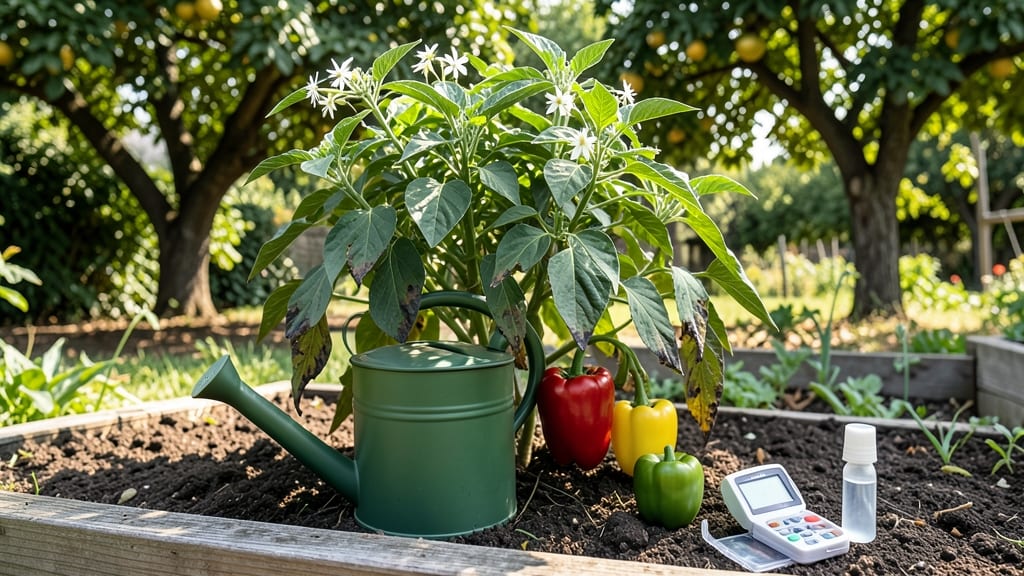
Pepper plants with black leaves mean one thing: fungal trouble is already brewing. 🌱 I’ve seen this happen after just one heavy watering session in humid weather, and it’s a race against time to save your plants.
The black spots start small but spread fast, turning leaves crispy and ruining your harvest if you don’t act quickly.
Most cases stem from too much moisture—whether from overwatering, poor drainage, or soggy soil. Fungal diseases like black mold thrive in damp conditions, and peppers, with their broad leaves, are especially vulnerable.
The good news? This isn’t always a death sentence. Catching it early means you can still save your plants with the right steps.
Start by pruning infected leaves immediately (don’t compost them!) and improve airflow around the plants. A copper fungicide spray or baking soda solution (1 teaspoon per quart of water) can stop the spread.
For severe cases, switch to drip irrigation or move pots to a shadier spot until the leaves dry out.
Prevention is easier than cleanup: water at the base in the morning, avoid overhead sprinklers, and space plants so they get good airflow. If the black leaves keep coming back after a week, your soil might need a fungicide treatment or even a replant.
But with quick action, your peppers can bounce back stronger than ever.
Root Causes of Darkened Foliage
When your pepper plants start showing black leaves, it’s often a cry for help from the plant itself. Understanding the why behind this distress signal is the first step to saving your harvest.
Below, we break down the most common culprits—each with a clear scientific explanation and actionable insights to help you diagnose the issue accurately.
Black leaves on pepper plants are frequently tied to waterlogged roots, which disrupt the plant’s ability to absorb oxygen. When soil stays soggy for too long, beneficial microbes suffocate, and harmful pathogens like Phytophthora (a water mold) thrive. This leads to:
- Root rot: Dark, mushy roots cut off nutrient flow, causing leaves to wilt and turn black.
- Fungal infections: Excess moisture creates a damp, humid environment perfect for fungi like Botrytis, which spreads to leaves via spores.
- Nutrient starvation: Waterlogged soil locks out oxygen, preventing roots from accessing nitrogen, phosphorus, and potassium—essential for leaf health.
💡 Pro Tip: Stick your finger 1-2 inches into the soil after watering. If it’s damp, wait. Pepper plants prefer soil that’s dry to the touch at the top before the next watering. Use containers with drainage holes or raised beds to prevent pooling.
Pepper plants (Capsicum annuum) are tropical heat-lovers and struggle when temperatures dip below 50°F (10°C). Cold stress triggers:
- Cell membrane damage: Cold weather causes water in leaf cells to crystallize, rupturing cell walls and leading to blackened, crispy edges.
- Reduced photosynthesis: Chilly temps slow down chlorophyll production, turning leaves dull and eventually black as they die.
- Fungal susceptibility: Cold, damp conditions weaken plant defenses, making them vulnerable to Alternaria or Septoria leaf spots.
🌡️ Quick Fix: Move potted peppers indoors or to a greenhouse if nighttime temps drop. Use row covers or mulch to insulate soil and roots. Avoid placing plants near drafty windows or AC vents.
Fungi like Phytophthora, Fusarium, and Pythium are the top villains behind blackened pepper leaves. These pathogens spread through:
- Contaminated soil or tools: Fungal spores hitchhike on gardening gloves, shovels, or even water from a previously infected plant.
- High humidity: Fungi thrive in environments with >75% humidity and poor airflow, turning leaves black with tar spots or moldy patches.
- Weakened plants: Stress from overwatering, nutrient deficiencies, or pests makes peppers an easy target.
🔍 How to Spot It:
Symptom
Likely Culprit
Black, greasy-looking spots that spread
Phytophthora (water mold)
Yellow halos around black spots
Alternaria or Septoria leaf spot
Black, powdery growth on leaves
Botrytis (gray mold)
✨ Prevention: Space plants 18-24 inches apart for airflow, avoid overhead watering, and sterilize tools with a 10% bleach solution. Apply copper fungicide preventatively if your area has a history of fungal issues.
Too much of a good thing—like synthetic fertilizers or salt buildup—can scorch pepper leaves, turning them black or brown. Here’s how it happens:
- Salt accumulation: Over-fertilizing (especially with high-nitrogen or high-salt fertilizers) raises soil salinity, preventing roots from absorbing water. Leaves crisp and blacken as they dehydrate.
- pH imbalance: Fertilizers can acidify soil (pH < 5.5), locking out nutrients like phosphorus and magnesium, which are critical for leaf health.
- Direct contact burns: Granular fertilizers or herbicides splashing on leaves can cause chemical burns, leaving blackened, necrotic patches.
💡 Fix It Fast:
- Flush the soil with water (pH-neutral) to leach out excess salts.
- Test soil pH and amend with lime (to raise pH) or sulfur (to lower it) if needed.
- Switch to organic, slow-release fertilizers like compost or worm castings.
Now that you know the why, the next step is identifying the fix for your pepper plants. Each cause requires a targeted approach—so grab your gloves and let’s get to work!
Quick fixes for pepper plant leaf issues
Reviving your pepper plants from blackened leaves starts with identifying the root cause—and then taking action. Below, we’ve mapped out practical, step-by-step solutions for the most common culprits, along with prevention tips to keep your plants thriving.
No green thumb? No problem. These fixes are designed for gardeners of all skill levels!
Fix:
- 🔥 Prune the Problem Areas
- Use sterilized scissors (wipe with rubbing alcohol) to trim off blackened or yellowing leaves—don’t leave them near the plant, as they can spread spores.
- Pro Tip: 💡 Remove leaves before they fall off naturally to stop the infection from spreading.
- 🌡️ Boost Airflow & Reduce Humidity
- Space plants 12–18 inches apart to improve airflow (fungi love stagnant, damp air).
- If humidity is high (common in greenhouses or rainy climates), use a fan on low for 1–2 hours daily or add a dehumidifier near the plants.
- 🍄 Apply Fungicide (Natural or Store-Bought) - DIY Spray: Mix 1 tsp baking soda + 1 tbsp vegetable oil + 1 quart water in a spray bottle.
Spray early morning (avoid direct sunlight to prevent leaf burn). - Store-Bought Option: Use a copper fungicide (like Bonide Copper Fungicide) for severe cases. Follow label instructions—reapply every 7–10 days until new growth appears.
- 🌱 Strengthen the Plant’s Defenses
- Fertilize lightly with a balanced, organic fertilizer (like fish emulsion) to encourage healthy growth. Avoid over-fertilizing, which weakens plants.
Prevention: ✨ Water at the base (never overhead) to keep leaves dry. ✨ Rotate plants every few weeks for even sunlight exposure. ✨ Clean up debris (fallen leaves, mulch) around the base regularly.
Fix:
- ⏰ Check the Soil Moisture
- Stick your finger 1–2 inches into the soil. If it’s soggy, hold off on watering. Pepper plants prefer slightly dry soil between waterings.
- 🚰 Adjust Your Watering Routine
- Water deeply but infrequently—aim for 1–1.5 inches per week (including rain).
- Use pots with drainage holes if growing in containers, and empty saucers after watering to prevent root rot.
- 🔄 Improve Soil Drainage
- If soil is compacted, amend with perlite or coarse sand (1 part perlite to 3 parts soil).
- For container plants, repot into a mix with 30% compost and 70% potting soil.
Prevention: 💡 Group plants together to create a microclimate that retains moisture more efficiently. 💡 Mulch around the base (with straw or shredded leaves) to regulate soil temperature and reduce evaporation.
Fix:
- 🌞 Move to the Right Spot
- Pepper plants need 6–8 hours of sunlight daily. If leaves are blackening in direct midday sun, provide light shade (like a sheer curtain) during peak hours (11 AM–3 PM).
- 🌡️ Protect from Temperature Swings
- Ideal range: 70–85°F (21–29°C). If nights drop below 50°F (10°C), cover plants with a frost blanket or move them indoors (near a sunny window).
- 🍃 Trim Damaged Leaves
- Remove crispy or blackened leaves from sunburn to help the plant redirect energy to healthy growth.
Prevention: ✨ Hardening off seedlings gradually if moving them outdoors (acclimate over 7–10 days). ✨ Use reflective mulch (like white plastic) to reduce soil heat in extreme climates.
Fix:
- 🔍 Inspect for Pests
- Check undersides of leaves for tiny bugs, webbing, or sticky residue (honeydew). Common culprits:
- Aphids (tiny green/black bugs)
- Spider mites (tiny red/yellow dots, webbing)
- Check undersides of leaves for tiny bugs, webbing, or sticky residue (honeydew). Common culprits:
- 🚿 Blast Off Pests
- Spray with water (use a hose nozzle on gentle setting) to dislodge pests.
- Neem oil spray (1 tsp neem oil + 1 tsp mild soap + 1 quart water) applied every 5–7 days until pests vanish.
- 🐝 Introduce Beneficial Insects
- Release ladybugs or lacewings (available at garden centers) to eat aphids naturally.
Prevention: 💡 Inspect new plants before bringing them indoors or into the garden. 💡 Avoid over-fertilizing with nitrogen, which attracts soft-bodied pests like aphids.
Final Reminder: 🌱 Patience is key! Some fixes (like fungicide treatments) take 1–2 weeks to show results. Monitor your plants daily and adjust care as needed. With the right approach, your pepper plants will bounce back—and you’ll be harvesting juicy, healthy peppers in no time! 🌶️💚
Frequently asked questions
Why do my pepper plant leaves turn black overnight?
Black leaves appearing suddenly usually mean fungal infection or cold stress. Fungi like Botrytis spread rapidly in humid conditions, while sudden temperature drops below 50°F (10°C) can cause cell damage. Check for black spots with yellow halos or powdery growth—these are classic fungal signs. Move plants to warmer conditions immediately and prune affected leaves.
Can I still save my pepper plant if half the leaves are black?
Yes! With quick action, you can often revive your plant. Start by removing all blackened leaves (don’t compost them!) and improve airflow by spacing plants 18-24 inches apart. Apply a copper fungicide or baking soda spray (1 tsp baking soda + 1 tbsp oil per quart of water) every 7 days. If root rot is suspected, repot in fresh, well-draining soil.
What’s the difference between black leaves from fungus vs. overwatering?
Fungal black spots often have yellow halos or powdery growth, while overwatering causes uniform blackening with mushy stems. Stick your finger 1-2 inches into the soil—if it’s damp, you’re overwatering. Fungal issues also spread to multiple leaves, whereas overwatering affects the whole plant. Improve drainage immediately if soil stays soggy.
Will black leaves affect my pepper harvest?
Severely affected plants may produce fewer peppers, but healthy stems can still bear fruit. Focus on saving the plant first—prune black leaves, improve airflow, and treat with fungicide. If only a few leaves are black, your harvest should recover. For container plants, consider repotting in fresh soil if root health is compromised.
How do I prevent black leaves next season?
Start with well-draining soil (mix in perlite or sand) and sterilized pots (soak in 10% bleach solution). Space plants for airflow, water at the base in the morning, and avoid overhead sprinklers. Use drip irrigation and mulch with straw to regulate moisture. Rotate crops annually to prevent soil-borne fungi buildup.