
Plants
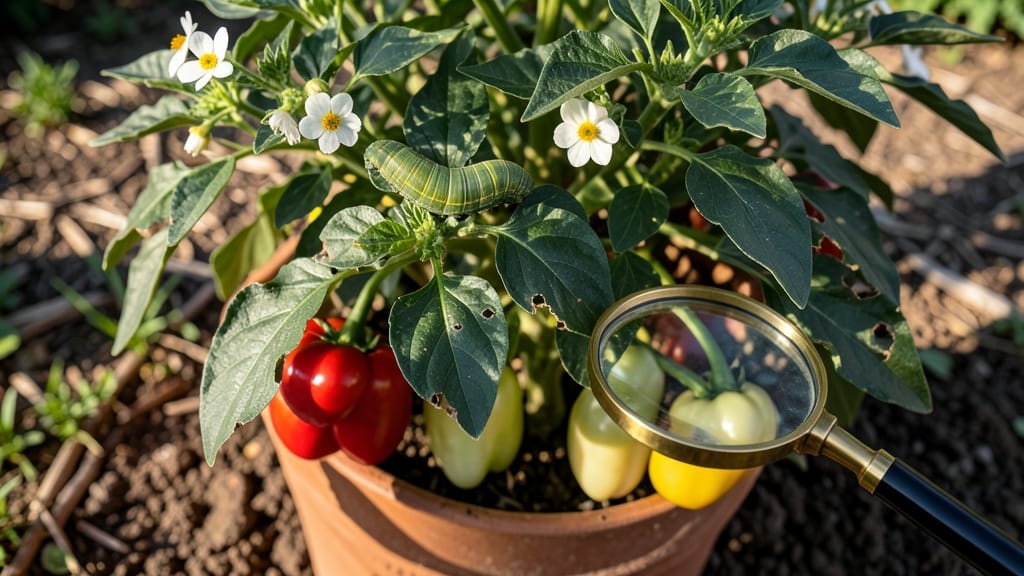
Your pepper plants’ leaves shouldn’t look like Swiss cheese—those holes mean something’s attacking them, and I’ve got the organic fixes you need. 🌿 The most common culprits are spider mites, flea beetles, or even fungal spots, and each one leaves a different kind of damage.
The good news? You can stop the destruction without harsh chemicals.
Spider mites spin tiny webs and leave stippled holes, while flea beetles chew jagged edges. Fungal spots appear as brown, water-soaked patches. I’ve battled all three in my garden, and the key is acting fast—once the pests or disease take hold, they spread like wildfire.
A simple neem oil spray or homemade garlic solution can turn things around in days.
By the time you’re done, your plants will be back to thriving with fewer holes and healthier foliage. The secret is a mix of prevention (row covers, regular inspections) and quick action when you spot the first signs.
Even if your peppers are already looking rough, they’ll bounce back with the right care.
This works for all pepper varieties—jalapeños, bell peppers, even chiles—and the same fixes apply to tomatoes and eggplants too. Let’s get those leaves looking whole again!
Root Causes Of Leaf Damage
Understanding why your pepper plants develop holes in their leaves is the first step to saving them. These issues often stem from a mix of environmental stressors, pests, and diseases. Let’s break down the most common culprits with clear, actionable science behind each.
Spider mites are microscopic pests that thrive in dry, warm conditions. These arachnids (yes, they’re related to spiders!) use their needle-like mouthparts to pierce plant cells and suck out sap.
As they feed, they leave behind tiny, stippled holes—often clustered on the undersides of leaves. Over time, severe infestations can cause leaves to turn yellow, crisp, or fall off entirely.
Why it happens:
- Dry air reduces plant stress hormones (like jasmonic acid), making pepper plants more vulnerable.
- High temperatures (above 85°F) speed up mite reproduction, leading to explosive outbreaks.
- Low humidity weakens plant defenses, allowing mites to multiply unchecked.
🔍 Look for: Fine webbing on leaves, stippled or silvered spots, and a general "dusty" appearance.
Fungal diseases like anthracnose and Alternaria leaf spot create irregular holes in pepper leaves, often surrounded by yellow halos. These pathogens thrive in warm, moist conditions and enter plants through wounds (like insect bites) or natural openings (stomata).
Once inside, they release enzymes that break down leaf tissue, creating dead zones that fall out, leaving behind ragged holes.
Why it happens:
- Overhead watering keeps leaves damp for long periods, creating the perfect fungal buffet.
- Poor airflow (crowded plants or dense foliage) traps moisture and spores.
- Stress from over-fertilization weakens cell walls, making them easier targets.
🔍 Look for: Dark, sunken spots with concentric rings, often on older leaves first.
While spider mites sip sap, aphids and caterpillars take larger, more aggressive bites. Aphids cluster on new growth and leave behind jagged holes as they feed, while caterpillars (like tomato hornworms) can devour entire leaves overnight.
Both pests also excrete honeydew, which attracts sooty mold—a secondary problem that further weakens the plant.
Why it happens:
- Lack of beneficial predators (like ladybugs or lacewings) allows pest populations to explode.
- Overuse of broad-spectrum pesticides kills natural enemies, leaving pests unchecked.
- Young, tender leaves are especially attractive to chewing insects.
🔍 Look for: Uneven holes, frass (insect droppings), or wilted, skeletonized leaves.
Extreme heat or inconsistent watering can cause physiological leaf damage, mimicking pest or disease symptoms. When pepper plants experience water stress (either drought or overwatering), cells can’t maintain their structure, leading to necrotic spots that eventually fall out.
High temperatures also accelerate transpiration, causing leaves to dry out and develop brittle edges.
Why it happens:
- Inconsistent soil moisture disrupts nutrient uptake, leading to weak cell walls.
- Salt buildup (from tap water or over-fertilization) burns leaf tissue.
- Sudden temperature swings (e.g., cold nights followed by hot days) shock the plant.
🔍 Look for: Brown, crispy edges, wilting despite moist soil, or holes with no visible pests.
💡 Pro Tip: Always examine the undersides of leaves and check for patterns—are the holes random, clustered, or along veins? This can help narrow down the cause before treating.
Quick Fixes for Pepper Plant Leaf Damage
When your pepper plants start showing holes in their leaves, acting fast is key to saving your harvest. Below are targeted solutions for the most common causes—spider mites, fungal spots, and environmental stress—along with easy prevention tips to keep your plants thriving.
If you spot fine webbing on leaves or speckled yellowing, spider mites are likely to blame. These tiny pests thrive in dry, dusty conditions and suck plant sap, leaving behind pinhole-sized holes.
How to Treat It
🔥 Step 1: Isolate & Inspect
- Move infected plants away from healthy ones to prevent spread.
- Check undersides of leaves (a hotspot for mites) with a magnifying glass.
🍳 Step 2: Blast Them Off
- Spray with water (a strong stream from the hose) to knock mites off leaves.
- Repeat every 3–4 days for severe infestations.
👨🍳 Step 3: Natural Predators & Sprays - Introduce beneficial insects: Ladybugs, lacewings, or predatory mites (available at garden centers). - Neem oil spray: Mix 1 tsp neem oil + 1 tsp mild soap + 1 quart water.
Spray every 5–7 days until mites disappear. - Insecticidal soap: Apply in the early morning or evening (avoid direct sun to prevent leaf burn).
🥘 Step 4: Adjust Humidity
- Spider mites love dry air. Use a humidifier near plants or place trays of water nearby.
- Mist leaves lightly 2–3 times a week (but avoid soggy soil).
✨ Prevention Tips
- Keep plants dust-free: Wipe leaves with a damp cloth weekly.
- Encourage airflow: Space plants properly to reduce humidity buildup.
- Sticky traps: Place yellow sticky cards near plants to monitor mite activity.
If holes appear with dark, circular spots (often with yellow halos), a fungal infection like Alternaria or bacterial leaf spot may be the culprit. Overwatering, poor airflow, or contaminated tools can spread these issues.
How to Treat It
🔪 Step 1: Prune & Remove
- Snip off infected leaves with clean, sterilized scissors (wipe with rubbing alcohol between cuts).
- Dispose of debris in the trash (not compost) to prevent reinfection.
🌡️ Step 2: Improve Airflow & Light
- Space plants 12–18 inches apart to allow air circulation.
- Move to a sunnier spot (fungi love shade and dampness).
🎯 Step 3: Fungal Remedies - Baking soda spray: Mix 1 tbsp baking soda + 1 tsp soap + 1 gallon water.
Spray weekly for prevention. - Copper fungicide: Use an organic copper-based spray (follow label instructions) for severe cases. - Hydrogen peroxide (3%): Dilute 1 tbsp in 1 quart water and spray leaves to kill fungi.
💡 Prevention Tips
- Water at the base, not overhead, to keep leaves dry.
- Sterilize tools before and after use (bleach solution works well).
- Rotate crops: Avoid planting peppers in the same spot yearly to break fungal cycles.
Sometimes, physical damage—like windburn or hail—creates holes. If leaves have irregular tears without pests or spots, environmental factors are likely the issue.
How to Protect Your Plants
🌿 Step 1: Shield from Wind
- Use row covers or bamboo stakes with netting to break wind.
- Group plants together to create a windbreak.
☀️ Step 2: Manage Heat Stress
- Provide afternoon shade with a lightweight cloth if temperatures exceed 90°F (32°C).
- Mulch around plants to keep roots cool.
🚿 Step 3: Check Watering Practices
- Deep watering (1–2 inches per week) is better than frequent shallow watering.
- Avoid wetting leaves during hot days to prevent scorching.
✨ Prevention Tips
- Choose heat-tolerant pepper varieties (e.g., 'Jalapeño', 'Cayenne').
- Use drip irrigation to keep foliage dry and reduce stress.
Final Note: Act fast, but don’t panic! Most pepper plants bounce back with the right care. Monitor daily, adjust conditions, and your plants will recover—holes and all—ready for a bountiful harvest. 🌱🔥
Frequently asked questions
What do spider mite holes look like on pepper leaves?
Spider mite damage appears as tiny, stippled holes often clustered on leaf undersides. Look for fine webbing between veins and a silvered or dusty appearance. These pests thrive in dry conditions, so check for yellowing leaves too. Use a magnifying glass to spot the mites themselves.
Can I still harvest peppers if leaves have holes?
Yes! The fruit grows from the plant's stem, not the leaves. Remove heavily damaged leaves to improve airflow, but peppers will continue ripening as long as the plant remains healthy. Focus on treating the root cause first—your harvest won't be affected by leaf holes alone.
How do I tell if holes are from pests vs. disease?
Pest holes (like flea beetles or spider mites) are usually irregular with visible chewing marks, while fungal spots create ragged edges with yellow halos. Check leaf undersides for pests or webbing—if you see none, it's likely a disease. For fungal issues, spots often have concentric rings.
Will neem oil harm beneficial insects?
Neem oil is generally safe for beneficial insects like ladybugs and lacewings if applied correctly. Use it only at dusk or dawn when pollinators are inactive, and avoid spraying flowers directly. For extra protection, introduce predator insects after treating. The key is timing and targeted application.
How often should I inspect my pepper plants for holes?
Check your plants every 3-4 days during growing season, focusing on new growth and leaf undersides. Early detection is critical—most problems start small! Keep a plant journal to track when holes appear and what conditions matched (heat, dryness, etc.). This helps prevent future outbreaks.