
Diseases
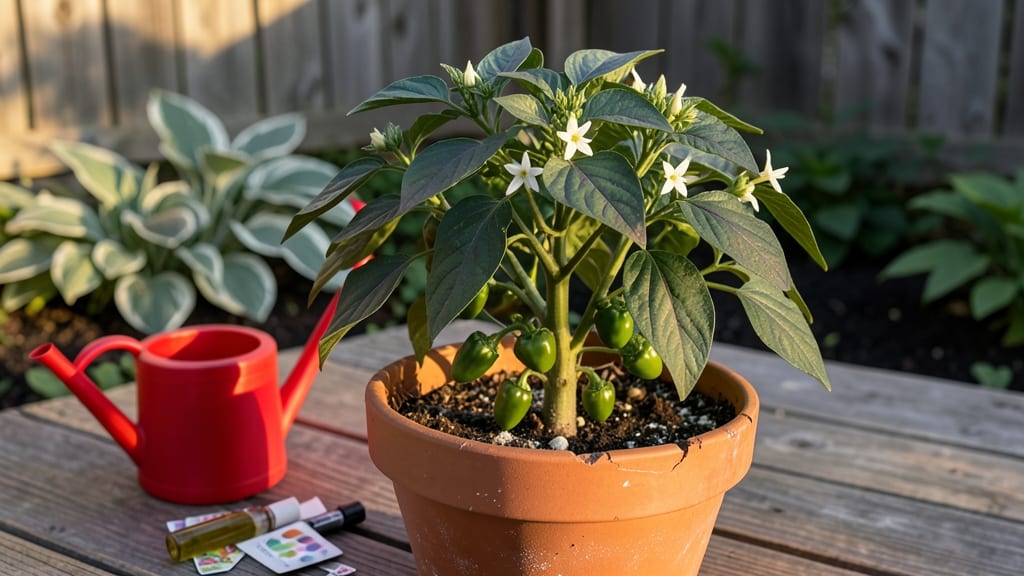
When your pepper seedlings start turning purple, they’re not just crying out for help—they’re begging for a nutrient fix, and I’ve cracked the code. it could also be cold stress or overwatering. Don’t panic: this is reversible with the right tweaks.
First, check your soil temperature—pepper seedlings need warmth (above 65°F) to thrive. If your soil is cold, move them to a warmer spot or use a heat mat. Then, examine your watering: purple stems often mean too much moisture, which leaches nutrients.
Let the top inch dry out before watering again. Finally, feed them a balanced fertilizer (like 10-10-10) at half-strength—pepper seedlings are sensitive to excess salts.
Within 3-5 days, you’ll see the purple fade as the seedlings recover. The key is consistency: keep the soil warm, water gently, and fertilize lightly.
Once they’re back to healthy green, you’re golden—your seedlings will grow strong and productive. This fix works for bell peppers, jalapeños, and even ghost peppers.
Prevent future issues by starting seeds in a warm, sunny spot and using well-draining soil. If you’re growing in containers, ensure pots have drainage holes to avoid waterlogging. A little attention now means bigger, healthier peppers later—no purple surprises!
Why it happens
H2: The Hidden Causes Behind Purple Seedlings
When your pepper seedlings start showing off those mysterious purple hues, it’s usually not a sign of a fancy new cultivar—but rather a cry for help from your plants. Understanding why this happens is the first step to saving your seedlings and ensuring a thriving harvest.
Let’s break down the science behind the color change and what’s really going on in your soil.
🧪 Phosphorus Deficiency: The Energy Crisis
Purple pigment in pepper seedlings is often a classic symptom of phosphorus deficiency. Phosphorus is a critical nutrient for root development, energy transfer, and overall plant metabolism.
When seedlings don’t get enough phosphorus, they start producing anthocyanins—natural pigments that give them a purple or reddish tint as a protective response to stress.
Here’s the science: Phosphorus helps activate enzymes that convert sugars into energy (ATP). Without it, seedlings struggle to grow roots or leaves efficiently. The purple color is essentially their way of saying, “I’m running low on fuel!”
How to spot it:
- Purple appears on the undersides of leaves or stems first.
- Seedlings may look stunted or weak, with slower growth.
- Dark purple veins or patches are common in severe cases.
💡 Pro Tip: Test your soil’s phosphorus levels with a simple at-home kit. Most garden soils have enough phosphorus, but if your seedlings are in sterile seed-starting mixes (which lack organic matter), deficiency is more likely.
---
❄️ Cold Stress: When Seedlings Freeze Up
Purple seedlings can also be a sign of cold stress, especially if your seedlings are exposed to temperatures below 50°F (10°C). Cold slows down nutrient uptake and disrupts metabolic processes, triggering anthocyanin production as a protective measure against frost damage.
Peppers are tropical plants and prefer warm conditions. When chilly nights or drafts hit, seedlings may turn purple along the veins or edges of leaves. This isn’t just cosmetic—it can weaken their immune system, making them more susceptible to disease.
How to spot it:
- Purple appears on newer growth or along leaf edges.
- Seedlings may look sluggish or wilt slightly in the morning.
- Cold stress often coincides with slow growth or yellowing between veins (a secondary symptom).
🌡️ Pro Tip: Keep seedlings in a warm, consistent environment (70–80°F / 21–27°C during the day, never below 60°F / 15°C at night). Use a seedling heat mat or move them to a sunny windowsill away from drafts.
---
🌱 Nitrogen Imbalance: Too Much or Too Little
While phosphorus deficiency is the most common cause, an imbalance in nitrogen can also trigger purple tinges. Nitrogen is essential for leafy growth, but when seedlings get too much or too little, it throws off their nutrient balance.
Here’s how it works:
- Low nitrogen: Causes overall stunted growth, and plants may produce anthocyanins to compensate for stress.
- High nitrogen (especially synthetic fertilizers): Can lock out phosphorus and other nutrients, making them unavailable to roots. This creates a secondary deficiency, leading to purple hues.
How to spot it:
- Purple appears alongside yellowing leaves (if nitrogen is low) or dark green, leggy growth (if nitrogen is high).
- Seedlings may have weak stems or small, curled leaves.
💡 Pro Tip: If you’ve been using a high-nitrogen fertilizer (like a 30-10-10 blend), switch to a balanced or phosphorus-rich fertilizer (e.g., 10-20-10) for 2–3 weeks. Avoid over-fertilizing—pepper seedlings need less nitrogen than leafy greens!
---
🌧️ Overwatering or Poor Drainage: The Drowning Effect
Purple seedlings can also signal root stress from overwatering or compacted soil. When roots sit in waterlogged conditions, they can’t absorb oxygen or nutrients efficiently. This triggers anthocyanin production as a survival mechanism.
Peppers hate “wet feet”—their roots need aeration to function. If your seedlings are in containers without drainage holes or soil that stays soggy, roots may suffocate, leading to nutrient uptake issues and purple discoloration.
How to spot it:
- Purple appears on older leaves first (unlike phosphorus deficiency, which hits new growth).
- Seedlings may have mushy stems or yellowing between veins.
- Soil smells musty or sour when you poke it.
✨ Pro Tip: Let the top 1–2 inches of soil dry out between waterings. Use a well-draining mix (50% peat moss/coco coir + 30% perlite + 20% compost) and ensure pots have drainage holes. If seedlings are in trays, elevate them to prevent water pooling.
Quick Fixes for Purple Pepper Seedlings
When your pepper seedlings start showing off those unexpected purple hues, don’t panic—there’s a solution for every cause! Below, we’ve mapped out practical fixes based on the most common triggers, along with prevention tips to keep your plants thriving. Let’s get those seedlings back to their healthy green selves!
---
If your seedlings are purple due to a phosphorus (P) or potassium (K) deficiency, they need a quick nutrient boost.
#### How to Fix It: 🍳 Step 1: Test Your Soil Use a soil test kit (or send a sample to a local extension office) to confirm if phosphorus or potassium is lacking.
Purple stems or leaves often signal low P, while weak growth with purple tinges may indicate low K.
👨🍳 Step 2: Apply a Balanced Fertilizer - For phosphorus deficiency: Use a high-phosphorus fertilizer (look for a 5-10-10 or 10-20-20 ratio on the label). - For potassium deficiency: Opt for a potassium-rich fertilizer (like 0-0-50 or 10-10-20). - Quick fix: Mix 1 tbsp of bone meal (for P) or 1 tbsp of wood ash (for K) into the soil around the seedlings.
🥘 Step 3: Water Well After Applying Moisten the soil thoroughly to help nutrients absorb. Avoid overwatering, though—root rot can worsen deficiencies!
⏰ Step 4: Monitor & Reapply if Needed Check your seedlings in 5–7 days. If purple persists, repeat the process or switch to a slow-release granular fertilizer for steady nutrition.
--- #### 💡 Prevention Tips: ✅ Pre-mix compost with a balanced fertilizer (like 10-10-10) before planting. ✅ Use aged compost—fresh manure can lock out nutrients. ✅ Avoid overwatering, which leaches nutrients away.
---
Purple discoloration can also mean your seedlings are too cold (below 50°F/10°C) or struggling with heat stress (above 90°F/32°C).
#### How to Fix It: 🔥 Step 1: Adjust Growing Conditions - If too cold: Move seedlings to a warmer spot (like a sunny windowsill or greenhouse). - If too hot: Provide shade cloth (30–50% coverage) to protect them.
🌱 Step 2: Use Row Covers or Heat Mats - For cold stress: Cover seedlings with a lightweight row cover or place them on a heat mat. - For heat stress: Mist leaves early in the morning to cool them down.
💧 Step 3: Ensure Proper Watering - Cold stress: Water slightly more to help roots absorb warmth. - Heat stress: Water deeply in the morning to prevent wilting.
--- #### 🎯 Prevention Tips: ✅ Start seeds indoors if your climate is unpredictable. ✅ Hardening off seedlings gradually before transplanting. ✅ Use a thermometer to monitor soil and air temps.
---
If seedlings are purple from the base up, they may be root-bound or drowning in soggy soil.
#### How to Fix It: 🔪 Step 1: Check Root Health Gently pull a seedling to inspect roots: - Healthy roots: White or light tan, not mushy. - Rotten roots: Dark, slimy, or smelly—act fast!
🌱 Step 2: Repot or Thin Seedlings - If overcrowded, transplant seedlings into larger pots with fresh, well-draining soil. - If roots are rotting, trim the bad parts, dust with cinnamon (natural antifungal), and repot in sterile potting mix.
💧 Step 3: Improve Drainage - Add perlite or vermiculite to soil to prevent compaction. - Ensure pots have drainage holes and avoid saucers that trap water.
--- #### 🔥 Prevention Tips: ✅ Use well-draining soil mixes (avoid heavy clay). ✅ Space seedlings properly (2–3 inches apart). ✅ Water at the base—avoid wetting leaves to prevent fungal issues.
---
Purple seedlings can also signal soil pH issues—peppers prefer 6.0–6.8 pH.
#### How to Fix It: 📊 Step 1: Test Soil pH Use a pH test kit to check levels.
🔄 Step 2: Adjust pH - If too acidic (below 6.0): Add lime (follow package instructions). - If too alkaline (above 6.8): Mix in sulfur or peat moss.
💧 Step 3: Flush Soil After adjusting, water thoroughly to help pH stabilize.
--- #### 🌿 Prevention Tips: ✅ Test soil before planting—don’t guess! ✅ Use organic amendments (like compost) to buffer pH naturally. ✅ Avoid over-fertilizing, which can disrupt pH over time.
--- Most purple seedlings bounce back quickly with the right care. Monitor daily, adjust as needed, and soon you’ll have strong, vibrant peppers ready for the garden! 🌱🔥
(Need a deeper dive? Check out our [soil testing guide](#) for more details!)
Frequently asked questions
Is purple discoloration always a sign of nutrient deficiency in pepper seedlings?
Not always! While phosphorus or potassium deficiency is common, purple seedlings can also signal cold stress (below 50°F) or overwatering. Check soil moisture first—if it’s soggy, roots may be suffocating. Cold stress often appears on newer growth, while deficiencies affect older leaves first.
Can I use regular garden soil for pepper seedlings?
No, garden soil is too heavy and can compact, suffocating roots. Use a lightweight seed-starting mix (50% peat moss/coco coir + 30% perlite + 20% compost). This prevents waterlogging, which causes purple stems from root stress. Always add drainage holes to containers!
How quickly should I see improvement after fixing the issue?
With proper care, you’ll often see color changes within 3–5 days. For nutrient fixes, use a water-soluble fertilizer (like 10-20-20) at half-strength for fastest results. Cold stress requires moving seedlings to warmer conditions immediately—purple should fade within 24–48 hours.
Will my pepper plants still produce fruit if seedlings turn purple?
Yes! Purple seedlings can recover completely, and mature plants are more resilient. Address the issue early to prevent stunted growth. Once seedlings return to green, they’ll grow strong and produce healthy peppers. Just ensure they get 6+ hours of sunlight daily and consistent warmth.
Can I save seedlings with rotting roots?
Sometimes! Trim the black/mushy roots, dust with cinnamon (natural antifungal), and repot in fresh, sterile mix. Keep soil barely moist for 1 week while roots recover. If most roots are rotted, it’s better to start fresh—purple seedlings are easier to revive than those with root rot.