
Size
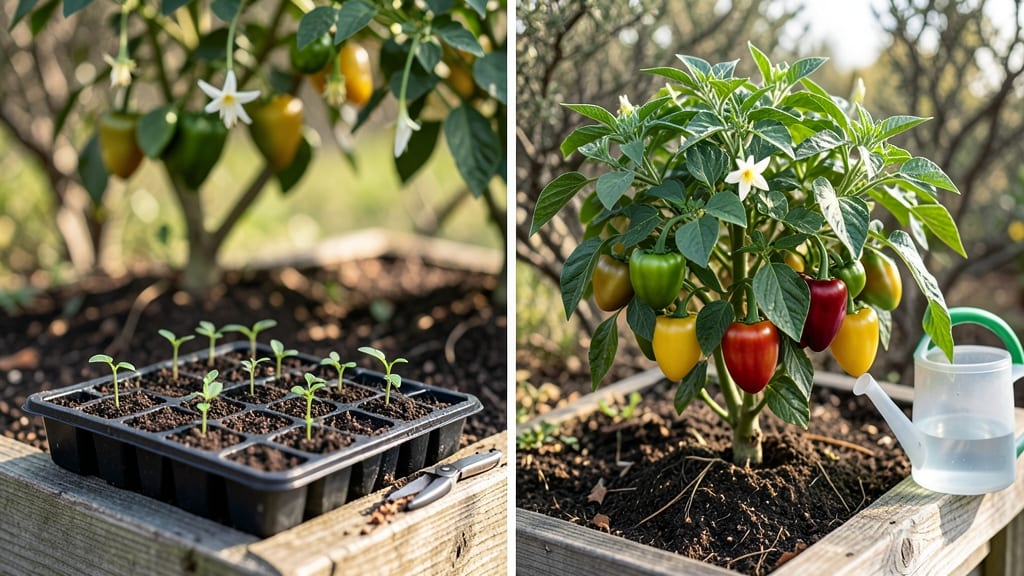
Transform your small space into a thriving garden where pepper seeds grow a garden of bold flavors—just 80 days from seed to sizzling jalapeños. 🌱 I started with a single packet last spring and now share my fiery harvests with neighbors. jars, all from a balcony setup that barely took up 3 square feet.
The secret isn’t fancy equipment—it’s timing and technique. Plant seeds indoors 8-10 weeks before your last frost, or direct-sow after soil warms to 60°F. Keep them cozy under lights or in a sunny window until they’re 3 inches tall, then harden off before transplanting.
Vertical grow bags or trellises turn tiny spaces into pepper powerhouses. By midsummer, you’ll be snipping peppers straight from the vine, their colors ranging from bright green to deep red. The flavor? Nothing compares to homegrown—bold, fresh, and packed with heat.
Plus, you’ll save money and avoid store-bought peppers that taste like cardboard. Works for any variety—jalapeños, bell peppers, or even ghost peppers—and adapts to containers, raised beds, or sunny windowsills. Let’s get those seeds sprouting!
📚 In This Guide
- What you need
- Instructions
- Tips and common mistakes
- Wrapping up and next steps
What you need
- ● Pepper seeds: Choose 3–5 varieties (e.g., jalapeños, bell peppers, or habaneros) for diversity. Start with 5–10 seeds per type (not all will germinate!).
- ● Vertical planters: Wall-mounted pockets (e.g., 5–10 pockets, 6" deep x 8" wide each).
- ● OR a tall fabric grow bag (12"–18" diameter, 3–4 ft tall).
- ● Potting mix: 1–2 bags of well-draining, organic mix (e.g., 60% peat/coir + 40% perlite/vermiculite). Avoid garden soil—it’s too dense!
- ● Support system: Trellis netting or bamboo stakes (for climbing varieties like Cayenne Long).
- ● Small clips or ties (for securing peppers to supports).
- ● Watering can or spray bottle: With a gentle showerhead to avoid disturbing soil.
- ● Fertilizer: Balanced liquid fertilizer (e.g., 10-10-10) OR compost tea for organic growers.
- ○ Optional boost: Calcium supplement (e.g., crushed eggshells) to prevent blossom-end rot.
- ● Pruning shears: Small, sharp pair for trimming and harvesting.
- ● Grow lights: LED full-spectrum bulbs (12–14 hrs/day) if natural light is <7 hrs/day.
- ● Self-watering system: A wicking bed or drip irrigation for consistent moisture.
- ● Mulch: Straw or coconut coir to retain moisture and suppress weeds.
- ● Pest control: Neem oil or row covers for aphids/spider mites.
- ● Harvesting tools: Small basket or mesh bag to carry peppers without bruising.
Step-by-step instructions for growing peppers vertically
Here's how to transform a tiny space into a thriving pepper garden using walls and shelves.
🪴 Step 1: Build or Select Vertical Growing Structures
Start with a sturdy frame or repurpose materials like pallets, trellises, or wall-mounted shelves. I use a simple 4-foot tall A-frame trellis with 1-inch grid spacing for pepper vines to climb. If building from scratch, use 2x4 lumber for the frame and plastic lattice panels for climbing support—peppers need something strong to grip as they grow.
Position your structure in a spot that gets at least 6-8 hours of direct sun daily. South-facing walls or windows work best, but even east or west exposures can produce peppers if you supplement with a grow light during cloudy days. Avoid shady corners—peppers need warmth to set fruit.
🌱 Step 2: Plant Seeds or Transplants with Proper Spacing
Sow pepper seeds ¼ inch deep in biodegradable pots (the 4-pack size works perfectly) or transplant 4-inch seedlings directly into the base of your vertical structure. Space plants 12-18 inches apart—crowding leads to poor air circulation and disease. I like to plant 4-6 peppers per structure, depending on the variety (smaller peppers like 'Thai' can be closer, while big bell peppers need more room).
Fill pots with well-draining potting mix (never garden soil—it compacts and drowns roots). After planting, water deeply until moisture runs from the bottom of the pots. Let the soil settle for 24 hours before adding support ties. Use soft plant clips or twine to gently guide the main stem upward—peppers grow fast, and you want them climbing early to maximize vertical space.
☀️ Step 3: Train Vines and Provide Consistent Care
As peppers grow, prune side shoots that form below the first 4-5 flower clusters—this directs energy upward. Leave the remaining side shoots to develop fruit. I pinch off the very top of the plant when it reaches the top of the trellis to encourage bushier growth lower down. This ensures more peppers ripen before the season ends.
Water at the base every 2-3 days, keeping the soil evenly moist but not soggy. Vertical gardens dry out faster, so check the top inch of soil daily—if it feels dry, water deeply. Feed plants with a balanced liquid fertilizer (10-10-10) every 2 weeks once flowers appear. Peppers are heavy feeders, and vertical growing depletes nutrients quickly.
✂️ Step 4: Harvest and Maintain Through the Season
Start harvesting when peppers reach half their mature size—this encourages continuous production. Use clean scissors to snip stems, leaving a small portion attached to the plant. I harvest every 3-4 days during peak production to prevent overcrowding and disease. Store freshly picked peppers in a cool, dry place (not the fridge) for up to 2 weeks—they lose flavor when chilled.
As the season progresses, prune dead or diseased leaves immediately to keep air flowing. If peppers slow down in late summer, give them a final fertilizer boost with low-nitrogen, high-phosphorus (like 5-10-10) to push late-season fruit. By late fall, when temps drop below 50°F, bring pots indoors or harvest remaining peppers before frost hits.
Tips & tricks for perfect vertical pepper gardens
Small spaces shouldn't limit your harvest—here's how to maximize every inch and avoid common pitfalls.
Location is Everything: The 6-8 hours of direct sun requirement is non-negotiable, but don't overlook microclimates. If your south-facing wall gets hotter than 90°F, consider moving plants to an east-facing spot during peak afternoon heat. I've seen peppers thrive on west walls with afternoon sun if you supplement with a grow light for just 2 hours during cloudy mornings. A small LED grow bulb costs pennies and makes all the difference in cooler climates.
Root Support Matters: Those biodegradable pots are brilliant, but don't skip the 24-hour settling period before adding support ties. I learned this the hard way—rushing the process causes roots to tangle with the twine as they grow. Use soft plant clips instead of twine for your first few plants—they're gentler on stems and easier to adjust as vines grow. And here's a pro move: add a second set of clips halfway up the trellis to prevent the main stem from bending under the weight of heavy peppers.
Watering Wisdom: The 2-3 day watering schedule works for most vertical setups, but check that top inch of soil daily—especially in containers. I've seen peppers wilt dramatically within hours when the soil dries out too quickly. If your structure is in full sun, water in the morning to give roots time to absorb moisture before the heat of the day. And here's a trick: add a layer of mulch around the base to retain moisture and keep roots cool.
Harvesting Hack: Those clean scissors aren't just for cutting—they're for signaling your plants! When you harvest every 3-4 days, you're actually encouraging the plant to produce more fruit. But here's what nobody tells you: pinch off any peppers that turn color before their time. It sounds counterintuitive, but removing underripe peppers redirects the plant's energy to developing new flowers and fruit. This simple trick can double your harvest in peak season.
Pro Tips for Pepper Seeds Grow A Garden
- Small spaces shouldn't limit your harvest—here's how to maximize every inch and avoid common pitfalls.
- Location is Everything: The 6-8 hours of direct sun requirement is non-negotiable, but don't overlook microclimates.
- Root Support Matters: Those biodegradable pots are brilliant, but don't skip the 24-hour settling period before adding support ties.
Frequently asked questions
Got questions about growing pepper seeds in small spaces? You’re not alone! Here are answers to the most common queries to help you cultivate a thriving vertical pepper garden with confidence.
How long does it take for pepper seeds to germinate?
Pepper seeds typically germinate in 7–21 days, depending on temperature and moisture. Keep soil consistently warm (around 70–85°F) and humid—use a seedling heat mat if needed. Patience is key! If nothing sprouts after 3 weeks, try fresh seeds or adjust your growing conditions.
When is the best time to plant pepper seeds indoors vs. outdoors?
Start seeds 8–10 weeks before your last frost date indoors under grow lights. Transplant seedlings outdoors after all danger of frost has passed and soil temps reach 60°F+. Peppers thrive in warmth—rush the process, and you’ll risk stunted growth or poor yields.
Can I grow peppers vertically in containers without soil?
Use hydroponics or soilless mixes (like coco coir or peat moss) in vertical pockets or tower gardens. Ensure roots get oxygen and consistent moisture, and fertilize regularly. Just monitor nutrient levels closely—peppers are heavy feeders, even in hydroponic setups!
Why are my pepper seedlings leggy or weak?
Leggy seedlings usually mean lack of light or overcrowding. Move them closer to a grow light or sunny window (12–16 hours/day) and thin them if needed. For extra support, use small stakes or trellises early to encourage sturdy growth.
What’s the easiest pepper variety for beginners in small spaces?
Try ‘Shishito,’ ‘Thai Hot,’ or ‘Cherry Bomb’ peppers—they’re compact, prolific, and perfect for vertical gardens. Dwarf varieties like ‘Jalapeño M’ also work well. Avoid large heirlooms (e.g., ‘Ancho’) unless you have deep pockets or plan to prune aggressively.
Wrapping up and next steps
Growing peppers from seeds in a vertical garden is a rewarding way to turn limited space into a spice-filled oasis! 🌱 With the right setup—like trellises, containers, or pocket planters—you’ll enjoy fresh, flavorful peppers year after year.
Whether you’re a beginner or a green thumb, this method proves that big harvests don’t need big yards.
Ready to spice up your space? Start by planting your first seeds this week—your future meals (and proud bragging rights) will thank you! For extra inspiration, explore vertical garden designs or share your progress with fellow gardeners online. Happy growing!