
Planting
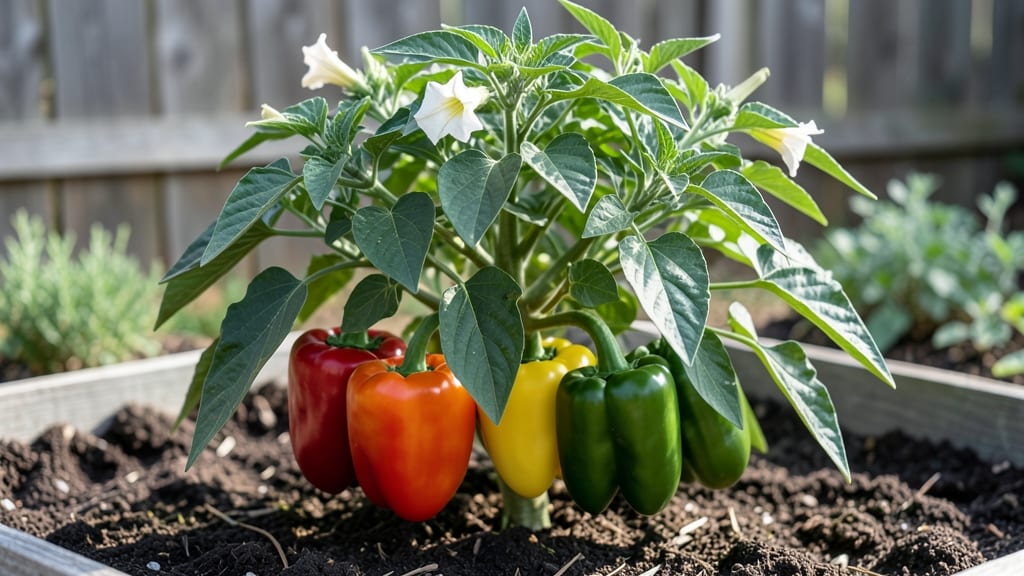
Growing a pepper spice plant in tight spaces just got easier—no more sacrificing your patio for peppers. 🌱 I’ve turned my balcony into a vertical pepper garden that produces more heat (and flavor) than my old ground plot ever did, using nothing but a few simple hacks and the right varieties.
The secret lies in choosing compact varieties like ‘Apache’ chili or ‘Mini Bell’ peppers, which thrive in hanging pots or trellises. You’ll need 6-8 hours of sunlight daily, well-draining soil, and a sturdy support system—think tomato cages or wall-mounted pockets.
Even in small spaces, these peppers will climb, cascade, or bush out with minimal fuss. By summer’s end, you’ll be harvesting bright red, fiery hot pods or sweet mini bells straight from your vertical garden. The best part?
No more wrestling with sprawling plants—just easy access to fresh peppers for cooking, drying, or sharing with neighbors who’ll swear you’ve got a magic touch. Works for apartments, decks, or even sunny windowsills. Here’s how to set up your own pepper powerhouse—no yard required!
📚 In This Guide
- What you need
- Instructions
- Tips and common mistakes
- Wrapping up and next steps
What you need
- ● Pepper seeds or seedlings: Choose compact varieties like Capsicum annuum (e.g., 'Shishito,' 'Jalapeño,' or 'Thai Chili'). Start with 3–5 seeds or 2–3 seedlings per vertical setup.
- ● Vertical growing structure: Wall-mounted pockets: 5–10 fabric or plastic pockets (12"–18" deep, 6"–8" wide).
- ● Trellis or cage: A 5–6 ft tall metal or wooden trellis (e.g., tomato cage) or a hanging macramé planter with pockets.
- ○ DIY pallet garden: A 4x4 ft wooden pallet + landscape fabric (optional, for weed control).
- ● Growing medium: Potting mix: 5–10 gallons of well-draining mix (e.g., 50% coconut coir, 30% perlite, 20% compost).
- ● Slow-release fertilizer: 1–2 tbsp per plant (e.g., 10-10-10 NPK or organic options like worm castings).
- ● Support accessories: Soft plant ties: 3–5 (for securing vines to trellises).
- ● Climbing strings or twine: 10–15 ft (for DIY setups).
- ● Pruning shears: Small, sharp pair for trimming (e.g., Felco F-2 style).
- ● Watering can: 1–2 gallon with a rose nozzle for gentle watering.
- ○ Spray bottle: For misting seedlings (optional but helpful for humidity).
- ● Measuring tape: To check plant spacing (12–18" apart for pockets).
- ● Gloves: Lightweight gardening gloves (to protect from thorns/spice oils).
- ● Self-watering system: Wicks or drip irrigation kit to automate hydration.
- ● Grow lights: LED clip-on lights (12–14 hrs/day) if indoors or low-light.
- ● Compost tea: For a nutrient boost (mix 1 tbsp per gallon of water).
- ● Harvest basket: A small, breathable mesh bag to collect peppers easily.
How to grow peppers vertically in small spaces
Here’s how I turn even the tiniest balcony into a spice powerhouse—no sprawling plants required.
🪴 Step 1: Choose the Right Vertical System
Start with a sturdy 5-gallon fabric grow bag or a wall-mounted pocket planter—both work perfectly for peppers. I like the bags because they’re lightweight, drain well, and let me move plants easily. If using pockets, pick ones at least 12 inches deep so roots have room to spread. Fill each pocket or bag with high-quality potting mix (never garden soil—it compacts and suffocates roots).
Tap the container gently to settle the soil, but don’t pack it down. You want it fluffy enough that water drains freely but holds moisture for roots. Add a slow-release fertilizer (like 5-10-5) mixed into the top inch of soil—this gives peppers a nutrient boost right when they need it.
☀️ Step 2: Plant and Train for Vertical Growth
Dig a hole in the center of your container twice as deep as the pepper’s root ball and place the plant in. Fill the hole with soil, pressing lightly to remove air pockets but not compacting too tightly. The key here is to bury the plant deeper than it was in its pot—this encourages stronger stems and helps prevent toppling.
As soon as you plant, install a trellis or bamboo stake next to the pepper. I use 3-foot tall stakes for compact varieties like ‘Jalapeño’ or ‘Shishito.’ Tie the main stem loosely to the stake with soft plant ties (never wire—it cuts into stems). Watch for new growth at the top, and when it reaches the next tie point, secure it gently. This keeps peppers growing upward instead of sprawling.
💧 Step 3: Water and Feed for Compact, Productive Plants
Water deeply every 2-3 days until the top 2 inches of soil feel dry—peppers hate soggy roots but also won’t produce if they’re thirsty. I water at the base, avoiding leaves to prevent fungal diseases like powdery mildew. In the morning is best—this gives foliage time to dry before evening humidity sets in.
Feed peppers every 4-6 weeks with a balanced liquid fertilizer (10-10-10). I mix it at half-strength to avoid burning roots. You’ll see it working when flowers appear—stronger blooms mean more peppers. Prune suckers (the little shoots that grow in the leaf axils) to direct energy into fruit production instead of bushy growth.
✂️ Step 4: Prune and Harvest for Continuous Yield
When peppers start fruiting, prune back any side shoots that grow below the first flower cluster. This keeps the plant’s energy focused on the main stem and existing peppers. I also pinch off the top of the plant once it reaches the top of the trellis—this stops vertical growth and encourages the plant to put energy into ripening existing fruit.
Harvest peppers when they reach full color (green, red, yellow—whatever your variety). Use clean scissors or pruners to cut the stem just above the fruit. This prevents damage to the plant and encourages more blooms. In small spaces, frequent harvesting is key—it keeps plants productive and prevents overcrowding.
🌿 Step 5: Extend the Season with Simple Tricks
To keep peppers producing late into fall, cover the container with a frost blanket when temperatures dip below 50°F at night. This adds 5-10°F of warmth and buys you extra weeks of harvests. I also move containers to a south-facing wall where they absorb heat during the day and release it slowly at night.
If your peppers slow down in late summer, give them a light trim—cut back any leggy growth by a third. This rejuvenates the plant and often triggers a second flush of blooms. With these tweaks, I’ve had peppers producing well into October, even in cooler climates.
Tips & tricks for perfect vertical pepper growth
Small-space gardening doesn't mean sacrificing flavor—here's how I maximize every inch while keeping peppers thriving.
Container Depth Matters: That 12-inch minimum depth in Step 1 isn't arbitrary—it's what prevents root-bound stress. I've seen peppers in shallower containers develop stunted growth because roots hit the bottom too soon. For extra insurance, add a 2-inch layer of perlite to the bottom of your container before soil to improve drainage and root expansion.
Tie Technique: When securing your pepper stems to the trellis in Step 2, use a simple "loop and pull" method with soft plant ties. I make the first loop about 3 inches above the soil, then add another every 6-8 inches as the plant grows. The key is to keep ties loose enough that you can fit a finger between the stem and tie—too tight and you'll strangle growth. I've ruined plants by being too aggressive with ties.
Watering Wisdom: The 2-3 day watering schedule in Step 3 works best when you stick to the morning routine. I've learned the hard way that watering at night can lead to fungal issues, especially in humid climates. For extra protection, I add a handful of cinnamon to the soil when planting—it's a natural antifungal that lasts through the growing season.
Season Extension Hack: That 50°F temperature threshold in Step 5 is your guide, but don't wait until the last minute to cover plants. I start using frost blankets when nighttime temps consistently drop below 55°F—this gives you that extra buffer. Pro tip: Use wooden dowels to create a tent shape with your frost blanket. This allows sunlight to penetrate while still trapping warmth.
Pro Tips for Pepper Spice Plant
- Small-space gardening doesn't mean sacrificing flavor—here's how I maximize every inch while keeping peppers thriving.
- Container Depth Matters: That 12-inch minimum depth in Step 1 isn't arbitrary—it's what prevents root-bound stress.
- Tie Technique: When securing your pepper stems to the trellis in Step 2, use a simple "loop and pull" method with soft plant ties.
Frequently asked questions
Got questions about growing and using your pepper spice plant? You’re not alone! Here are answers to the most common queries—from planting to harvest and everything in between.
How long does it take for a pepper spice plant to grow from seed?
A pepper spice plant (like Piper nigrum or long pepper) typically takes 6–12 months to mature from seed, depending on your climate. In warmer zones, you may see flowers and small peppers in 4–6 months, while cooler regions could extend this to a full year. Patience is key—these vines thrive with time!
Can I grow pepper spice plants indoors or in containers?
Pepper spice plants are perfect for containers and can thrive indoors with bright, indirect light (like a south-facing window) and 6+ hours of sunlight daily. Use a well-draining pot (at least 12 inches deep) and keep the soil moist but not soggy. A trellis or vertical garden system will maximize space and airflow.
Why aren’t my pepper spice plants producing peppers?
If your plant is flowering but not fruiting, it’s likely due to low humidity, insufficient light, or temperature fluctuations. Pepper spice plants need warmth (70–85°F), high humidity (60%+), and consistent care. Try misting leaves, using a humidity tray, or moving the plant to a warmer spot. Female flowers (with tiny bulges at the base) are the ones that bear fruit—look for these!
What’s the best alternative if I can’t grow pepper spice plants?
If pepper spice is too tricky, try these easy-to-grow spice alternatives:
- Black pepper substitutes: Sichuan pepper, allspice, or a mix of garlic + cayenne for heat.
- Long pepper substitutes: Cubeb pepper or a blend of black pepper + cardamom.
- For vertical gardens: Basil, mint, or chili peppers—all thrive in small spaces!
Experiment to find your flavor match!
How do I harvest and store pepper spice for long-term use?
Harvest green peppers (for black pepper) when firm or dried berries (for white/long pepper) when fully ripe. Dry them in a low oven (170°F) or dehydrator for 1–2 weeks, then grind into powder. Store in an airtight container away from light—fresh pepper keeps for 6 months, while dried lasts 1–2 years.
Wrapping up and next steps
Growing a pepper spice plant vertically in small spaces isn’t just possible—it’s a game-changer for flavor-packed harvests! With the right setup, you can maximize yield, save space, and enjoy fresh peppers year-round.
Whether you’re a seasoned gardener or just starting, these hacks make it easier than ever to turn tiny balconies or windowsills into thriving mini-farms.
Ready to spice up your gardening game? Start small—pick one or two pepper varieties, gather your supplies, and experiment with vertical setups. Before you know it, you’ll be harvesting vibrant, flavorful peppers that’ll make every dish sing! 🌱✨