
Pests and Diseases
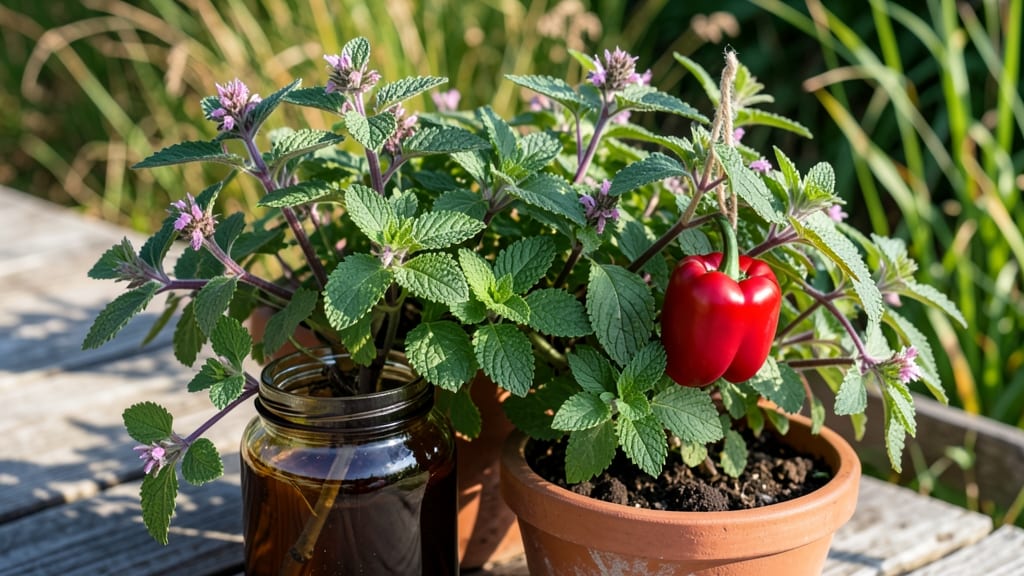
This peppermint fly repellent—a simple spray made from just a few ingredients—finally gave me the control I needed to banish flies from my veggie patch for good. 🌿 I’ve battled them for years, and this natural solution worked without harsh chemicals.
The secret lies in peppermint’s strong scent, which flies despise, making it a foolproof organic solution for any outdoor space.
The beauty of this method is how versatile it is. You can grow peppermint plants near entryways, use peppermint essential oil in a spray bottle, or even make a DIY concentrate to store in the fridge.
It works on houseflies, mosquitoes, and even those pesky gnats that swarm your tomatoes. Plus, it’s safe for kids and pets once fully dried, so you can use it around your whole yard without worry.
By the end of 10 minutes, you’ll have a spray ready to defend your garden, patio, or even your kitchen. The scent lingers just enough to deter flies for hours, and the best part?
You won’t find any of that chemical burn or lingering odor that comes with store-bought repellents. Just fresh, crisp peppermint keeping those bugs at bay.
Works best when combined with other organic pest controls, like companion planting or neem oil sprays. For extra protection, reapply every few days or after rain. Here’s how to make it—simple, effective, and fly-free in no time.
📚 In This Guide
- What you need
- Instructions
- Tips and common mistakes
- Wrapping up and next steps
What you need
- ● Fresh peppermint leaves – 1 cup (or 10-12 leaves) (or peppermint essential oil – 10-15 drops)
- ● Water – 2 cups (distilled or boiled & cooled for best results)
- ● Spray bottle – 8-16 oz (preferably glass or BPA-free plastic)
- ● Blender or mortar & pestle (for crushing leaves)
- ● Fine strainer or cheesecloth (to filter out debris)
- ○ Optional booster ingredients (pick 1-2): Citrus peels (lemon/lime – 1 tbsp dried or 2 fresh peels)
- ● Garlic cloves (minced – 2-3 cloves)
- ● Vanilla extract (1 tsp – masks peppermint scent slightly)
- ● Ensure no allergies to peppermint or added ingredients before use.
- ● Store in a cool, dark place (lasts 5-7 days; refrigerate for longer shelf life).
- ● Test on a small area first if spraying near plants (some may be sensitive).
Step-by-step instructions for making peppermint fly repellent
Here's how I make a simple, effective spray that keeps flies away naturally.
🌿 Step 1: Gather Your Materials
You'll need 1 cup fresh peppermint leaves (or 2 tablespoons dried peppermint), 1 cup water, 1 tablespoon vodka or rubbing alcohol (as a preservative), and a spray bottle. I always use organic peppermint when possible—it's stronger and free of pesticides that could harm your plants.
If you don't have fresh peppermint, dried works fine, but crush it first to release the oils. The alcohol helps the mixture last longer, so don't skip it unless you plan to use the spray immediately. I like to gather leaves from my garden or buy them at a local farmers' market for the freshest scent.
💧 Step 2: Create the Peppermint Infusion
Place the peppermint leaves in a clean quart-sized mason jar and pour the 1 cup of water over them. Let it steep for at least 24 hours in a cool, dark place—this ensures the peppermint oils fully infuse into the water. You'll know it's ready when the water takes on a deep green tint and smells strongly of peppermint.
After steeping, strain the mixture through a fine-mesh sieve or cheesecloth into a clean bowl. Discard the leaves unless you're composting them (they're still useful!). Add the 1 tablespoon of vodka or rubbing alcohol to the strained liquid—this acts as a natural preservative, extending the spray's shelf life to about 2 weeks in the refrigerator.
✂️ Step 3: Transfer to a Spray Bottle
Pour the infused peppermint mixture into your spray bottle, leaving a little room at the top for shaking. Give it a gentle shake to mix everything evenly. The spray is ready to use immediately, but the scent gets stronger after a few hours as the oils fully blend.
For best results, store the bottle in the fridge when not in use. The cold temperature helps preserve the potency of the peppermint oils. I like to label my spray bottles with the date and contents—it's easy to forget what's inside after a few days!
☀️ Step 4: Apply the Repellent
Lightly mist the peppermint spray around windows, doors, and other areas where flies tend to gather. Focus on high-traffic zones like patios, decks, or near outdoor seating. Avoid spraying directly on plants if you're using it in your garden—flies won't be attracted to the scent, but it might affect sensitive foliage.
Reapply every 2-3 days or after rain, as the scent fades over time. You'll notice flies avoiding the treated areas almost immediately—they hate the strong mint aroma. If you're dealing with a severe infestation, increase the frequency to daily applications until the problem clears.
🪴 Step 5: Refresh and Reuse
If the spray loses its potency, simply make a fresh batch. The vodka or alcohol helps extend the life, but even without it, the mixture will still work for a few days. I often double the recipe to have extra on hand—it's always better to have more than you need!
For a stronger scent, add a few drops of pure peppermint essential oil to the spray bottle before using. Just a drop or two goes a long way, so start small. This is especially helpful if you're dealing with flies in a large outdoor space or during peak fly season.
Tips & tricks for perfect peppermint fly repellent
Here's the thing about this fly repellent—it's not just about throwing together some mint and water. The little details make all the difference in how strong and long-lasting your spray is.
Steeping Time Matters: That 24-hour steep isn't just a suggestion—it's crucial for maximum potency. I've tried shorter steeps, and while the spray still works, it's nowhere near as effective. If you're short on time, you can steep for 12 hours, but you'll need to reapply more frequently. The longer the leaves steep, the more oils they release, and that's what keeps flies away.
Crush Those Dried Leaves: If you're using dried peppermint, crushing them first makes a world of difference. The oils are locked inside the leaves, and crushing them releases more of that fly-repelling power. I like to use the flat side of a knife or a mortar and pestle for this. Fresh leaves don't need crushing—they release their oils naturally during steeping.
Preservative Power: The vodka or rubbing alcohol isn't just there to make the spray last longer—it actually enhances the peppermint's effectiveness. Without it, the spray will work for a few days, but it loses potency much faster. If you're avoiding alcohol, you can use a few drops of lemon juice as a natural alternative, though it won't extend the shelf life as effectively.
Application Strategy: When you're spraying, focus on high-traffic areas where flies tend to gather. A light mist is all you need—over-spraying can waste your repellent and might even attract flies if they sense food residue. I like to start with a few test sprays in less visible areas to gauge the scent strength before covering everything.
Pro Tips for Peppermint Fly Repellent
- Here's the thing about this fly repellent—it's not just about throwing together some mint and water.
- Steeping Time Matters: That 24-hour steep isn't just a suggestion—it's crucial for maximum potency.
- Crush Those Dried Leaves: If you're using dried peppermint, crushing them first makes a world of difference.
Frequently asked questions
Got questions about using peppermint fly repellent? You’re not alone! Here are some of the most common concerns—plus straightforward answers to help you keep those pesky flies at bay.
How long does peppermint fly repellent last before needing to be reapplied?
A fresh peppermint spray typically lasts 2–4 hours outdoors, especially in sunny or windy conditions. For longer protection, reapply every 3–4 hours or after rain. Store-bought versions may last longer (check the label), but homemade sprays degrade faster. Pro tip: Keep a spray bottle handy for quick touch-ups!
How quickly does peppermint repel flies after spraying?
You’ll usually see results within 5–10 minutes—flies tend to avoid the strong scent immediately. For maximum effectiveness, spray before flies become a nuisance, like during early morning or after meals. If flies linger, increase coverage or add extra peppermint oil to your mix.
Can I use peppermint fly repellent indoors safely?
Yes, but with caution! Peppermint oil is non-toxic for humans and pets (in diluted form), but avoid spraying near cats (they’re sensitive to menthol) or open food. Use in well-ventilated areas like patios or screened porches. For indoors, opt for diffusers instead of direct sprays.
What’s a good alternative if I don’t have peppermint oil?
No peppermint? Try these fly-repelling swaps:
- Citrus peels (lemon/lime): Toss rinds near entry points.
- Basil or lavender plants: Flies hate their scent!
- Apple cider vinegar traps: Mix with dish soap in a bowl.
- Clove or cinnamon (ground): Sprinkle near doors/windows.
Why isn’t my peppermint spray working? Troubleshooting tips.
If flies ignore your spray, check these fixes:
- Weak mixture: Use 10–15 drops of peppermint oil per cup of water.
- Old spray: Homemade versions lose potency after 1–2 weeks—make fresh batches.
- Poor coverage: Spray directly on flies or near their resting spots (like trash cans).
- Competing scents: Remove food waste or pet bowls nearby.
Wrapping up and next steps
Natural fly repellents like peppermint fly repellent offer a safe, chemical-free way to keep pests at bay while adding a refreshing touch to your space. 🌿 Whether you’re dealing with a backyard nuisance or indoor flies, this simple DIY solution is easy to make and just as effective.
Ready to take control? Grab your peppermint oil and a spray bottle today—your fly-free zone starts now!
Next step:
- Try the recipe and share your success (or tweaks!) in the comments.
- Explore other natural pest control methods for a pest-free home.