
Diseases
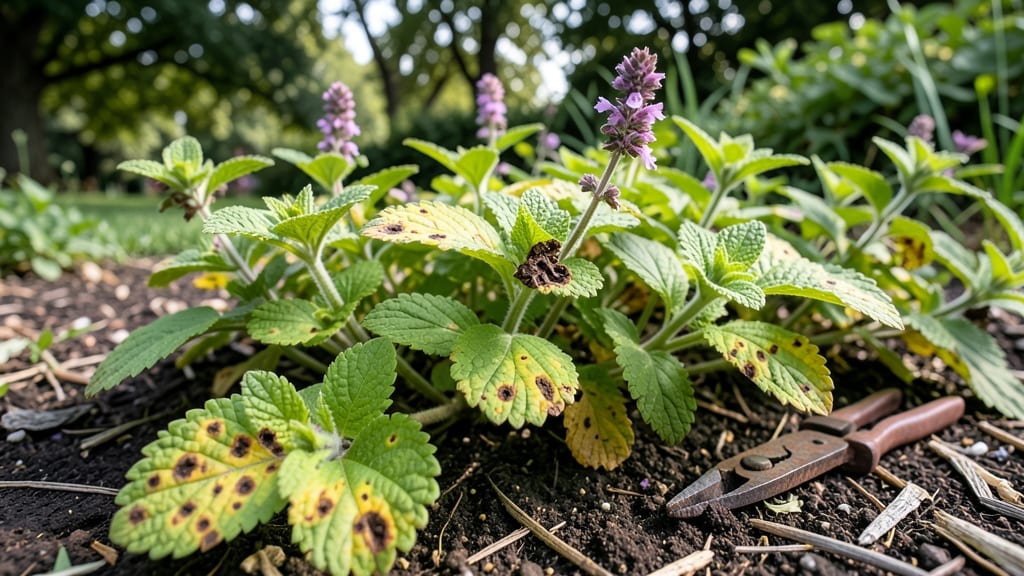
Peppermint plants wilt faster than you'd expect when fungal diseases strike—especially powdery mildew and rust. 🌿 I’ve watched my own mint beds go from lush and fragrant to sad, yellowed patches in just weeks, and I’m here to help you spot the warning signs before it’s too late.
The worst offenders—like powdery mildew—start with white, dusty spots on leaves, while rust shows up as orange pustules. Both thrive in damp, shady conditions, so proper spacing and airflow are your first line of defense. I’ve learned the hard way that ignoring these early signs leads to total collapse.
With the right mix of pruning, fungicides, and sunlight adjustments, you can bring your peppermint back to life. The key is acting fast—once the disease spreads, recovery gets a lot harder. Trust me, your mint’s future depends on it.
This guide covers everything from prevention to organic treatments, so you can keep your peppermint thriving all season long. Let’s get those plants healthy again!
Root Causes Of Peppermint Ailments
Peppermint plants, though hardy, are vulnerable to diseases that thrive under specific conditions. Understanding why these issues arise is the first step to prevention and treatment. Below, we break down the key factors that create the perfect storm for fungal infections and other peppermint plant diseases.
---
Peppermint plants love moisture—but too much humidity without airflow creates a disease paradise. Fungal spores like Rust (Puccinia menthae) and Powdery Mildew (Erysiphe cichoracearum) flourish in stagnant, damp air. Here’s why:
- Crowded Plantings 🌱➡️💨: When peppermint grows too densely, leaves brush against each other, trapping moisture and spreading spores like wildfire.
Fungi love this environment because it mimics their natural wet, shaded habitats. - Overhead Watering 💦🚫: Splashing water onto leaves (especially in the evening) leaves droplets that linger, creating ideal conditions for fungal spores to germinate.
Unlike roots, peppermint leaves aren’t designed to handle prolonged wetness. - Greenhouse or Container Stagnation 🏠🌿: Enclosed spaces like greenhouses or pots without ventilation trap humidity. Without airflow, spores spread unchecked, and infected leaves can’t dry out quickly.
Actionable Fix: Space plants 12–18 inches apart, water at the base (not overhead), and use fans or open windows to improve circulation. For containers, ensure drainage holes and elevate pots to prevent waterlogging.
---
Peppermint roots need moisture, but soggy soil is a fast track to root rot (Phytophthora spp.) and stem diseases. Here’s the science:
- Compacted or Poor-Draining Soil 🏗️💦: Clay-heavy or poorly amended soil holds water like a sponge, suffocating roots and inviting fungal pathogens.
Peppermint prefers well-draining, slightly acidic soil (pH 6.0–7.0)—anything heavier or waterlogged stresses the plant. - Overwatering Without Drainage 🚰🔥: Even peppermint can’t survive if its roots sit in water.
Root rot fungi (Pythium or Rhizoctonia) thrive in anaerobic (oxygen-deprived) soil, breaking down root tissue and blocking nutrient uptake. - Frequent Rain or Irrigation Without Breaks ☔📅: Peppermint needs 1–1.5 inches of water per week, but continuous wetness (like daily rain) prevents soil from drying between waterings, creating a fungal buffet.
Actionable Fix: Amend soil with compost or perlite, raise beds for better drainage, and water deeply but only when the top 1–2 inches of soil are dry. Mulch (but keep it 2–3 inches away from stems) to retain moisture without smothering roots.
---
Fungi don’t just appear out of nowhere—they hitchhike on tools, wind, or infected plants. Here’s how peppermint gets infected:
- Infected Plant Debris 🌿🗑️: Old leaves, stems, or even weeds harboring fungal spores can reinfect your garden.
For example, Downy Mildew (Peronospora spp.) overwinters in plant residue, ready to pounce when conditions are right. - Contaminated Tools or Hands 🔪🤲: Pruners, gloves, or even your hands can transfer spores from one plant to another.
A single cut with a dirty blade can introduce Verticillium wilt or Fusarium into healthy stems. - Wind or Waterborne Spread 🌬️💧: Fungal spores are lightweight and travel easily. Powdery mildew spores, for instance, can drift miles on breezes, while splash from rain spreads rust spores to lower leaves.
Actionable Fix: Sterilize tools with 70% rubbing alcohol or a 10% bleach solution between uses. Remove and dispose of (not compost) infected plant material. Avoid overhead watering to limit spore splash.
--- Peppermint is cold-hardy, but extreme or fluctuating temperatures weaken its defenses, making it susceptible to diseases:
- Cool, Damp Mornings 🌅💧: Temperatures below 60°F (15°C) combined with high humidity slow peppermint’s metabolism, reducing its ability to resist fungal invasion.
This is why powdery mildew often appears in spring or fall. - Heat Stress 🔥🌡️: While peppermint tolerates heat, sudden spikes above 90°F (32°C) can scorch leaves, creating entry points for secondary infections like Alternaria leaf spot. - Transplant or Nutrient Shock 🌱💥: Peppermint stressed by poor soil, over-fertilization, or sudden relocation has compromised immunity, making it an easy target for opportunistic fungi.
Actionable Fix: Acclimate plants gradually to temperature changes, avoid late-season fertilizing, and provide afternoon shade in extreme heat. Mulch to regulate soil temperature and reduce stress.
--- A healthy peppermint plant can fight off many pathogens, but poor care leaves it vulnerable:
- Nutrient Deficiencies 🌱🚫: Lack of magnesium (for chlorophyll) or potassium (for disease resistance) weakens cell walls, making them easier for fungi to penetrate.
Yellowing leaves (chlorosis) often signal magnesium deficiency, a red flag for disease risk. - Pests as Gateways 🐜🛡️: Aphids, spider mites, or slugs damage plant tissue, creating wounds where fungi like Botrytis (gray mold) can invade.
Even indirect damage (e.g., chewing) disrupts the plant’s protective barriers. - Overcrowding & Competition 🏃♂️💨: Stressed peppermint plants in tight spaces can’t photosynthesize efficiently, leading to thin, weak growth—a buffet for fungal invaders.
Actionable Fix: Feed peppermint with a balanced fertilizer (10-10-10) in early spring, monitor for pests, and thin plants to improve airflow. Remove competing weeds to reduce stress.
Quick Fixes for Peppermint Plant Ailments
Reviving your peppermint plants starts with pinpointing the issue and acting fast. Below, we break down practical, step-by-step solutions for the most common peppermint diseases—fungal infections, bacterial rot, and environmental stressors—along with preventive tips to keep your mint thriving. Think of this as your emergency guidebook for mint gardeners! 🌿💥
---
Signs: White powdery patches, orange rust spots, or fuzzy gray growth on leaves.
#### 🔥 Step 1: Isolate the Plant Remove infected leaves or stems immediately to prevent spread. Place them in a sealed bag for disposal (not compost). ✅ Pro Tip: If the plant is severely infected, consider removing it entirely to protect nearby mint.
#### 🍳 Step 2: Apply Fungicide Use a copper-based fungicide (like copper sulfate) or a baking soda spray (1 tsp baking soda + 1 quart water + a drop of dish soap).
Spray both sides of leaves thoroughly. 💡 Bonus: Neem oil (2 tsp per quart of water) is a natural antifungal—great for organic gardens!
#### 👨🍳 Step 3: Improve Airflow & Light Fungal spores love humidity and shade. Space plants 12–18 inches apart and prune to allow sunlight to reach all foliage. ✨ Prevention Tip: Water in the early morning so leaves dry quickly. Avoid overhead watering!
---
Signs: Brown, water-soaked spots on leaves or stems; mushy, discolored roots; foul smell.
#### 🔪 Step 1: Prune & Sterilize Tools Cut away all infected leaves and stems with sterilized scissors (wipe with rubbing alcohol between cuts). 💡 Warning: Do not compost diseased plant material—it spreads bacteria!
#### 🏥 Step 2: Revive the Roots 1. For root rot: Remove the plant, trim black/mushy roots, and repot in fresh, well-draining soil (mix in perlite or sand). 2. For leaf spot: Apply a hydrogen peroxide spray (1 tbsp 3% H₂O₂ per quart of water) to kill bacteria on leaves.
#### ⏰ Step 3: Adjust Watering Habits - Water at soil level (use a drip irrigation or soaker hose). - Ensure pots have drainage holes—peppermint hates soggy roots! 🎯 Prevention Tip: Let the top 1–2 inches of soil dry out between waterings.
---
Signs: Yellowing leaves, stunted growth, crispy edges, or purple stems.
#### 🌞 Step 1: Check Light & Temperature - Too much sun? Move plants to partial shade (4–6 hours of sunlight daily). - Too cold? Peppermint thrives in USDA zones 5–9; protect from frost with row covers or move pots indoors. 🔥 Quick Fix: A lightweight frost cloth saves mint from sudden chills!
#### 🍽️ Step 2: Feed & Hydrate Properly - Yellow leaves? Test soil pH (ideal: 6.0–7.0).
Add compost or a balanced fertilizer (10-10-10). - Crispy edges? Increase humidity with a pebble tray or mist leaves (avoid fungal risks). 💪 Nutrition Boost: A seaweed extract spray (every 2 weeks) strengthens mint resilience.
#### 🌱 Step 3: Refresh the Soil If growth remains weak, repot in fresh soil mixed with worm castings for nutrients. Peppermint is invasive—contain it in pots to avoid spreading.
--- To keep your peppermint disease-free, follow these golden rules: ✅ Rotate crops—don’t plant mint in the same spot yearly (fungi linger in soil!). ✅ Clean tools after each use (rubbing alcohol = best friend). ✅ Monitor humidity—aim for 40–60% (use a hygrometer if needed). ✅ Harvest regularly—pruning encourages airflow and reduces fungal hotspots. ✅ Buy disease-resistant varieties (e.g., ‘Mitcham’ peppermint is hardier).
--- Remember: Early action is key! Most peppermint diseases are preventable with good hygiene and care. Your mint’s fresh, fragrant future starts with these simple fixes. 🌿✨
Frequently asked questions about peppermint plant diseases
What are the first signs my peppermint plant has powdery mildew?
Look for white, powdery spots on the top and bottom of leaves—they’ll start small but spread quickly if left untreated. The infected areas may turn yellow or brown as the mildew weakens the plant. Act fast by isolating the plant and applying a baking soda spray (1 tsp baking soda + 1 quart water + a drop of dish soap).
Can I still use peppermint leaves if they have rust disease?
No, avoid using leaves with orange rust pustules—they’re not safe for cooking or tea. The spores can contaminate your harvest and spread to other plants. Prune infected leaves immediately, dispose of them (don’t compost), and treat with a copper fungicide to prevent further spread.
Why does my peppermint keep getting root rot even after fixing drainage?
Root rot often returns if you’re still watering too frequently or using containers without proper drainage. Test your soil moisture by sticking your finger 1–2 inches deep**—water only when it’s dry. Also, check for clogged drainage holes in pots and ensure the soil mix includes perlite or sand to improve aeration.
Is there a natural remedy for bacterial leaf spot on peppermint?
Yes! Mix 1 tablespoon of 3% hydrogen peroxide with 1 quart of water and spray it directly on the leaves (test a small area first). For severe cases, repeat every 3–5 days until new growth appears. Always sterilize pruners between cuts to prevent spreading the bacteria.
How do I know if my peppermint’s yellow leaves are from disease or just nutrient deficiency?
Check the pattern: Disease-related yellowing often starts with spots or discoloration, while deficiency causes even yellowing across entire leaves (chlorosis). Test your soil pH (ideal: 6.0–7.0) and feed with a balanced fertilizer (10-10-10) if needed. If you see white powder or rust spots, it’s definitely a fungal issue.