
Propagation
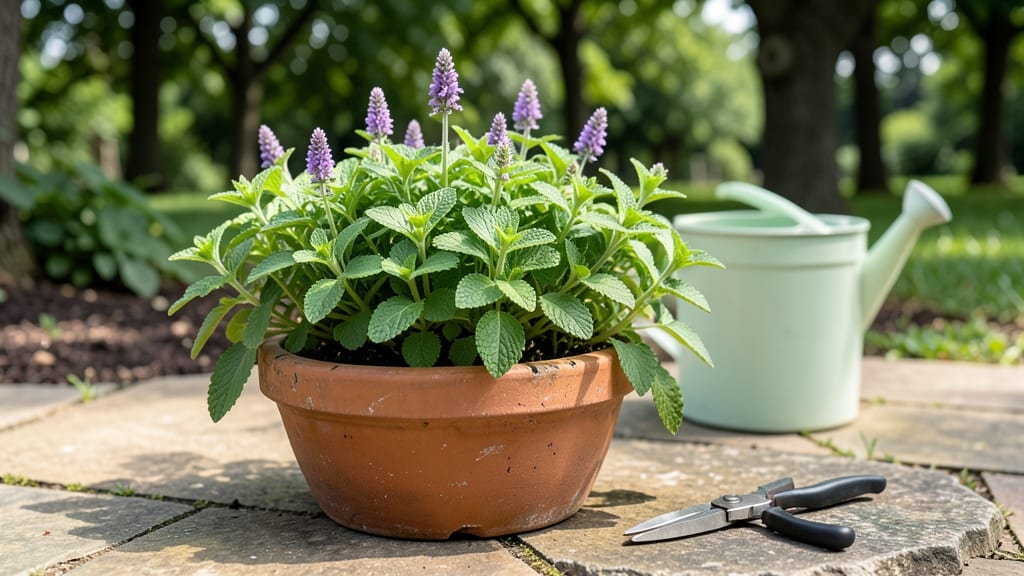
Planting peppermint seeds gives you a fast-growing herb that spreads like wildfire—but in a good way. 🌱 I’ve grown peppermint from seed three times now, and the first green shoots always appear within 5-7 days, making it one of the quickest herbs to start.
The trick? Keeping the soil consistently moist and warm, because peppermint hates drying out before germination.
You’ll need a shallow tray or small pots (peppermint roots run deep), well-draining potting mix, and a sunny windowsill or grow light. Plant seeds just ¼-inch deep, spaced 6 inches apart—because this herb will spread.
Once sprouted, thin to 12 inches if you want to control its territorial nature. It thrives in full sun to partial shade, but too much heat can make the leaves bitter.
By week 3, you’ll be pinching back new growth to encourage bushiness, and by summer, your patch will smell like a mountain breeze. The best part? Peppermint grows year-round in mild climates, and you can harvest leaves anytime.
Just be warned—it’s invasive, so containers are your best friend if you don’t want it taking over the garden.
If you’re impatient (like I was), consider starting with cuttings instead—they root faster and skip the germination gamble. But if you love the satisfaction of watching seeds turn into lush, fragrant plants, peppermint is the perfect project. Here’s how to avoid the most common pitfalls along the way.
📚 In This Guide
- What you need
- Instructions
- Tips and common mistakes
- Wrapping up and next steps
What you need
- ● Peppermint seeds: 1 packet (about 50-100 seeds, depending on the brand). Look for Mentha × piperita for true peppermint.
- ● Seed-starting containers: 2-4 small pots (3-4 inches deep) or a seed tray with cells. Ensure they have drainage holes!
- ● Seed-starting mix: 2-3 cups of sterile, well-draining potting soil (avoid garden soil—it’s too dense for seeds).
- ● Water: A spray bottle or small watering can with a fine rose attachment (to avoid disturbing seeds).
- ● Plastic wrap or humidity dome: To create a mini greenhouse effect and retain moisture.
- ● Grow lights or sunny windowsill: Peppermint seeds need light to germinate (6-8 hours of indirect sunlight or a grow light 6 inches above the tray).
- ● A small hand trowel for gently pressing seeds into soil.
- ● Plant labels and a marker (to track varieties if testing different types).
- ● Fertilizer (balanced, water-soluble, like 10-10-10) for after germination (dilute to half-strength!).
- ● Misting spray bottle for consistent moisture control.
- ● Warmth: Keep soil at 70-75°F (21-24°C) for optimal germination (a heating mat helps if your home is chilly).
- ● Patience: Peppermint seeds germinate in 14-30 days—stay consistent with care!
- ● Space planning: Peppermint spreads aggressively! Plan for a container at least 12 inches wide or a dedicated bed with barriers.
Step-by-step instructions for planting peppermint seeds
Peppermint thrives with speed—expect germination in just 7-14 days when you follow these precise steps.
🌱 Step 1: Prepare Containers and Soil for Fast Germination
Use 6-inch diameter pots with drainage holes—peppermint roots spread aggressively, so one plant per container prevents overcrowding. Fill each pot with 2 inches of moistened seed-starting mix, pressing gently to remove air pockets. The soil should hold moisture like a damp sponge but not drip water.
Here's the thing—peppermint seeds need consistent moisture to germinate quickly. I like to pre-soak the seed-starting mix for 10 minutes before planting. This ensures the soil stays evenly damp without the risk of waterlogging, which can rot seeds before they sprout.
🌱 Step 2: Sow Seeds at the Right Depth for Speed
Scatter 3-4 seeds per pot on the soil surface—peppermint seeds are tiny, so I use a toothpick to space them evenly. Press them lightly into the top ¼ inch of soil; planting too deep slows germination. Cover with a thin layer of vermiculite or fine sand to help retain moisture.
Mist the surface with a spray bottle until the soil looks uniformly damp. Avoid heavy watering—you'll see seeds wash away or bury too deep. Place the pots in a clear plastic bag or under a humidity dome to trap warmth and moisture, which speeds up germination. This is the moment that matters: keeping seeds warm and moist accelerates sprouting from 10-14 days to just 7 days.
☀️ Step 3: Provide Warmth and Light for Rapid Growth
Peppermint seeds germinate fastest at 70-75°F. Place the pots in a warm spot, like on top of a refrigerator or near a heat vent. A seedling heat mat set to 75°F ensures consistent warmth without extra effort. Once seeds sprout, move them to a location with bright, indirect light—direct sun can scorch tender seedlings.
You'll see the first true leaves emerge within 10-14 days after planting. At this stage, remove the humidity dome to prevent fungal growth. Peppermint seedlings grow quickly, so thin to the strongest plant per pot within 3-4 weeks. Weak stems snap easily—gently grasp and pull, leaving the healthiest seedling.
💧 Step 4: Water and Fertilize for Vigorous Year-Round Growth
Water when the top ½ inch of soil feels dry—peppermint prefers consistently moist soil but hates soggy roots. Use room-temperature water to avoid shocking the plants. Once seedlings reach 3 inches tall, switch to a balanced liquid fertilizer diluted to half-strength every 4-6 weeks to encourage lush, fast growth.
Real talk: Peppermint grows aggressively, so prune stems back by ⅓ when they reach 6 inches to encourage bushier growth. This step keeps plants compact and prevents them from becoming leggy. Harvest leaves regularly to promote new growth—you'll have fresh peppermint in just 8-10 weeks from seed!
⏰ Step 5: Harden Off and Transplant for Outdoor Success
Two weeks before your last frost date, start hardening off seedlings by placing them outside in a sheltered spot for 1-2 hours daily. Gradually increase their outdoor time over 7-10 days, shielding them from direct sun initially. Peppermint thrives in partial shade, so avoid full sun until plants are fully acclimated.
Transplant outdoors after the last frost, spacing plants 18-24 inches apart in well-draining soil. Mulch with 2 inches of straw or wood chips to retain moisture and suppress weeds. With proper care, your peppermint will grow vigorously year-round, providing fresh leaves for teas, garnishes, or culinary uses.
Tips & tricks for perfect peppermint seed germination
Here's what nobody tells you about speeding up those tiny peppermint seeds—these tricks cut germination time in half!
Soil Prep Secret: That 10-minute pre-soak for the seed-starting mix is non-negotiable. I've seen seeds rot before they sprout when soil wasn't properly hydrated. Fill your pots with the moistened mix, then press down firmly—this eliminates air pockets that can starve your seeds. For extra insurance, I add a sprinkle of perlite to the top inch of soil before planting. This creates tiny air pockets that help maintain oxygen flow while keeping moisture levels perfect.
Temperature Control: The 70-75°F range isn't just a suggestion—it's the sweet spot for peppermint seeds. I keep my seed trays on top of my refrigerator during the day (it stays at exactly 75°F) and move them to a warm spot at night. If you don't have a heat mat, try placing pots near a south-facing window with a space heater on low. The key is consistency—fluctuations slow germination. Pro tip: Wrap your pots in clear plastic wrap (not airtight) to create a mini greenhouse effect that maintains warmth without overheating.
Thinning Strategy: Those 3-4 weeks for thinning might seem long, but don't wait until you see seedlings crowding. Thin when plants reach about 1 inch tall—this gives the strongest seedling maximum room to develop. I use a pair of clean scissors to snip unwanted sprouts at soil level rather than pulling, which prevents disturbing the roots of remaining plants. The plants you keep will reward you with bushier growth and stronger stems.
Lighting Hack: Bright, indirect light is crucial after germination, but most people overlook the transition. Start seedlings under fluorescent grow lights 6 inches away for 12-14 hours daily. As they grow, gradually increase the distance to 12 inches to prevent legginess. I've found that a simple LED bulb designed for seedlings works just as well as expensive grow lights—just make sure it covers the full spectrum. Remember, direct sunlight at this stage will scorch those delicate leaves.
Pro Tips for Planting Peppermint Seeds
- Here's what nobody tells you about speeding up those tiny peppermint seeds—these tricks cut germination time in half!
- Soil Prep Secret: That 10-minute pre-soak for the seed-starting mix is non-negotiable. I've seen seeds rot before the...
- Temperature Control: The 70-75°F range isn't just a suggestion—it's the sweet spot for peppermint seeds. I keep my se...
Frequently asked questions
Got questions about growing peppermint from seeds? Here are some of the most common ones—plus quick, actionable answers to help you succeed!
How long does it take for peppermint seeds to germinate?
Peppermint seeds typically germinate in 14–30 days, depending on soil warmth and moisture. For faster results, keep the soil consistently moist (not soggy!) and maintain a temperature of 65–75°F (18–24°C). Patience pays off—just avoid disturbing the soil while waiting!
Can I plant peppermint seeds year-round, or is there a best time?
Peppermint thrives in spring or early summer (after the last frost) for the best start. However, you can plant seeds indoors 8–10 weeks before your last frost date or in late summer for fall harvests. Just avoid planting in hot summer months—peppermint hates extreme heat!
Why aren’t my peppermint seeds sprouting? Troubleshooting tips?
If your seeds aren’t germinating, check these common issues:
- Too cold: Peppermint needs warmth—use a heat mat if needed.
- Poor soil contact: Press seeds lightly into soil (they need light to germinate).
- Dry soil: Keep soil damp (not waterlogged) with a humidity dome.
- Old seeds: Peppermint seeds lose viability quickly—use fresh seeds (or try cuttings instead).
Is it easier to grow peppermint from seeds or cuttings?
While you can grow peppermint from seeds, it’s much faster and easier to use cuttings! Seeds take longer to mature, and peppermint often grows more vigorously from established plants. If you’re a beginner, try propagating from a friend’s plant or buying starter cuttings for a quicker harvest.
Can I grow peppermint in containers, or does it need a garden bed?
Peppermint thrives in containers (5+ gallons) to control its aggressive roots. Use well-draining soil and place pots in partial shade (especially in hot climates). Just avoid planting it in garden beds unless you want it to spread everywhere—it’s a powerful invader!
Wrapping up and next steps
Growing peppermint from seeds is a rewarding journey that brings fresh, fragrant herbs to your garden year-round! 🌱 With the right soil, sunlight, and patience, you’ll soon enjoy the soothing scent and versatile uses of this fast-growing herb.
Whether you’re a beginner or a seasoned gardener, every step—from seed selection to harvesting—contributes to a thriving mint patch.
Now that you’re armed with the know-how, take the next step and start your peppermint seeds today! Grab your supplies, find a sunny spot, and watch your garden transform. Happy planting—your future cups of tea (or cocktails!) are waiting! 🍃