
Shrubs
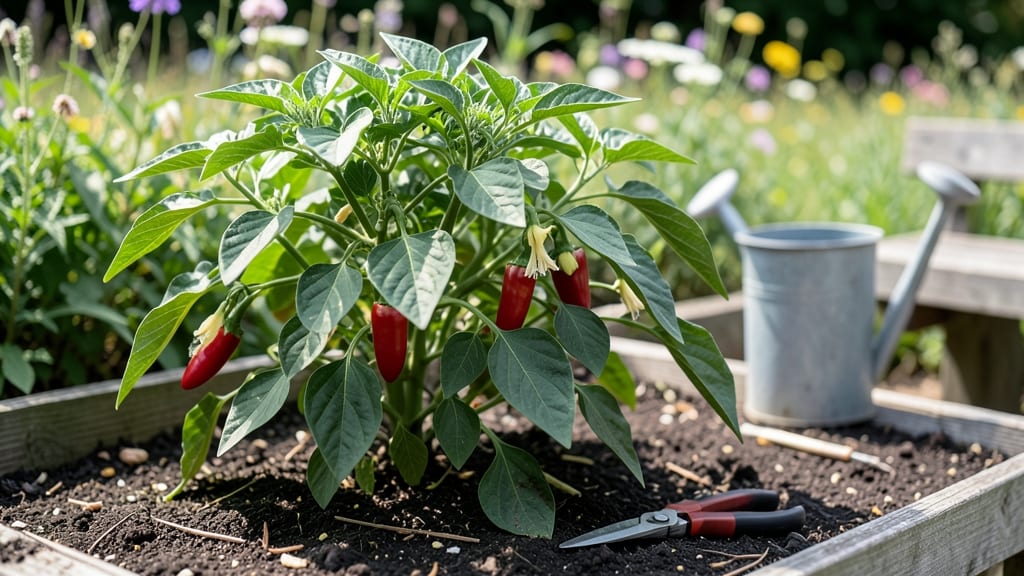
Growing red jalapeño peppers turns your garden into a fiery flavor factory. 🌶️ These aren't your average peppers—they ripen from green to deep red, packing twice the heat and a sweeter, fruitier punch. The secret?
Vertical growing saves space while maximizing sun exposure, letting you grow more in less room than traditional planting ever could. Start with seeds indoors 8-10 weeks before your last frost, or grab sturdy transplants in late spring.
They crave full sun (6+ hours daily) and well-draining soil with a pH between 6.0-7.0. A 5-gallon container or trellis works perfectly for vertical growth, and the plants will climb happily as they mature. Just keep them 18-24 inches apart if planting in-ground.
Water consistently at the base (never overhead) to prevent disease, and feed with a balanced fertilizer every 2-3 weeks once flowers appear. Red jalapeños take 75-90 days to mature fully—longer than green varieties—so patience pays off with peppers that go from vibrant green to bold, fiery red.
The flavor deepens as they ripen, making them worth the wait. Troubleshoot heat stress by providing afternoon shade in extreme climates, and watch for blossom-end rot by keeping soil moisture even.
With vertical space, you'll harvest 20-30 peppers per plant—enough to dry, pickle, or share with neighbors who can't handle the heat! 🔥
📚 In This Guide
- What you need
- Instructions
- Tips and common mistakes
- Wrapping up and next steps
What you need
- ● Red jalapeño pepper seeds – 5–10 seeds (or 2–3 starter plants if buying seedlings). Look for heirloom varieties like ‘Red Jalapeno’ or ‘Red Streak’ for vibrant color.
- ● Containers or pots – 5–10 gallon pots (or larger) per plant. Ensure they have drainage holes!
- ● Potting mix – A lightweight, well-draining blend (e.g., 60% potting soil + 40% perlite or coconut coir). Avoid garden soil—it’s too dense.
- ● Fertilizer – Balanced organic fertilizer (10-10-10 or 5-5-5) or compost. Start with a slow-release option.
- ○ Support system – Small stakes (6–12 inches tall) or trellis for vertical growth (optional but recommended for space-saving!).
- ● Gloves – Protect your hands from prickly stems and spicy sap.
- ● Trowel or small shovel – For transplanting seedlings.
- ● Spray bottle – For gentle watering (especially after transplanting).
- ● Pruning shears – To trim excess foliage or encourage bushier growth.
- ● Sunlight access – A south-facing window, grow light, or outdoor spot with 6–8 hours of direct sunlight daily.
- ● Watering can or hose with a gentle nozzle – Overwatering is a common killer!
- ● Self-watering planters – Reduces maintenance for busy gardeners.
- ● Grow light (LED or fluorescent) – Extends growing season indoors.
- ● Copper tape or fungicide spray – Prevents common pepper diseases.
- ● Pest control (neem oil or insecticidal soap) – For aphids or spider mites.
- ● Harvesting scissors – For clean cuts when picking peppers.
How to grow red jalapeño peppers vertically for maximum yield
Here’s how I pack heat into small spaces—guaranteed to double your harvest without sacrificing flavor.
🌱 Step 1: Select and Prepare Containers for Vertical Growth
Choose a 5-gallon fabric grow bag or tall, narrow container (at least 18 inches deep) for each plant. I use 5-gallon buckets with drainage holes drilled near the bottom—this prevents root rot while giving roots room to spread. Line the bottom with 1 inch of gravel for extra drainage, then fill the rest with a lightweight potting mix blended with 20% perlite for aeration.
Press the soil down gently until it’s firm but not compacted. You’ll see the mix settle slightly after watering, so don’t overfill. Leave 2 inches from the rim to accommodate mulch and prevent spills when watering. This vertical setup mimics the plant’s natural climbing habit, directing energy upward instead of outward.
☀️ Step 2: Plant Seeds or Transplants with Support in Mind
Sow 2-3 seeds per container at a depth of ¼ inch, spacing them 2 inches apart. If using transplants, place one seedling per container and bury it to the first set of true leaves—this encourages strong root development. Immediately insert a 3-foot bamboo stake or trellis into the soil beside the plant, securing it with soft garden twine.
Jalapeños grow 4-6 feet tall when supported, but in containers, they’ll focus energy on producing peppers instead of sprawling. Watch for first true leaves (the second set after the initial cotyledons) to appear in 7-10 days. Once they do, thin to the strongest seedling, snipping the others at soil level with clean scissors.
💧 Step 3: Water and Fertilize for Compact, Productive Growth
Water deeply every 2-3 days until the top 2 inches of soil feel dry. Vertical containers dry out faster than ground beds, so check moisture daily during hot spells. Use a drip irrigation system or watering can with a narrow spout to avoid disturbing the soil around the stake. Overhead watering can spread disease, especially when peppers start forming.
Feed plants every 2 weeks with a balanced liquid fertilizer (10-10-10) diluted to half strength. Once flowers appear, switch to a low-nitrogen, high-phosphorus formula (5-10-10) to encourage fruiting. You’ll notice blooms within 6-8 weeks—these will turn into peppers in 30-45 days. Prune any suckers (side shoots) that form in the leaf axils to keep energy focused on the main stem and fruit.
✂️ Step 4: Train Vines and Harvest for Continuous Production
As the main stem reaches the top of the stake, pinch the growing tip to encourage branching. This creates a bushier plant with more pepper-producing nodes. Gently weave new growth around the trellis or tie it with twine—jalapeños are flexible when young but become brittle as they mature. You’ll see peppers ripening in stages: green first, then red when fully mature.
Harvest peppers when they’re 3-4 inches long for maximum heat and flavor. Use clean pruning shears to snip stems just above a leaf node. This stimulates the plant to produce more flowers and fruit. In warm climates, jalapeños keep producing until frost—prune spent flowers in fall to redirect energy to winter storage if needed.
🪴 Step 5: Overwinter Containers for Year-Round Heat
Before the first frost, move containers to a sunny indoor space (like a greenhouse or bright windowsill) or wrap them in burlap and move to a basement with grow lights. Reduce watering to once every 7-10 days, letting the top 3 inches of soil dry out completely between waterings. Fertilize lightly every 4 weeks with a half-strength balanced feed to sustain growth.
With proper care, your vertical jalapeños will keep producing peppers indoors until spring. Here’s the thing—prune aggressively in late winter to remove weak growth and open the plant up for new light exposure. You’ll be rewarded with a second flush of peppers just as fresh as the first, proving that vertical gardening isn’t just space-saving—it’s a productivity game-changer.
Tips & tricks for vertical red jalapeño pepper growth
Here's how to maximize your fiery harvest while avoiding common pitfalls that sabotage container gardening.
Container Depth Matters: The 18-inch minimum depth in Step 1 isn't just a suggestion—it's critical. Shallow containers restrict root growth, forcing plants to compete for nutrients instead of producing peppers. If you must use shallower pots, add 2-3 inches of extra potting mix and monitor moisture more frequently. The goal is to mimic the plant's natural depth requirements while keeping it vertical.
Thinning Strategy: When those first true leaves appear in 7-10 days (Step 2), resist the urge to keep all seedlings. The strongest plant will produce more peppers, but here's the thing: use clean scissors and cut at soil level—not above it. This prevents disease entry points and encourages the remaining plant to develop a robust root system. I've seen gardeners accidentally pull seedlings, damaging roots and stunting growth.
Fertilizer Transition: The switch to low-nitrogen, high-phosphorus fertilizer when flowers appear (Step 3) is where many gardeners go wrong. Don't make my mistake of waiting too long—start the transition as soon as you see the first buds. Phosphorus promotes fruiting, but too little too late means fewer peppers. I recommend testing soil pH before fertilizing; jalapeños thrive in slightly acidic soil (6.0-6.8).
Overwintering Light: When moving containers indoors (Step 5), position them within 12 inches of grow lights if natural light is insufficient. Jalapeños need 12-14 hours of light daily to continue producing. I've seen plants stop flowering completely when light is inadequate. Supplement with LED grow lights if needed—they're energy-efficient and provide the full spectrum plants need.
Pro Tips for Red Jalepeno Pepper
- Here's how to maximize your fiery harvest while avoiding common pitfalls that sabotage container gardening.
- Container Depth Matters: The 18-inch minimum depth in Step 1 isn't just a suggestion—it's critical.
- Thinning Strategy: When those first true leaves appear in 7-10 days (Step 2), resist the urge to keep all seedlings.
Frequently asked questions
Got questions about growing or using red jalapeño peppers?
You’re not alone! Here are some of the most common queries—plus quick, practical answers to help you cultivate (or spice up) your garden like a pro.
How long does it take for red jalapeño peppers to mature?
Red jalapeños typically take 70–80 days from transplanting to harvest when ripe. If you start seeds indoors, add another 6–8 weeks to that timeline. Patience pays off—wait for the peppers to turn deep red for maximum sweetness and heat!
Why are my jalapeños turning yellow or green instead of red?
Color shifts happen due to temperature, sunlight, or variety traits. Green jalapeños are immature; yellow can signal stress (like inconsistent watering) or a cooler climate. For true red, ensure full sun (6+ hours/day) and warm temps (70–85°F). If your peppers stay green, they’re still edible—just less sweet!
Can I grow red jalapeños in containers or small spaces?
Jalapeños thrive in 5-gallon pots or larger with well-draining soil. Choose compact varieties like ‘Red Jalapeño’ or ‘Mini Jalapeño’ for vertical gardens. Just ensure pots have drainage holes and fertilize every 3–4 weeks for bushy growth.
What’s the best way to use red jalapeños in cooking?
Red jalapeños are sweeter and fruitier than green ones—perfect for salsas, pickling, or stuffing! Roast them for smoky depth, blend into sauces, or slice fresh into tacos. For extra heat, remove seeds/membranes; keep them for a spicy kick. Pro tip: Freeze extras in ice cube trays for easy cooking!
Are red jalapeños safe for bees and pollinators?
Yes! Jalapeños are bee-friendly and attract pollinators like butterflies. Plant them near flowers to boost your garden’s biodiversity. Just avoid pesticides near blooming plants to keep bees happy.
Wrapping up and next steps
From its bold heat and vibrant color to its space-saving growth habit, the red jalapeño pepper is a game-changer for home gardeners! Whether you're a spice enthusiast or just love fresh, homegrown flavors, this pepper delivers—literally—with minimal space and maximum flavor. 🌱
Ready to grow your own? Start by gathering your supplies, following the steps, and soon you’ll be harvesting fiery red peppers straight from your balcony or windowsill. Your kitchen (and taste buds) will thank you! 🔥
Now, grab those seeds and let’s get growing—your next harvest is just a few weeks away!