
Shrubs
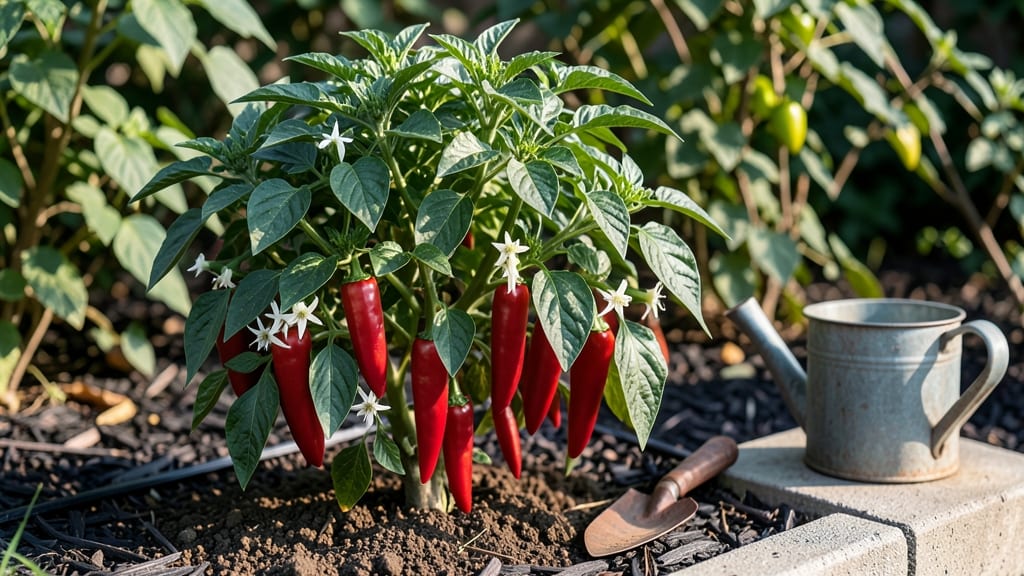
Growing Red Rocket peppers is like cultivating a tiny firecracker in your garden—55 days from seed to harvest, these slender beauties pack serious heat and vertical growing potential. 🌱 I learned the hard way that patience is key: rushing the transplant can turn a fiery harvest into a sad, stunted plant.
The secret lies in giving them the right start—whether you're growing them indoors first or planting directly in warm soil.
These peppers thrive in full sun and well-draining soil, but they're surprisingly adaptable. I use a mix of compost and potting soil to keep them happy, and a 5-gallon container works perfectly for vertical growth—just add a trellis or cage to let them climb.
Water consistently but avoid soggy soil, which is where blossom end rot sneaks in. A balanced fertilizer every 4-6 weeks keeps them producing until frost.
By day 55, you'll be snipping bright red, 6-inch-long peppers that pack a 75,000 Scoville heat punch—perfect for sauces, pickling, or just showing off. The key to maximizing yield?
Prune early to encourage branching, and harvest regularly to keep the plant focused on producing more. (Yes, they will keep growing if you give them space.)
Even in small spaces, these peppers deliver big results. Whether you're growing them in a sunny windowsill or a backyard bed, the vertical habit saves room while packing in the heat.
Just watch out for aphids—they love these peppers too—and spray with neem oil if you spot them. Trust me, the harvest makes the effort worth it.
📚 In This Guide
- What you need
- Instructions
- Tips and common mistakes
- Wrapping up and next steps
What you need
- ● Red Rocket pepper seeds – 5–10 seeds (or 1–2 plants if transplanting). Opt for organic, non-GMO seeds for best results.
- ● Growing containers – 5–7 gallon pots (or a vertical garden tower with individual pockets). Ensure they have drainage holes to prevent root rot.
- ● High-quality potting mix – A well-draining, nutrient-rich blend (e.g., 60% peat moss, 30% perlite, 10% compost). Avoid garden soil—it compacts too easily!
- ● Fertilizer – A balanced, organic fertilizer (e.g., 5-5-5 or 10-10-10) or a pepper-specific formula like fish emulsion. Start with a half-strength dose to avoid burning seedlings.
- ● Grow lights or sunny windowsill – 12–16 hours of light daily (LED grow lights work great for indoor setups). South-facing windows are ideal if growing outdoors.
- ● Trellis or vertical support – A 5–6 foot tall trellis, stakes, or a DIY cage (e.g., bamboo stakes or a tomato cage). Red Rockets can grow 3–4 feet tall!
- ● Spray bottle – For gentle watering of seedlings to avoid disturbing the soil.
- ● Pruning shears – Sterilized shears for trimming and shaping plants.
- ● Seedling heat mat – Keeps soil 70–80°F for faster germination (critical if starting indoors!).
- ● pH test kit – Peppers thrive in soil pH 6.0–6.8. Adjust with lime (to raise pH) or sulfur (to lower pH) if needed.
- ● Compost tea or worm castings – Boosts microbial activity and nutrient uptake.
- ● Plant ties or soft twine – Secures vines to trellises without damaging stems.
- ● Harvest basket or scissors – For clean, snip cuts (never tear peppers!).
- ● Pest control – Neem oil or insecticidal soap (prevents aphids and spider mites).
How to grow red Rocket peppers vertically for fast heat
Here's how I get fiery harvests in just 55 days—perfect for small spaces and impatient growers.
🌱 Step 1: Start Seeds Indoors 8-10 Weeks Before Last Frost
Red Rocket peppers need warmth to germinate quickly, so I use a seedling heat mat set to 80-85°F. Fill biodegradable pots with sterile seed-starting mix (never garden soil) and plant seeds ¼ inch deep. Press gently—these seeds need firm contact to sprout reliably.
Cover the tray with plastic wrap to trap humidity, then place under grow lights on a 14-hour daily cycle. Germination takes 7-14 days—patience here pays off. The moment you see first true leaves (not the initial cotyledons), remove the plastic immediately to prevent damping-off.
☀️ Step 2: Transition to Vertical Training at 4-6 Weeks
When seedlings reach 6-8 inches tall with 4-6 true leaves, it's time to introduce vertical support. I use a 5-foot tall trellis or tomato cage placed beside each plant. Gently tie the main stem to the support with soft plant ties—never wrap tightly, or you'll strangle the stem.
Pinch off any side shoots that appear below the first flower cluster. This redirects energy to the main stem and speeds up fruit production. Red Rocket peppers grow 12-18 inches tall when trained vertically, so adjust your support accordingly. Watch for first flower buds—they'll appear 6-8 weeks after sowing.
💧 Step 3: Maintain Consistent Heat and Watering
Red Rockets thrive in full sun (6-8 hours daily) and temperatures between 70-85°F. If your climate dips below 55°F, bring pots indoors near a sunny window. Water at the base every 2-3 days, ensuring the top 2 inches of soil dry out between waterings—overwatering causes blossom-end rot.
Feed with balanced liquid fertilizer (10-10-10) every 2 weeks once flowers appear. You'll know your plant is happy when it produces bright yellow flowers followed by small green peppers within 3-4 weeks. Red Rocket peppers turn red in 55 days from transplant, so mark your calendar.
✂️ Step 4: Harvest and Prune for Continuous Production
Harvest peppers when they reach 3-4 inches long for maximum heat. Use clean pruning shears to snip the stem just above a leaf node—this encourages more fruit to develop. Red Rocket peppers are prolific, so I harvest every 2-3 days during peak season to keep production going.
After the first harvest wave, prune back any leggy growth and fertilize again. If your plant looks stressed (yellowing leaves, slow growth), reduce water slightly and move it to a sunnier spot. With proper care, a single Red Rocket plant yields 20-30 peppers per season—enough for hot sauces, drying, or sharing with fellow spice lovers.
Tips & tricks for growing fiery red Rocket peppers
Real talk: These peppers are finicky but worth it. Here's what nobody tells you about getting that 55-day harvest right.
Heat Mat Hack: If you don't have a seedling heat mat, try placing your pots on top of your refrigerator (the coils create warm air). I've also used a simple incandescent bulb aimed at the tray—just keep it 6 inches away to maintain that 80-85°F range without overheating. The key is consistency; these seeds need steady warmth to break dormancy.
Lighting Secret: Those 14-hour grow light cycles are non-negotiable for indoor starts. I use LED grow lights because they're energy-efficient, but fluorescent bulbs work too. Position lights just 2-3 inches above seedlings—they'll grow toward the light, which strengthens stems for when you move them to vertical supports later.
Vertical Support Upgrade: For the 5-foot trellis in Step 2, I recommend using a sturdy metal cage instead of wood if you're growing multiple plants. Metal won't rot and can support the weight of heavy pepper harvests. When tying stems, use soft plant ties or even old t-shirts cut into strips—they're gentle on young stems and won't cut into them as they grow.
Harvest Timing: The 3-4 inch size guideline is perfect for hot sauces, but if you want milder peppers, let them grow to 5-6 inches. I harvest mine at 3-4 inches because that's when they pack maximum capsaicin—the compound that gives them their kick. Just watch for the color change from green to red, which happens around 55 days from transplant.
Pro Tips for Red Rocket Pepper
- Real talk: These peppers are finicky but worth it. Here's what nobody tells you about getting that 55-day harvest right.
- Heat Mat Hack: If you don't have a seedling heat mat, try placing your pots on top of your refrigerator (the coils cr...
- Lighting Secret: Those 14-hour grow light cycles are non-negotiable for indoor starts. I use LED grow lights because ...
Frequently asked questions
Got questions about growing and using red rocket peppers? You’re not alone! Here are answers to the most common queries—from planting to harvest and beyond.
How long does it take for red rocket peppers to mature?
The red rocket pepper is a fast grower—expect fruit in about 55–65 days from transplanting, depending on warmth and care. Start seeds indoors 8–10 weeks before your last frost for a head start. Pro tip: Keep soil temps above 60°F (15°C) to speed up germination and growth.
Are red rocket peppers really spicy? How do I handle the heat?
Yes! These peppers pack a Scoville heat of 35,000–100,000 SHU—hotter than jalapeños but milder than habaneros. Wear gloves when handling if you’re sensitive, and avoid touching your face. Troubleshooting tip: If the heat burns your mouth, balance it with dairy (like yogurt or cheese) or citrus.
Can I grow red rocket peppers in containers? What’s the best setup?
They thrive in 5-gallon pots or larger with well-draining soil and full sun (6+ hours daily). Use a trellis or cage to support their vining growth—red rockets can reach 3–4 feet tall. Container hack: Add composted worm castings for extra nutrients.
When should I harvest red rocket peppers? How do I know they’re ready?
Harvest when peppers turn deep red and firm (about 55–65 days after transplanting). Snip stems with scissors to avoid damaging the plant. Harvest tip: Pick consistently to encourage more production—unpicked peppers may turn bitter or drop prematurely.
What are the best ways to use red rocket peppers in cooking?
These peppers shine in salsas, hot sauces, stir-fries, and grilled dishes—their fruity heat pairs well with tomatoes, onions, and meats. Storage trick: Freeze whole or chopped in oil for later use. Warning: Start with small amounts; their heat builds!
What pests or diseases should I watch for with red rocket peppers?
Common issues include aphids, spider mites, and powdery mildew (especially in humid climates). Preventative tip: Spray neem oil weekly and ensure good airflow. Remove yellowing leaves promptly to stop fungal spread.
Wrapping up and next steps
Growing your own Red Rocket pepper is a rewarding journey that brings bold flavors and fiery excitement to your kitchen in just 55 days! Whether you're a seasoned gardener or a curious beginner, this vibrant pepper thrives with minimal space and care—perfect for balconies, windowsills, or vertical gardens. 🌱✨
Now that you’re equipped with the right knowledge, roll up your sleeves and get planting! Start with a single seed or seedling, and soon you’ll be harvesting peppers to spice up everything from salsas to homemade hot sauces. Happy growing—and may your harvest be hot and plentiful!
Next step: Mark your calendar for 55 days from planting and enjoy the thrill of watching your fiery red rockets grow!