
Vegetables
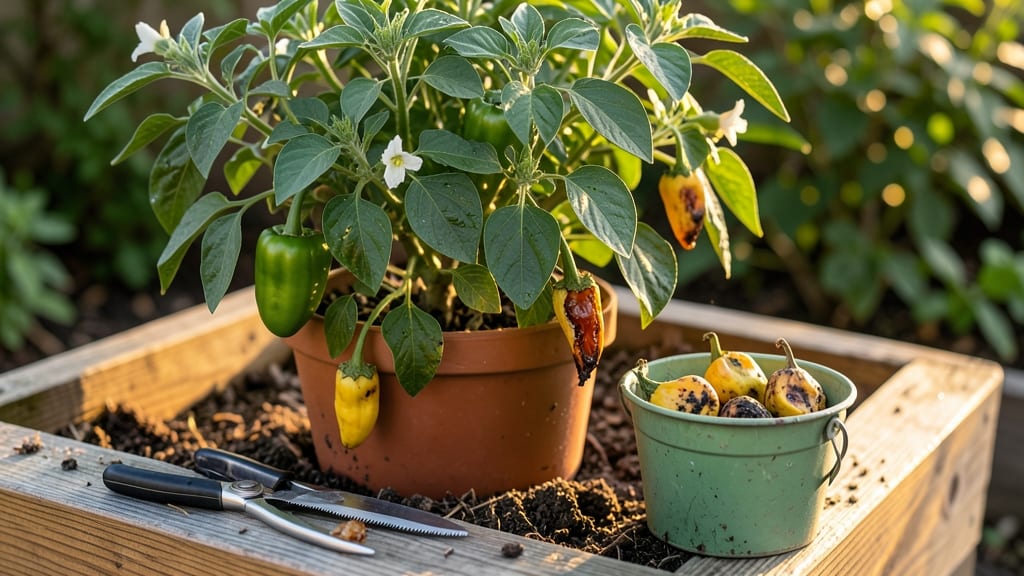
Before you toss that rotten green pepper into the compost, take a closer look—wrinkled, soft spots don’t always mean the end. 🌱 I’ve pulled peppers back from the brink of rot more times than I’d like to admit, and the fix often comes down to quick... action and the right care.
The key is catching it early, when the pepper is still salvageable and not fully mushy.
Rot usually starts with overwatering or poor drainage, creating the perfect damp conditions for fungal infections like phytophthora or bacterial soft rot. You’ll spot it as soft, discolored patches that sink when you press them—sometimes with a foul smell.
If caught in time, you can still save the pepper and prevent the rot from spreading to others.
Here’s the good news: pruning damaged areas and adjusting your watering routine can revive struggling peppers. For severe cases, a copper fungicide or baking soda spray (1 teaspoon per quart of water) helps fight the infection.
The goal is to dry out the plant just enough so it can bounce back—no more soggy soil or wilting leaves.
Prevention is easier than fixing it later: water at the base, not overhead, and ensure your peppers have good airflow between plants. If your soil drains poorly, mix in some compost or sand to improve texture.
With these tweaks, your peppers will stay firm, crisp, and ready for the kitchen—no more sad, wrinkled rejects.
The Hidden Triggers Behind Spoilage
Ever pulled a green pepper from your fridge or pantry, only to find it limp, discolored, or downright mushy? 🥒💔 Spoilage isn’t just a random act of nature—it’s usually the result of specific conditions that kickstart decay.
Understanding the why behind a pepper’s rapid decline helps you prevent it (or revive it if it’s still salvageable). Let’s break down the science behind what turns crisp, vibrant peppers into sad, slimy relics.
Peppers are tropical plants, and they hate temperature swings. When exposed to extremes—whether too hot or too cold—their cellular structure breaks down faster. Here’s how it happens:
- Cold Damage (Chilling Injury):
Storing peppers below 40°F (4°C) triggers chilling injury, a physiological disorder that disrupts cell membranes. This causes:
- ❄️ Pitting or sunken spots on the skin (from collapsed cells).
- 🟡 Surface discoloration (yellowing, grayish patches).
- 💦 Excessive moisture loss, making them limp and rubbery.
Pro tip: 🌡️ Never store peppers in the fridge—opt for a cool, dark pantry (55–65°F / 13–18°C). If you must refrigerate, wrap them in a paper towel to absorb moisture.
- Heat Stress:
While peppers thrive in warmth, excessive heat (above 85°F / 29°C) speeds up respiration, depleting their natural sugars and firmness. Signs include:
- 🔥 Soft, mushy texture (cells break down faster).
- 🟣 Darkened or wilted tips (oxidation from overripening).
Actionable fix: 🌿 Store peppers away from heat sources (like stoves or sunny windows) and use them within 5–7 days of purchase.
Peppers are not like apples—they rot when overhydrated. Too much moisture creates the perfect breeding ground for mold and bacterial growth. Here’s how it unfolds:
| Issue | What Happens | Fix It Now |
|---|---|---|
| 💦 High Humidity | Condensation on pepper skins softens them, inviting Botrytis cinerea (gray mold) or Alternaria (black spots). | ✅ Store in a paper bag (not plastic) to absorb excess moisture. |
| 🚿 Waterlogged Storage | Washing peppers before storage traps water in the stem or cuts, leading to bacterial rot (Erwinia or Pseudomonas). | ✅ Pat dry thoroughly with a clean towel before storing. |
| 🧊 Condensation in Fridge | Cold surfaces + warm air = sweating, which accelerates decay. | ✅ Use ventilated containers or store in a sealed container with a dry paper towel. |
Pro tip: 🌡️ If your pepper is already damp, sprinkle it with cornstarch or baking soda (a natural antifungal) before storing.
A single bruise or cut can turn a pepper into a decay magnet. Here’s why:
- Broken Cell Walls:
When you drop, pierce, or slice a pepper, you rupture its protective skin and flesh. This exposes:
- 🧫 Starches and sugars (food for mold/bacteria).
- 💧 Moisture-rich tissues (ideal for microbial growth).
- Enzymatic Reactions:
Damaged cells release polyphenol oxidase (PPO), an enzyme that reacts with oxygen to create brown, slimy spots (like in an overripe avocado).
Actionable fix: 🛡️ Handle peppers gently—avoid stacking heavy items on them, and use a sharp knife (dull cuts crush cells). For sliced peppers, toss in lemon juice or vinegar to slow oxidation.
Peppers produce ethylene, a natural gas that triggers ripening (and spoilage) in nearby produce. But they’re also sensitive to ethylene from other fruits/veggies. Here’s the chain reaction:
- 🍎 Ethylene emitters (apples, bananas, tomatoes) release gas.
- 🥒 Peppers absorb it, speeding up their metabolic rate.
- 💥 Result: Softening, off-flavors, and premature rot.
Pro tip: 🚫 Never store peppers with:
- 🍌 Bananas
- 🍎 Apples
- 🍅 Tomatoes
- 🍋 Citrus fruits
Store them with: 🥬 Carrots, celery, or onions (low-ethylene produce).
Now that you know the culprits, you can outsmart spoilage! Next up: How to Revive Wrinkled Peppers in Minutes 🚀
Revive Your Peppers Quickly
Got a wrinkled, limp, or soft green pepper that looks past its prime? Don’t toss it yet! With a few simple tricks, you can often restore its crispness, texture, and even flavor.
Below are practical, fast fixes tailored to the most common causes of pepper degradation—plus tips to keep them fresh longer next time.
Cause: Dehydration from sitting too long or improper storage. Solution:
- 🍳 Soak in Ice Water (5-10 mins)
- Fill a bowl with cold water and ice cubes.
- Submerge the pepper(s) for 5-10 minutes—the cold shock helps plump up cells.
- Drain and pat dry with a paper towel.
- 🌡️ Warm Water Bath (For Stubborn Cases)
- Heat 1 cup of water (not boiling) in the microwave for 30 seconds.
- Soak the pepper in the warm water for 2-3 minutes, then rinse with cold water.
- Why? Warmth temporarily softens cell walls, while cold water "locks in" moisture.
- 🥗 Store Properly to Prevent Future Wrinkling
- Never refrigerate unwashed peppers—moisture speeds up spoilage.
- Wrap loosely in a paper towel inside a perforated plastic bag (or use a breathable produce bag).
- Store stem-side down in the crisper drawer (not the door).
Cause: Surface mold or early decay from ethylene gas (common in mixed veggie storage). Solution:
- ✂️ Trim Away the Bad (If Minor)
- Use a clean knife to cut off only the moldy areas (½ inch around the spot).
- Discard any peppers with deep discoloration or soft spots—mold can spread fast.
- 🧼 Sanitize Before Use
- Rinse the trimmed pepper under cool water, then soak in a 1:10 vinegar-to-water solution for 2 minutes to kill bacteria.
- Air-dry completely before cooking or storing.
- 🚫 Prevent Cross-Contamination
- Store mold-prone peppers separately from ethylene-producing fruits (apples, bananas).
- Use a shallow container (not airtight) to allow airflow.
Cause: Overripe peppers or improper handling (e.g., bruising). Solution:
- 🔥 Quick Cooking Revival
- Sauté or roast the pepper immediately—heat caramelizes natural sugars, masking softness.
- Toss with olive oil, salt, and a squeeze of lemon before cooking to brighten flavor.
- 🍲 Blend Into Sauces or Dips
- Puree soft peppers into salsas, hummus, or pestos—texture matters less in blended dishes.
- Add acid (lime juice) or spices (cumin, paprika) to enhance taste.
- 🌱 Regrow the Pepper (For Seedlings)
- If the pepper is still firm but wilted, try reviving it:
- Place the stem-end in water (like a flower) in a sunny spot.
- Some varieties (like bell peppers) may regrow slightly—great for kids’ science projects!
- If the pepper is still firm but wilted, try reviving it:
Cause: Oxidation (exposure to air) or age-related breakdown. Solution:
- 🍋 Acidic Water Soak
- Soak the pepper in lemon water (1 tbsp lemon juice per cup of water) for 5 minutes.
- The acidity slows browning and may restore some green pigment.
- 🥬 Use in Cooked Dishes
- Browning is less noticeable in stews, stir-fries, or stuffed peppers.
- Pair with strong flavors (garlic, cheese, or smoked paprika) to distract from discoloration.
- 📦 Store with a Paper Towel
- Wrap the pepper in a damp (not soaking) paper towel and refrigerate.
- Replace the towel every 2-3 days to maintain moisture without sogginess.
- 🌡️ Ideal Storage Temp: Keep peppers at 45–50°F (like a fridge’s crisper drawer).
- ❄️ Freeze for Later: Slice peppers, blanch for 2 minutes, then freeze in bags for up to 6 months.
- 🍅 Pair with Ethylene Absorbers: Place an apple slice in a paper bag with peppers to slow ripening (counterintuitive but works!).
- 🛒 Buy Partially Ripe: Peppers ripen after picking—choose firm but slightly green ones for longer shelf life.
Remember: Even "ruined" peppers can still be delicious—get creative! Whether you’re reviving crunch, hiding soft spots, or turning brown peppers into flavor bombs, these fixes save money and reduce waste. 🚀
Frequently asked questions
Can you save a pepper that's already moldy?
Only if the mold is superficial! Cut off ½ inch around any discolored spots with a clean knife, then rinse the pepper in a 1:10 vinegar-to-water solution for 2 minutes to kill bacteria. Discard any peppers with deep soft spots or foul odors—mold spreads fast and can't be fully removed.
Why do my green peppers get soft so quickly?
Peppers spoil fast due to ethylene gas (released by nearby fruits like apples) or overwatering in storage. They also hate cold temps below 40°F—refrigeration causes chilling injury. Store them at 55–65°F in a paper bag with a dry towel to absorb moisture.
Is it safe to eat a pepper with black spots?
Only if the spots are superficial and dry (like minor bruises). Cut away affected areas and cook the pepper immediately. Black spots often indicate Alternaria mold, which can cause stomach upset. For severe cases, toss it—better safe than sorry!
How long can I keep peppers fresh without refrigeration?
Unwashed peppers last 1–2 weeks at room temperature if stored in a paper bag with good airflow. Wrap them loosely in a towel to absorb moisture. Refrigeration extends life to 2–3 weeks, but avoid washing until ready to use.
Can I revive a pepper that's completely limp?
Try a 5-minute ice water soak to plump up cells, then pat dry. For stubborn cases, soak in warm (not hot) water for 2 minutes before rinsing with cold water. If it's mushy, use it in cooked dishes where texture matters less.