
Picking
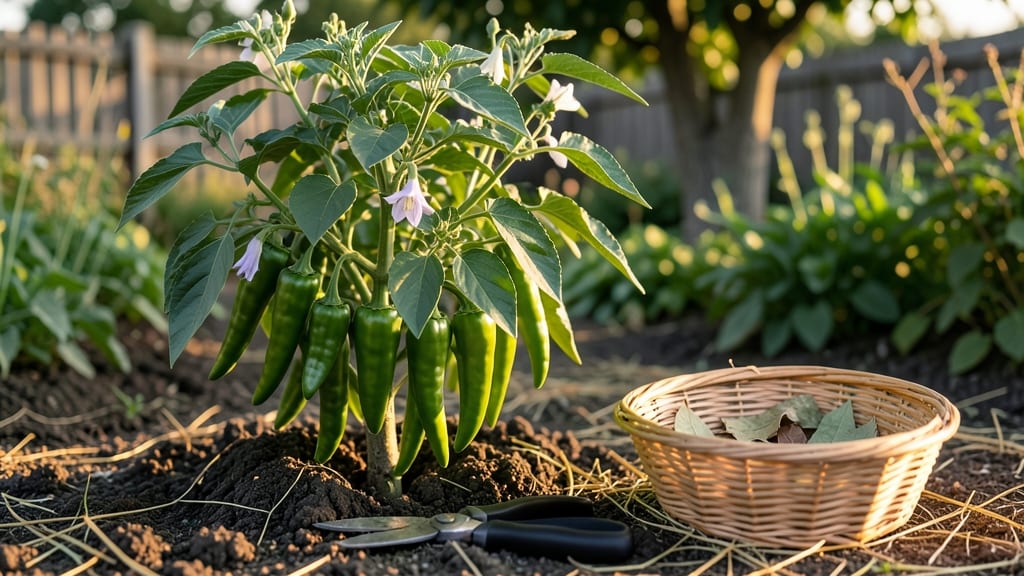
Most shishito peppers are rarely spicy because their capsaicin levels stay low, though a few pods occasionally deliver heat from genetic quirks. This mild profile makes them perfect for dipping in oil, while the rare fiery ones add thrilling surprises to dishes like blistered shishito salads.
Shishito peppers earn their reputation for mildness thanks to their naturally low capsaicin content—typically measuring between 100-500 Scoville Heat Units (SHU), compared to jalapeños' 2,500-8,000 SHU. 🔥 The occasional spicy pepper (often around 10,000 SHU) appears due to genetic mutations, creating the fun "surprise heat" factor.
This unpredictability is part of the experience, especially when grilling or frying them whole—just be ready to handle the occasional fiery bite!
To maximize enjoyment, I always recommend tasting shishitos fresh from the market, as their heat can vary by batch. 🌟 The milder ones shine in simple preparations like salted oil dipping sauce, while the spicier pods add excitement to stir-fries or salsas.
Pro tip: If you're sensitive to heat, remove the seeds and membranes before cooking—they concentrate the capsaicin!
💡 In This Article
- The Science Behind Shishito Pepper Mildness
- How to Identify and Handle Spicy Shishito Peppers
The science behind shishito pepper mildness
Shishito peppers stay mild because their capsaicin production is naturally suppressed compared to hotter varieties. These peppers typically contain just 0.0001% capsaicin by weight—about 100-500 Scoville Heat Units (SHU), making them roughly 25 times milder than a jalapeño (2,500-8,000 SHU).
The key lies in their genetics: shishitos belong to the Capsicum annuum species but have undergone selective breeding to minimize spiciness while maximizing flavor complexity, with notes of grass, umami, and subtle sweetness.
The capsaicin in shishitos concentrates primarily in the placenta (white pith) and seeds, not the flesh.
This is why removing these parts reduces heat risk—though even then, some pods may surprise you. 🌿 Temperature also plays a role: peppers grown in cooler climates (60-70°F) develop less capsaicin than those in warmer regions (80°F+).
Ripeness matters too—green shishitos are milder than fully red ones, which can reach 1,000-2,000 SHU if left on the vine too long.
What makes shishitos unique is their genetic variability. While most pods stay mild, 5-10% of a batch may contain mutations that boost capsaicin to 10,000 SHU or higher—equivalent to a mild jalapeño. This randomness creates the "Russian roulette" appeal of shishito dishes.
The mild majority ensures approachability, while the occasional fiery pod delivers excitement, much like the unpredictable heat of Thai bird's eye peppers but with a gentler average profile.
Comparing shishitos to other peppers highlights their balanced design. A habanero (100,000-350,000 SHU) would overwhelm their delicate flavor, while a bell pepper (0 SHU) lacks the subtle kick that makes shishitos so versatile.
Their 1-2% moisture content also contributes to their tender texture, which breaks down beautifully when blistered or fried, releasing aromatic oils that enhance their mild heat potential.
For home growers, choosing seeds labeled "mild shishito" increases your odds of low-heat batches. Commercial farms often select for consistency, but heirloom varieties may surprise you. 🌱 The trade-off?
Those occasional fiery pods become the highlight of dishes like shishito poke bowls or tempura, where their heat can be controlled by adjusting serving ratios—think 1 spicy pepper per 5 mild ones in a stir-fry.
Understanding this science helps explain why shishitos dominate Japanese izakaya culture. Their mildness makes them accessible to all diners, while the rare spicy pepper adds a playful challenge.
The same principle applies to modern fusion dishes, where their versatility shines in everything from shishito butter to cocktails—proof that great ingredients often thrive on balance.