
Vegetables
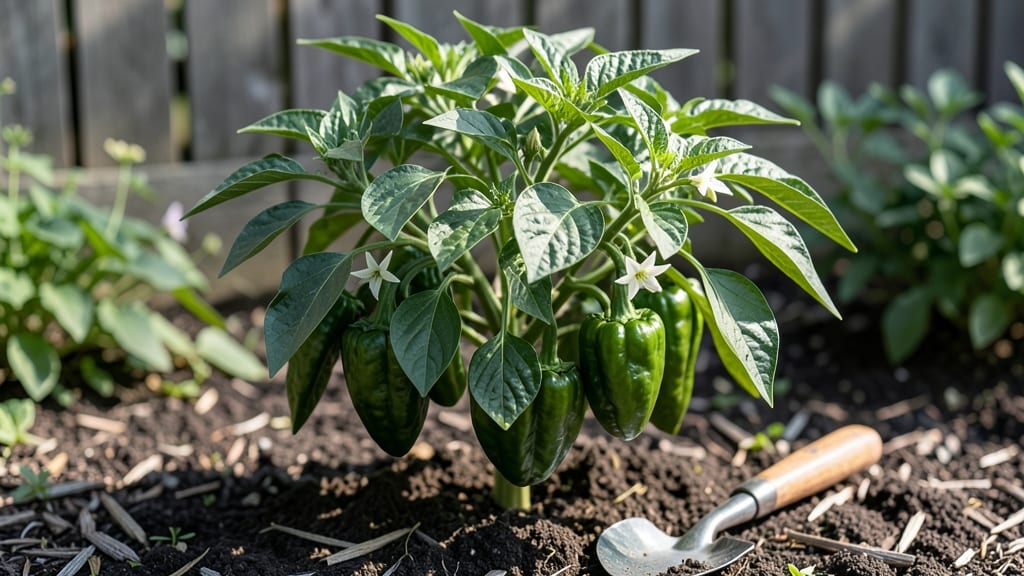
Your small green wrinkled peppers aren’t just a quirky heirloom variety—they’re likely signaling a hidden problem. 🌱 Bacterial spot, nutrient deficiencies, or pest damage can turn vibrant peppers into shrunken, puckered messes before they ripen.
The good news? Most causes have simple fixes, and I’ll walk you through diagnosing the issue by what you see on the plant.
Start by checking for telltale signs: wrinkled skin suggests bacterial spot or overwatering, while stunted growth points to nutrient deficiencies like calcium or boron. Tiny pests like aphids or mites leave behind webbing or sticky residue—wipe a leaf with a damp cloth to confirm.
Poor pollination (common in hot weather) can also stunt peppers, leaving them small and underdeveloped.
Treatment depends on the culprit: bacterial spot needs copper spray, nutrient issues respond to balanced fertilizer, and pests can be controlled with neem oil or insecticidal soap. Prune affected leaves immediately to stop the spread, and adjust your watering schedule—peppers hate soggy roots.
With the right fix, you’ll still get heat, just in properly sized peppers.
Prevention is easier than cleanup: rotate crops yearly, space plants for airflow, and test your soil before planting. These steps keep peppers thriving—wrinkle-free and full of flavor. Let’s get those plants back on track.
The Science Behind Peppers Stunting
Peppers that stay small, green, and wrinkled aren’t just a quirky garden oddity—they’re often a sign of underlying stress or environmental mismanagement. Understanding the root causes helps gardeners (and chefs!) troubleshoot before the harvest.
Below, we break down the key factors that lead to undersized, wrinkled peppers, complete with actionable fixes.
Peppers are tropical plants at heart, and they hate when the mercury swings too far from their comfort zone. Ideal temperatures for pepper growth hover between 70–85°F (21–29°C) during the day and 60–70°F (15–21°C) at night. When conditions stray outside this range, peppers respond in predictable (and frustrating) ways:
- Cold Stress (Below 50°F/10°C): - Why it happens: Chilly nights or early spring planting shocks the plant’s metabolism.
Cool temps slow photosynthesis, stunting cell growth and causing wrinkled skin as the pepper struggles to develop properly. - Actionable fix: - Wait until soil temps reach 65°F (18°C) before transplanting seedlings. - Use row covers or black plastic mulch to warm the soil. - Move potted peppers indoors or under grow lights if frost threatens.
- Heat Stress (Above 90°F/32°C): - Why it happens: While peppers love warmth, prolonged heatwaves (especially above 95°F/35°C) cause blossom drop (flowers fall off) and poor fruit set.
Existing peppers may stop growing, shrivel, or stay green due to ethylene gas buildup (a plant hormone that triggers ripening but gets blocked by heat stress). - Actionable fix: - Provide afternoon shade with shade cloth (30–50% coverage). - Mulch heavily to keep roots cool and retain moisture. - Water deeply at the base (not overhead) to prevent leaf scorch.
Peppers are heavy feeders, and their tiny size often signals a diet gone wrong. The two most common nutrient-related issues are over-fertilization and deficiencies, both of which distort growth.
- Nitrogen Overload (Too Much Fertilizer): - Why it happens: Excess nitrogen (the first number in NPK ratios) promotes leafy growth at the expense of fruit. While peppers need nitrogen for foliage, too much causes soft, wrinkled peppers that split easily and stay green.
It also delays ripening because the plant focuses energy on leaves instead of fruit development. - Actionable fix: - Switch to a balanced fertilizer (e.g., 5-5-5 or 10-10-10) once peppers start forming. - Flush the soil with water if you’ve been heavy-handed with nitrogen. - Side-dress with compost (rich in micronutrients) instead of synthetic fertilizers.
- Calcium or Magnesium Deficiency (Too Little): - Why it happens: Calcium and magnesium are critical for cell wall structure. A deficiency leads to wrinkled, deformed peppers and blossom end rot (a common issue in tomatoes too!).
Poor soil drainage or high soil pH (above 7.0) locks out these nutrients. - Actionable fix: - Test your soil and amend with gypsum (calcium sulfate) or Epsom salt (magnesium sulfate) if needed. - Maintain a pH of 6.0–6.8—use sulfur to lower pH or lime to raise it. - Apply crushed eggshells (for calcium) or banana peels (for potassium/magnesium) to the soil.
Peppers are drought-tolerant once established, but inconsistent watering leads to uneven growth, wrinkling, and poor flavor. Both overwatering and underwatering can trigger the same symptoms—just for different reasons.
- Underwatering (Drought Stress): - Why it happens: Peppers have shallow roots and need 1–1.5 inches of water per week (more in heat).
When soil dries out, peppers stop expanding, develop leathery, wrinkled skin, and may drop flowers/fruit prematurely. - Actionable fix: - Water deeply 2–3 times per week (early morning is best). - Use drip irrigation to deliver water directly to roots and avoid wetting leaves (which spreads disease). - Mulch with straw or grass clippings to retain moisture.
- Overwatering (Root Rot & Poor Absorption): - Why it happens: Soggy soil cuts off oxygen to roots, leading to root rot (often caused by Phytophthora fungi).
Stressed roots can’t absorb nutrients or water efficiently, so peppers wrinkle and stay stunted. - Actionable fix: - Ensure well-draining soil—amend with compost or perlite if your soil is clay-heavy. - Check soil moisture before watering: Stick your finger 2 inches deep; if it’s damp, wait. - Avoid watering at night to prevent fungal growth.
Pests and pathogens steal nutrients, damage foliage, and stress plants—all of which lead to small, wrinkled peppers. Common culprits include:
- Aphids, Spider Mites, or Whiteflies: - Why it happens: These sap-sucking pests inject toxins into leaves, causing yellowing, curling, and stunted growth.
Peppers divert energy to repair damage instead of developing fruit. - Actionable fix: - Spray with neem oil (1 tbsp per gallon of water) or insecticidal soap. - Introduce beneficial insects like ladybugs or lacewings. - Prune heavily infested leaves and dispose of them (don’t compost!).
- Bacterial or Fungal Infections (e.g., Early Blight, Powdery Mildew): - Why it happens: Fungal spores clog stomata (leaf pores), reducing photosynthesis.
Bacterial spots create lesions that weaken the plant, leading to poor fruit development. - Actionable fix: - Remove infected plants immediately to prevent spread. - Apply copper fungicide (for bacterial issues) or baking soda spray (1 tsp baking soda + 1 quart water + a drop of dish soap). - Improve airflow by spacing plants 18–24 inches apart.
Not all peppers are created equal—and sometimes, small size is in their DNA.
- Miniature or Ornamental Varieties: - Why it happens: Some peppers (like ‘Tiny Tim’ or ‘Lunchbox’) are bred to stay small.
Others, like shishito peppers, naturally grow compact. - Actionable fix: - Check seed packets—if the variety is labeled as "mini," accept it! - Harvest early to encourage more fruit production (peppers stop growing when they reach maturity).
- Poor Pollination: - Why it happens: Peppers are self-pollinating, but humidity, wind, or lack of bees can prevent pollen from reaching flowers.
This leads to small, undeveloped peppers that stay green. - Actionable fix: - Gently shake plants in the morning to dislodge pollen. - Hand-pollinate with a small brush if humidity is high. - Plant near bee-friendly flowers (like basil or marigolds) to attract pollinators.
Even the hardiest peppers can freak out when uprooted or cramped.
- Transplant Shock:
- Why it happens: Peppers have delicate root systems. If transplanted too early or roughly, they stop growing while recovering, leading to small, wrinkled fruit.
- Actionable fix:
- Hardened-off seedlings (acclimated to outdoor temps) before transplanting. -
Fixing Wrinkled Peppers Fast
Got those adorable but puckered mini peppers and wondering how to bring them back to their crisp, vibrant best? Whether they’re shriveling in storage, wilting on the vine, or just not looking their freshest, here’s how to revive them—and keep future harvests (or store-bought stashes) looking and tasting perfect.
If your peppers have lost their snap due to dehydration or improper storage, these tricks will plump them up fast.
💧 Hydrate with a Quick Soak
Peppers absorb moisture like sponges! For slightly wrinkled but still firm peppers: 1. Fill a bowl with cool water and add a splash of lemon juice or vinegar (this prevents bacterial growth).
- Submerge the peppers for 10–15 minutes—no longer, or they’ll turn mushy.
- Pat dry with a paper towel and store in a paper bag (not plastic) in the fridge for up to a week.
✨ Pro Tip: If peppers are severely shriveled, try a 10-minute soak in ice water—the cold shock helps restore crispness faster.
🥬 Store Them Right to Prevent Future Wrinkling
Mistakes like heat or humidity swings cause peppers to wrinkle. Fix storage habits now:
- Fridge: Keep in a paper bag (not sealed) in the crisper drawer—this mimics their natural environment.
- Countertop: If unripe, leave at room temp (but not in direct sunlight—it speeds up aging).
- Freeze for Long-Term: Wash, dry, and blanch for 2 minutes before freezing.
Use within 6 months for best texture.
If your garden peppers are developing wrinkles before harvest, it’s usually a water or nutrient issue.
💦 Check the Watering Routine
Underwatering or inconsistent moisture causes peppers to pucker. Adjust your schedule:
- Deep watering (1–1.5 inches per week) is key—never let soil dry out completely.
- Morning watering prevents fungal issues from overnight dampness.
- Mulch heavily (straw or wood chips) to retain moisture and regulate soil temp.
💡 Pro Tip: If peppers are too wrinkled to eat, harvest anyway! They’re still packed with flavor—just use them in sauces, pickles, or dried pepper flakes.
🌱 Boost Soil Nutrition Wrinkling can signal nitrogen or calcium deficiency.
Fix it with: - Balanced fertilizer (10-10-10) every 4–6 weeks during growing season. - Crushed eggshells or lime (for calcium) worked into soil before planting. - Compost tea for a quick nutrient boost if peppers are already wrinkling.
If your peppers are past saving, turn them into flavor bombs before they go bad:
- Pickled peppers (wrinkled or not—the tanginess hides texture flaws!).
- Pepper powder (dry and grind for a smoky kick in rubs).
- Stir-fries or salsas (cooking softens wrinkles and intensifies flavor).
🔥 Quick Fix: Toss wrinkled peppers in hot oil for 30 seconds—the heat plumps them up slightly and adds a smoky depth!
If peppers are:
- Mushy or leaking (sign of rot).
- Covered in mold (even after washing).
- Fermenting-smelling (sour or off).
…it’s time to compost. Don’t risk food safety!
Final Thought: Wrinkled peppers aren’t a disaster—they’re just waiting for the right treatment (or recipe!). With these fixes, you’ll keep them crisp, flavorful, and ready for your next spicy, tangy creation. 🌶️🔥
Frequently asked questions about small green wrinkled peppers
Are small green wrinkled peppers safe to eat?
Yes, they’re completely safe to eat! Wrinkling usually indicates dehydration or stress, not spoilage. For fresh use, try a quick soak in cool water with lemon juice for 10–15 minutes to restore crispness. If they’re severely shriveled, use them in cooked dishes like sauces or pickles where texture matters less.
What causes peppers to stay small and wrinkled on the plant?
Common culprits include nutrient deficiencies (like calcium or boron), overwatering or underwatering, pest damage (aphids or mites), or poor pollination. Extreme heat or cold can also stunt growth. Check for yellowing leaves (nitrogen deficiency) or brown spots (fungal issues) to pinpoint the problem.
Can I save wrinkled peppers from my garden for later?
Harvest them immediately and store in a paper bag in the fridge for up to a week. For long-term storage, blanch for 2 minutes, cool, then freeze. Wrinkled peppers also dry beautifully into flakes—toss them in hot oil for 30 seconds to plump them up slightly before drying.
Are these peppers underripe, or is something wrong?
Wrinkled peppers are rarely underripe—they’re usually stressed. If they’re still green but firm, they may just need more time. However, if they’re soft, leaking, or moldy, compost them. For garden peppers, adjust watering (deep but consistent) and fertilize with a balanced mix to encourage proper growth.
How do I prevent peppers from wrinkling in storage?
Store them in a paper bag (not plastic) in the fridge’s crisper drawer to maintain humidity. Avoid washing until ready to use—moisture speeds up spoilage. For extra freshness, place a slice of apple in the bag (ethylene gas helps preserve crispness). Rotate your stock so older peppers get used first.