
Companion Plants
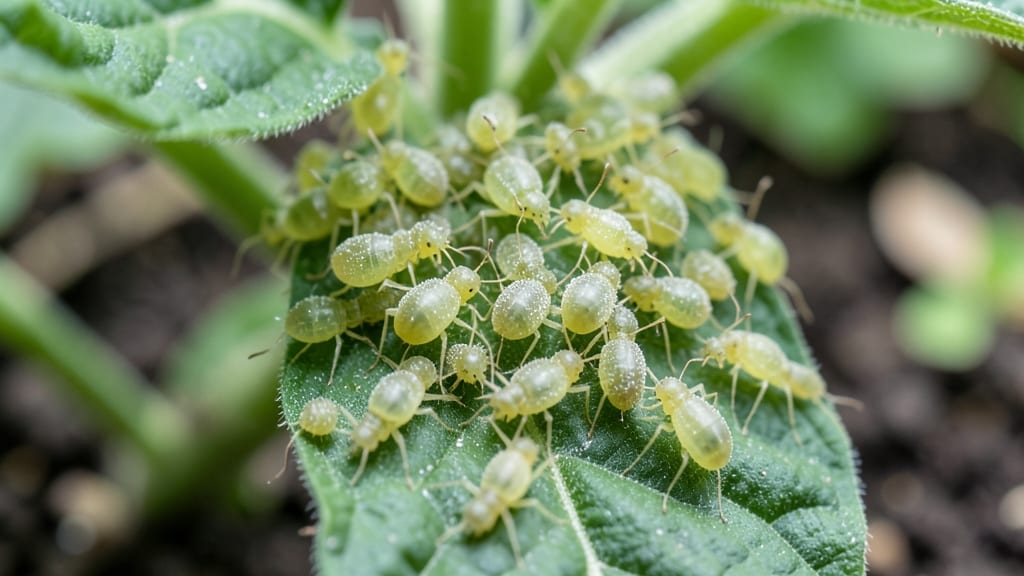
Before you panic over what bugs eat pepper plants—like aphids, hornworms, and flea beetles—here’s how to protect your harvest naturally. 🌱 I’ve lost entire plants to these critters, but I’ve also learned how to outsmart them.
The key isn’t just spotting the damage (chewed leaves, sticky residue, or skeletonized foliage) but knowing which bugs are attacking and how to stop them before they ruin your peppers.
Most gardeners panic when they see holes in leaves or wilting plants, but the real secret is prevention. Planting strong-smelling herbs like basil or marigolds nearby confuses pests, while introducing beneficial insects—like ladybugs or lacewings—keeps the population in check.
I’ve seen gardens go from infested to thriving in just a few weeks with these simple tweaks.
The damage these bugs cause isn’t just cosmetic—aphids spread viruses, hornworms defoliate plants overnight, and flea beetles chew young seedlings to the ground. But the good news? Organic sprays (neem oil, insecticidal soap) and physical barriers (row covers, collars) work just as well as chemicals—without harming pollinators or your family.
Whether you’re dealing with a full-blown invasion or just want to protect next season’s crop, these methods are foolproof. The goal isn’t to eradicate every bug (some are helpful!) but to create a garden where peppers outgrow the pests. Let’s get your plants back on track.
Root Causes Of Pepper Plant Attacks
Pepper plants are a garden treasure, but their sweet, tender foliage and juicy fruits make them a prime target for pests. Understanding why these bugs attack your peppers is the first step to stopping them before they cause real damage.
Let’s break down the science—and the sneaky strategies—behind these unwanted visitors.
Pepper plants are like all-you-can-eat buffets for bugs because they’re packed with sugary sap, soft stems, and nutrient-dense fruits. Here’s the breakdown:
- High Sugar Content: Peppers contain natural sugars (especially in ripe fruits), which attract aphids, spider mites, and whiteflies—bugs that thrive on sweet liquids. 🍬 These pests use their piercing mouthparts to suck out sap, weakening the plant and spreading viruses like tobacco mosaic virus. - Tender New Growth: Young leaves and stems are soft and easy to chew, making them irresistible to caterpillars (like tomato hornworms) and cutworms.
These pests target vulnerable areas because they’re high in water and protein, fueling rapid growth for the larvae. - Volatile Compounds: Peppers emit volatile organic compounds (VOCs) when stressed (e.g., from drought or damage).
These chemical signals act like insect dinner bells, luring in predators like thrips and aphids that detect plant distress. 🚨
Actionable Insight: If your peppers are overripe or stressed, pests will swarm faster. Harvest peppers promptly and water consistently to reduce stress signals.
Bugs don’t just appear—they hitchhike, hide, and multiply in cluttered, neglected gardens. Here’s how your space might be inviting them:
- Debris & Mulch Piles: Leaves, stems, and old plant matter create microclimates perfect for pests like slugs, earwigs, and fungus gnats.
These bugs overwinter in soil and mulch, emerging when peppers sprout. 🏨 - Weeds as Pest Magnets: Weeds like nightshade or pigweed host aphids and spider mites, which then migrate to your peppers.
These weeds also disrupt soil health, making peppers more susceptible to stress (and thus, more appealing to pests). - Overcrowded Plants: When pepper plants are too close together, airflow is restricted, leading to high humidity—a breeding ground for fungus gnats and whiteflies.
Poor air circulation also slows healing after pest damage, making plants more vulnerable to repeat attacks.
Actionable Insight: Clear debris yearly, mulch with straw (not thick layers), and thin plants to improve airflow. 🌬️
Pests don’t just show up—they thrive when their natural predators are missing. Here’s how ecosystems tip in their favor:
- Lack of Beneficial Insects: Peppers rely on ladybugs, lacewings, and parasitic wasps to control aphids and caterpillars.
If your garden lacks diverse pollinators and predators (due to pesticides or monoculture planting), pests explode unchecked. 🐞 - Monoculture Planting: Growing only peppers removes natural barriers like herbs or flowers that repel pests.
For example, basil deters thrips, while marigolds confuse aphids with their strong scent. - Soil Depletion: Poor soil weakens plant immunity, making peppers more attractive to pests. Low nitrogen leads to yellowing leaves (a signal to aphids), while compacted soil traps moisture-loving bugs like slugs.
Actionable Insight: Plant companion flowers (like nasturtiums or alyssum) and avoid broad-spectrum pesticides, which kill both pests and their predators.
Temperature, humidity, and rainfall directly impact pest behavior. Here’s how your local climate might be fueling the problem:
- Warm, Dry Conditions: Spider mites and whiteflies thrive in hot, dry air because their eggs dry out less quickly. These pests multiply rapidly when temperatures exceed 80°F (27°C). 🌡️ - High Humidity: Fungus gnats and slugs love moist environments.
Overwatering or poor drainage creates the perfect pest paradise, especially in shady or container-grown peppers. - Sudden Rainfall: Heavy rains wash away natural predators (like ground beetles) while softening soil, making it easier for cutworms and earwigs to burrow into young plants.
Actionable Insight: Use drip irrigation (not overhead watering) and choose heat-tolerant pepper varieties (like ‘Carolina Wonder’) to reduce pest stress. 💦
Even the best-intentioned gardeners accidentally create pest hotspots. Here’s how:
- Over-Fertilizing with Nitrogen: Too much nitrogen boosts leafy growth (which pests love) but weakens fruit defenses.
Aphids and caterpillars target soft, fast-growing foliage like it’s an all-you-can-eat salad bar. 🥗 - Ignoring Early Signs: Small holes, chewed leaves, or sticky residue (honeydew) are red flags—but many gardeners wait until pests are out of control to act.
By then, the plant is already stressed. - Reusing Containers Without Cleaning: Potting mix, soil, and old containers can harbor pest eggs or larvae from last season. Fungus gnats and root maggots often survive in unsterilized soil.
Actionable Insight: Test soil nitrogen levels (aim for 0.5–1.0% nitrogen) and sterilize containers with a 10% bleach solution before replanting. 🧼
Quick Fixes for Pepper Plant Pests
Pepper plants are a gardener’s pride, but pests like aphids, spider mites, and hornworms can turn your hard work into a buffet. The good news? You don’t need harsh chemicals to save your harvest.
Below are practical, natural solutions tailored to the most common culprits, plus prevention tips to keep your peppers thriving long-term.
Signs: Sticky residue (honeydew), curled leaves, or tiny webs on undersides.
🔥 Immediate Action: Blast Them Away
- Water spray attack 💦: Use a strong stream of water from a hose to knock aphids off leaves.
Do this in the early morning or late evening to avoid damaging plants. - Neem oil spray 🌿: Mix 1 tbsp neem oil + 1 tsp mild soap in 1 quart of water. Spray directly on pests (avoid flowers to protect pollinators). Reapply every 5–7 days.
👨🍳 Long-Term Defense: Companion Planting
Plant basil, marigolds, or garlic nearby—these repel aphids naturally. Ladybugs are also aphid-eating allies; invite them with dill or fennel in your garden.
💡 Pro Tip:
- Sticky traps (yellow cards) can catch migrating pests before they settle on your peppers.
Signs: Large green caterpillars (3–4 inches), chewed leaves with frass (poop) everywhere.
🍳 Manual Removal (Best for Small Gardens)
- Handpick them in the morning when they’re sluggish. Drop them in soapy water—no waste!
- Bait trap: Place a shallow dish of beer or sugar water near plants; hornworms are attracted and drown.
🌿 Biological Control: Let Nature Do the Work
- Parasitic wasps (like Cotesia congregata) lay eggs in hornworms—welcome them by avoiding pesticides.
- Chicken manure tea (fermented) can deter eggs from hatching.
✨ Prevention:
- Row covers (lightweight fabric) block adult moths from laying eggs. Remove when flowers appear to allow pollination.
Signs: Small holes in leaves, especially on young plants.
🔪 Barrier Method: Protect Young Plants
- Collars or row covers (fine mesh) shield seedlings until they’re established.
- Diatomaceous earth (food-grade) sprinkled around the base creates a deadly barrier for crawling beetles.
🌡️ Heat & Traps
- Yellow sticky traps attract and trap adult beetles.
- Reflective mulch (aluminum foil or silver plastic) confuses them and reduces egg-laying.
🎯 Companion Plants to Confuse Them
Plant radishes or nasturtiums nearby—flea beetles prefer these over peppers.
Signs: Leaves suddenly vanish overnight; plants topple over.
🏃 On-the-Spot Solutions
- Grab and go: Shine a flashlight at dusk to spot them hiding at the base. Pull them off by hand.
- Collars: Wrap cardboard or aluminum foil around stems to block their climb.
🌿 Organic Repellents
- Crushed eggshells or wood ash around the base deters them.
- Beer traps (bury a cup filled with beer near the plant—cutworms crawl in and drown).
- Healthy soil = strong plants 💪: Amend soil with compost to boost pepper resilience.
- Rotate crops yearly to disrupt pest life cycles.
- Clean up debris after harvest—pests hide in old plant matter.
- Encourage beneficial insects (ladybugs, lacewings) with flowering plants like alyssum or cosmos.
- Inspect regularly 🔍: Catch problems early before they spread!
Remember: The key is consistency. Combine immediate fixes with long-term strategies, and your pepper plants will stay pest-free and productive. 🌶️💚
Frequently asked questions
Which bugs are the most destructive to pepper plants?
The worst offenders are tomato hornworms (they devour leaves overnight), aphids (they spread viruses and create sticky honeydew), and flea beetles (they chew tiny holes in seedlings). Spider mites also cause major damage by sucking plant juices, especially in hot, dry weather.
How can I tell if my peppers are being attacked by bugs?
Look for chewed leaves with irregular holes (hornworms), sticky residue (aphids), tiny webs (spider mites), or shiny black dots (flea beetles). Young plants may wilt suddenly if cutworms are feeding at the base. Check leaf undersides and stems first—pests love hiding there!
Are there any natural ways to repel bugs without chemicals?
Yes! Plant basil, marigolds, or garlic nearby to confuse pests. Spray neem oil (mix 1 tbsp with 1 quart water) or use soapy water (1 tsp mild soap per quart) to knock off aphids. For hornworms, handpick them in the morning when they're sluggish. Beneficial insects like ladybugs and lacewings also help control pests naturally.
Will companion plants really protect my peppers?
Basil deters thrips and whiteflies, marigolds confuse aphids, and nasturtiums lure flea beetles away. Even onions or garlic planted nearby can repel many common pepper pests. The key is diversity—mix herbs and flowers with your peppers to create a pest-resistant ecosystem.
What should I do if my pepper plants are already heavily infested?
Start with manual removal—pick off caterpillars by hand and drop them in soapy water. For aphids, blast them off with water. Then apply neem oil or insecticidal soap (follow package instructions). For severe cases, use row covers to protect new growth while you rebuild plant health.