
Picking
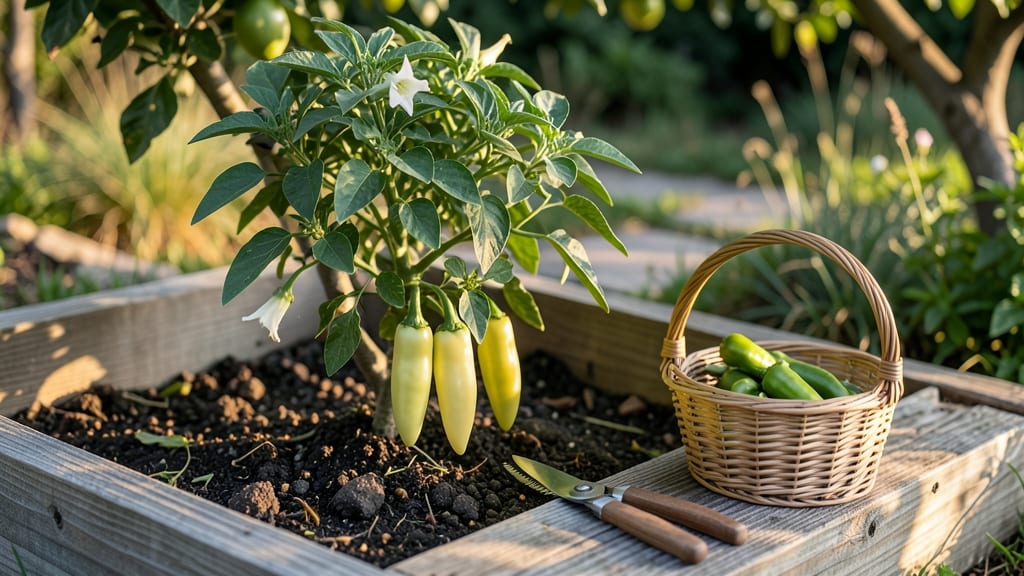
Cubanelle peppers are ready to pick when they reach 3-4 inches in length and their skin turns a vibrant, glossy green 🌶️—a moment many gardeners miss, leaving behind peppers that are either too mild or already past their prime.
Picture this: you’ve waited months for your Cubanelle plants to flourish, only to pull a pepper that’s still tough and underdeveloped, or worse, one that’s wrinkled and lost its sweetness.
The difference between a perfect harvest and a disappointing one often comes down to timing—and knowing the three key visual cues that signal readiness.
These peppers thrive in USDA Zone 6a from July through September, but their flavor peaks when harvested at just the right stage.
Too early, and they lack the crisp texture and mild sweetness you crave; too late, and they toughen up, making them less enjoyable even in stir-fries or fresh salads.
In this guide, I’ll walk you through how to spot the ideal Cubanelle pepper—when to grab your shears, how to avoid common mistakes, and why a little patience (or urgency) at the right moment makes all the difference in your garden’s harvest.

3 Visual signs Cubanelle peppers are ready for harvest
Cubanelle peppers thrive when harvested at their peak, but many gardeners struggle to distinguish between underripe and perfectly ripe fruit. Unlike spicier varieties, these sweet, mild peppers need precise timing to deliver their best flavor.
Missing the window means losing that tender, sweet snap—so let’s break down the three key visual cues that guarantee you’ll pick them at the perfect moment.
First, it’s crucial to understand that Cubanelles are typically harvested while still bright green, unlike their red or yellow cousins. This green hue is your first clue—but not all green peppers are ready.
You’ll also need to check size and firmness to avoid common mistakes like picking too early (bland flavor) or too late (leathery texture). Let’s dive into the details so you never miss harvest season again.
-
1. Size: 3-4 inches long
Mature Cubanelles should measure 3-4 inches from stem to tip. Peppers smaller than 2 inches are underripe and lack sweetness, while those over 4.5 inches may start to toughen. -
2. Glossy, smooth skin
Ready-to-pick peppers have a shiny, taut surface. Dull or wrinkled skin signals overripeness, while a slightly matte finish means they need more time on the plant. -
3. Firm yet yielding texture
Gently squeeze the pepper—it should feel firm but slightly springy. Overripe peppers become soft or mushy, while underripe ones feel hard and rubbery.
One of the biggest mistakes I see is confusing Cubanelles with other pepper varieties, like jalapeños or bell peppers. Cubanelles stay green and never turn red (unless you’re growing a colored heirloom variety). Their shape is also distinct—longer and more tapered than bells but less pointed than jalapeños.
If you’re unsure, compare your peppers to photos of ripe Cubanelles or ask at your local nursery for visual guides.
Another pro tip? Harvest in the morning when peppers are cool and crisp. This reduces stress on the plant and ensures you’re picking at the day’s peak ripeness. Avoid harvesting after heavy rain, as moisture can dilute flavor and make peppers more prone to disease.
Always use a sharp pair of pruning shears or your fingers to twist peppers gently from the stem—never pull or tear, as this can damage the plant.
Seasoned gardeners often say, “When in doubt, wait a day.” This holds true for Cubanelles, especially if you’re in a hotter climate where peppers ripen faster. Overripe peppers lose their sweetness and develop a slightly bitter, leathery texture.
On the flip side, underripe peppers lack the complex sweetness that makes Cubanelles so beloved in dishes like stuffed peppers or fresh salads.
If you’re growing Cubanelles in containers, keep an extra-close eye on ripening times—they often mature faster due to limited root space. Container-grown peppers also benefit from regular harvesting, as this encourages the plant to produce more fruit.
I’ve found that container plants can yield 20-30% more peppers when harvested consistently every 3-5 days during peak season.
For those in cooler climates (USDA Zones 5-7), Cubanelles may take longer to ripen. If frost threatens before peppers reach maturity, you can harvest them green and underripe, though flavor will be milder.
In warmer zones (Zones 8-10), peppers may ripen in as little as 60 days, so stay vigilant! Always check your local frost dates and plan accordingly.
Finally, store harvested Cubanelles properly to preserve their quality. Keep them in the fridge for up to 2 weeks or ferment them for homemade hot sauce (though that’s a topic for another guide!).
For the best flavor, use them within 5-7 days of picking—fresh Cubanelles straight from the garden are unmatched in taste and texture.
Best time of day and season to pick Cubanelle peppers
Timing your Cubanelle pepper harvest correctly ensures you enjoy their sweetest flavor and tender texture. These peppers thrive in warm climates and prefer long daylight hours, so understanding seasonal patterns is key.
In most regions, the peak harvest window spans from mid-summer to early fall, aligning with their 60-85 day growth cycle.
For gardeners in USDA Zones 8-10, Cubanelles can produce continuously through fall and even winter if protected from frost. In cooler zones (Zones 6-7), focus on harvesting between July and September before the first frost.
Missing this window risks overripe or cracked peppers, which lose their sweetness and become tough.
⚠️ callout warning ⚠️
Picking Cubanelles too early (under 3 inches) results in bitter, underdeveloped peppers. Waiting too long causes wrinkled skin and cracked peppers, which attract pests. In hot climates, harvest every 3-5 days to prevent overripening.
🌡️ Temperature Tip: Avoid harvesting during midday heat (10 AM–4 PM). Peppers wilt faster in 90°F+ temps, making them prone to bruising. Choose early morning (before 9 AM) for firm, crisp peppers.
Early morning is the ideal time to pick Cubanelles because the pepper skins are firmer and cooler, reducing damage. If you must harvest later, do so in the late afternoon (after 4 PM) to avoid sunburned peppers.
Never harvest after a heavy rain, as wet peppers bruise easily and take longer to dry.
Seasonal adjustments matter too. In short-season climates (like Zone 5), prioritize harvesting mature peppers first to maximize yield before frost. In longer growing seasons (Zones 9-10), you can extend harvests by pruning older peppers to encourage new growth.
Always check for bright green color and glossy skin—these are your best indicators of readiness.
One common mistake is assuming all green peppers are ready to pick. Cubanelles stay green but become sweeter and milder as they mature. Wait until they reach 3-4 inches and feel slightly yielding when gently squeezed.
Overripe peppers turn dull green and develop wrinkled skin, signaling it’s past their prime.
For container gardeners, harvest Cubanelles more frequently—every 2-3 daysground gardens, a weekly harvest keeps plants productive. Store picked peppers in the fridge for up to 2 weeks or use them fresh in dishes to savor their peak flavor.