
Vegetables
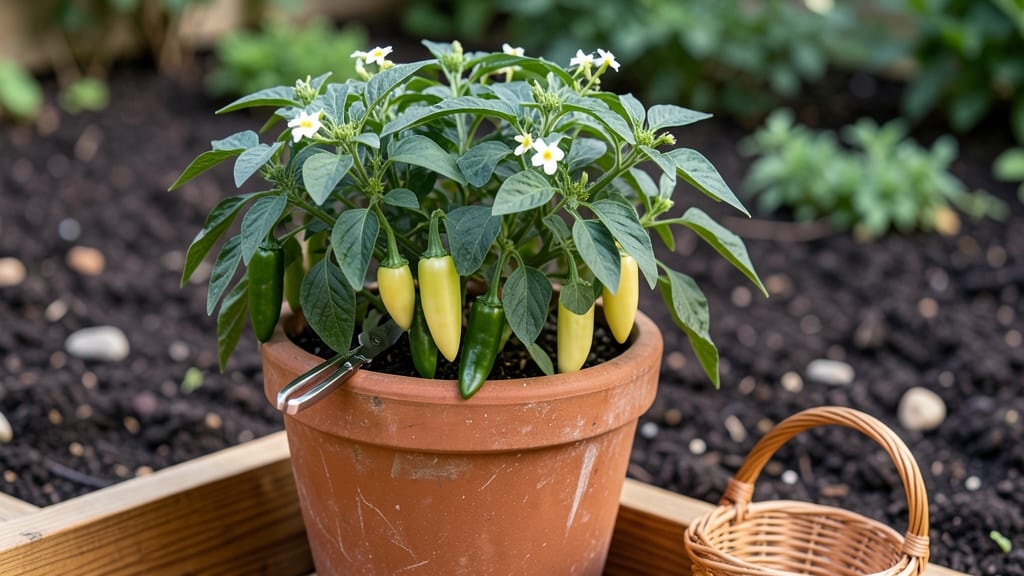
When are pepperoncini peppers ripe? The answer lies in their 2-3-inch length and that deep, glossy green hue—timing is everything for that signature tang.
Here’s the catch: most gardeners grab them too early, ending up with mild, underflavored pods that lack the zing you crave. Worse, leaving them too long on the vine can turn that crisp snap into a mushy mess.
The secret? Knowing the four visual cues that scream "harvest now" — and avoiding the mistakes that ruin the flavor.
From firmness to color consistency, I’ll walk you through how to test ripeness without guessing, plus the best time to pick for pickling versus fresh eating. Skip the trial-and-error — these 4 signs are all you need to nail the perfect harvest every time.
Ready to transform your garden into a pepperoncini powerhouse? Let’s dive into the details so you never miss peak ripeness again.

4 Visual signs pepperoncini peppers are ready for harvest
Pepperoncini peppers are at their peak flavor when harvested at the right moment—but many gardeners miss the subtle visual cues that signal they're ready. Unlike some peppers that change color dramatically, pepperoncini peppers stay green and rely on other indicators to show they're ripe.
Ignoring these signs often leads to underripe pods that lack the signature tangy kick or overripe peppers that become tough and bitter.
I’ve learned the hard way that harvesting too early means bland, watery peppers, while waiting too long results in leathery skins and diminished flavor. The key is paying attention to four specific visual cues: size, color consistency, skin texture, and stem changes.
Mastering these will transform your pepperoncini harvest from mediocre to mouthwatering.
🌱 How to Spot Perfectly Ripe Pepperoncini Peppers
-
1. Size: 2-3 inches long
Peppers should be firm and plump, not elongated beyond 3 inches. Smaller than 1.5 inches? Wait longer. -
2. Bright, even green color
Look for vibrant green without yellowing or dark spots. Uneven color means uneven ripeness. -
3. Glossy, firm skin
Run your thumb over the pepper—it should feel smooth and slightly waxy. Wrinkled or dull skin? Overripe. -
4. Stem snaps cleanly
Gently twist the pepper at the stem. If it snaps off easily, it’s ready. If it resists, it needs more time.
One of the biggest mistakes I see is assuming all green peppers are ripe. Pepperoncini peppers are technically ripe when green, but they need to reach their ideal size and firmness for peak flavor.
Overripe peppers develop a tough, leathery skin and may even turn yellow or red in some varieties, signaling they’ve passed their prime. The good news? Unlike tomatoes, pepperoncini don’t sweeten after picking, so timing is everything.
For the best flavor, aim to harvest when your peppers are 2-3 inches long and exhibit all four visual cues. This typically occurs 75-90 days after transplanting, depending on your climate. In hotter regions, they may ripen faster, while cooler areas might need an extra week or two.
Paying attention to these details ensures you’re bringing home peppers that are perfect for pickling, snacking, or stuffing.
I also recommend harvesting frequently—every 2-3 days during peak production—to encourage more peppers to mature. When you pick one ripe pepper, the plant often responds by producing another in its place.
This continuous harvest method keeps your plants productive and ensures a steady supply of flavorful peppers throughout the growing season.
If you’re unsure whether a pepper is ready, perform the stem snap test as your final check. The stem should break cleanly without tearing the pepper. If it doesn’t snap but instead pulls away with resistance, it’s not yet ripe.
This test is foolproof and saves you from harvesting prematurely. Trust me, your taste buds will thank you!
Another common question I get is whether to harvest pepperoncini when they turn yellow or red. While some varieties do change color, traditional pepperoncini stay green at peak ripeness. If you notice yellowing or reddening, it’s a sign the pepper has overstayed its welcome on the vine.
These peppers will be tougher and less flavorful, so it’s best to harvest them green when they meet the other three criteria.
For storage, harvest your pepperoncini in the morning and use them within 1-2 weeks for the best quality. Store them in the fridge, unwashed, in a paper bag with a few air holes to maintain freshness.
If you’re not using them immediately, consider pickling—ripe pepperoncini make the perfect tangy addition to antipasto platters or sandwiches.
Remember, the goal is to balance size, color, texture, and stem readiness. When all four signs align, you’ve got a pepperoncini that’s ready to shine—whether you’re snacking on them fresh, stuffing them with cheese, or preserving them for later. Happy harvesting! 🌿
How to test pepperoncini ripeness without tasting (spoiler: it’s not just color)
Pepperoncini peppers are technically ripe when they turn green, but that’s just the beginning. Many gardeners assume bright green means peak flavor, only to discover their harvest lacks the signature tangy kick. The truth?
Ripeness involves more than just color—it’s about texture, size, and even the way they feel in your hand. I’ve learned the hard way that skipping these tests leads to bland, underflavored peppers.
Don’t rely solely on visual cues—especially if you’re growing them for pickling or fresh eating. The firmness test and seed development are game-changers. For example, a pepper that’s 2-3 inches long but still soft might be overripe, while a smaller one with a crisp snap could be perfect.
Let’s break down the three key tests I use to avoid guessing.
Green ≠ Ripe Enough!
Pepperoncini peppers are green when ripe, but many gardeners harvest them too early. The ideal ripeness for maximum flavor includes firmness, size, and seed maturity. Skipping these tests often leads to bland, underflavored peppers—even if they’re bright green.
Start with the squeeze technique. Gently press a pepper between your thumb and forefinger. A ripe pepperoncini should feel firm but slightly yielding, like a ripe avocado. If it feels too soft, it’s overripe; if it’s rock-hard, it’s underripe.
This test is especially useful for green pepperoncini, which can trick you into thinking they’re ready when they’re not.
Next, check the seed development. Cut open a pepper and look at the seeds. If they’re small and white, the pepper is still developing. Ripe pepperoncini will have slightly larger seeds that are off-white or pale yellow.
This is your signal that the pepper has reached its peak flavor stage—the sweet spot for pickling or fresh eating.
Don’t overlook the stem test. Gently twist a pepper at its stem. A ripe pepperoncini should snap cleanly from the plant, leaving a small stem nub.
If it resists or pulls away with the stem, it’s not ready. This method ensures you’re harvesting at the perfect moment for both texture and taste.
Timing is everything. Pepperoncini typically take 75-90 days to mature, but environmental factors like temperature and sunlight can speed up or slow down ripening. In hotter climates, peppers may ripen faster, while cooler weather can delay the process.
Always monitor your plants and use these tests to avoid missing the window of optimal ripeness.
Pro tip: Harvest in the morning when peppers are cool and crisp. This ensures you’re testing them at their freshest, giving you the most accurate results. Store harvested peppers in a cool, dark place for up to a week, or pickle them immediately for the best flavor.
Now you’re ready to enjoy pepperoncini that pack a punch—without the guesswork!