
Plants
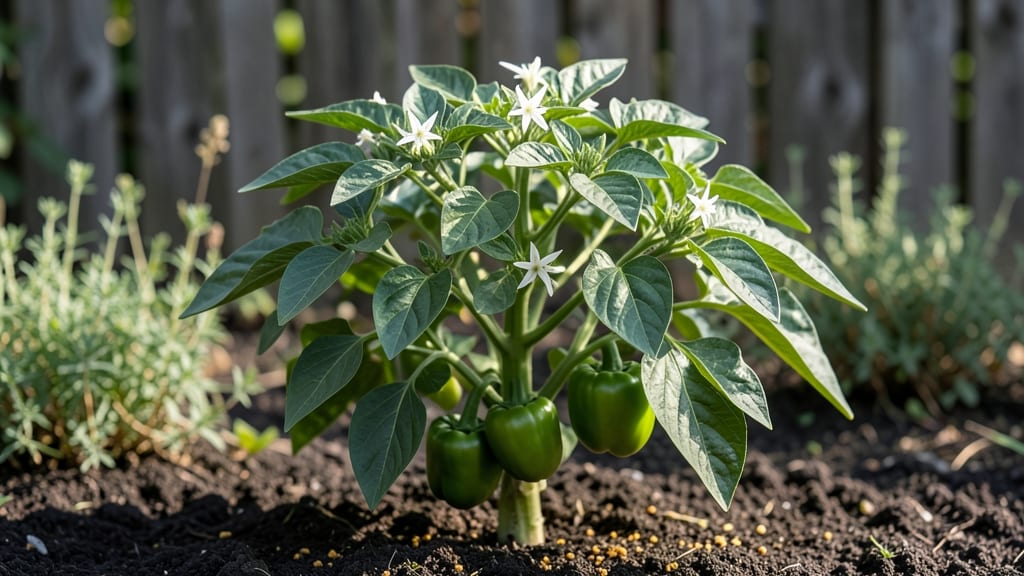
Pepper plants flower when they’ve hit the right balance of warmth, light, and maturity — and that timing varies wildly depending on your variety and climate.
Picture this: you’ve nurtured your 🌶️ seedlings for weeks, only to stare at a bush full of leaves and wonder, When will those flowers finally appear? The answer depends on whether you’re growing sweet bell peppers (which may bloom in as little as 60 days) or fiery habaneros (that could take 100+ days).
Throw in temperature swings or short daylight hours, and your peppers might stall entirely.
In this guide, I’ll break down the exact flowering windows for common varieties, how your local climate speeds up or slows down the process, and the 3 most common mistakes that keep peppers from blooming.
You’ll also learn how to tweak care—like adjusting light or fertilizing—to coax flowers even if your season feels off.
By the end, you’ll know not just when to expect those first blossoms, but how to create the perfect conditions to turn your pepper plants into a harvest-ready powerhouse.
Pepper plant flowering timeline by variety: hot vs sweet breakdown
If you've ever waited eagerly for your pepper plants to flower, you know patience is key—especially when some varieties bloom in just 60 days while others take nearly 120 days.
The difference often comes down to whether you're growing sweet bell peppers or spicy hot peppers, as well as your local climate. Understanding these timelines helps you plan for earlier harvests or adjust care to encourage blooms faster.
For example, jalapeños and bell peppers often flower within 70-90 days after transplanting, while habaneros and heirloom varieties like Carolina Reaper can take 100-120 days. Heat-loving varieties also bloom later in cooler climates, so knowing your USDA zone and daylight hours is crucial.
Let’s break down the flowering timelines by variety so you can set realistic expectations for your garden.
Sweet peppers like bell varieties often flower earlier than their spicy counterparts, thanks to their lower heat requirements. For instance, 'Early Prolific' bells can start flowering in as little as 60 days, making them perfect for short-season gardens in USDA zones 7-9.
In contrast, habaneros and Carolina Reapers need longer growing seasons and warmer temperatures to trigger blooms, which is why they’re better suited for zones 10-11 or greenhouse cultivation.
If you're growing peppers in cooler climates (like USDA zones 6-7), opt for early-maturing varieties or use black plastic mulch to warm the soil faster. This can shave off 10-15 days from the flowering timeline.
Conversely, in hotter zones (10+), peppers may bolt (flower prematurely) if stressed by heat, so providing afternoon shade can help regulate blooming.
Indoor gardeners using grow lights can also control flowering by adjusting light cycles. Peppers need 12-16 hours of light daily to thrive, but too much light can delay flowering in some varieties.
If your plants are stretching toward the light (a sign of etiolation), reduce light exposure slightly to encourage blooms. For hot peppers, this might mean switching to 14-hour light cycles once seedlings are established.
Another pro tip: Pruning lower leaves to improve airflow can speed up flowering by reducing stress. Remove any suckers (side shoots) that form in the leaf axils, as these divert energy away from flower production.
Focus on maintaining a single strong stem for early bloomers like jalapeños, while allowing multiple stems
Climate and daylight factors that delay or speed up pepper flowering
Pepper plants are finicky about their environment, and climate conditions play a huge role in when they finally decide to bloom. In USDA zones 6-11, temperature swings and daylight hours can either accelerate or stall flowering.
For example, my jalapeño plants in zone 9 typically flower in 70-80 days, while the same variety in zone 7 might take 90+ days due to cooler nights.
Daylight is another critical factor—peppers need at least 6-8 hours of sunlight daily to trigger flowering. Short summer days in northern climates (USDA 6-7) can delay blooms until late summer, while longer daylight hours in southern zones (USDA 9-11) often kickstart flowers earlier.
Even indoor growers must mimic these conditions with supplemental grow lights for 14-16 hours/day.
⚠️ WARNING: Common Mistake That Stalls Flowering Many gardeners assume peppers will flower on their own, but temperature extremes and inconsistent daylight are sneaky culprits. For instance, nights below 55°F (13°C) or above 85°F (29°C) can shock plants into dropping buds before they open.
Meanwhile, short winter days (below 12 hours of light) trick peppers into thinking it’s time to rest—not bloom.
Even in ideal zones, cloudy spells or early autumn can cut daylight short, halting progress. Solution: Use black plastic mulch to warm soil and reflective mulches to boost light exposure during overcast periods.
Black plastic mulch is a game-changer for cooler climates. By raising soil temperatures by 5-10°F, it helps peppers in USDA zones 6-8 reach their optimal flowering temp of 70-80°F (21-27°C) faster.
I’ve seen bell pepper flowers appear 2-3 weeks earlier when using this trick. Pair it with shade cloth (30-50%) during heatwaves to prevent bud drop in zones 9-11.
Supplemental grow lights are a lifesaver for indoor or early-season gardeners. If your peppers are getting less than 6 hours of sunlight, add a LED grow light on a timer for 14 hours/day.
This mimics summer solstice conditions and can push flowering in 4-6 weeks instead of months. Just avoid blue-light dominant bulbs, which encourage leafy growth—stick with full-spectrum LEDs for balanced blooming.
Seasonal shifts also matter. In spring-planted gardens, peppers often wait until late May or June to flower, as cooler soil and air slow growth. To speed things up, start seeds indoors 8-10 weeks before last frost and transplant hardened-off seedlings when soil hits 60°F (15°C).
For fall-planted peppers, choose fast-maturing varieties (like ‘Early Cal Wonder’) and protect them from early frosts with row covers.
Remember: consistency is key. Pepper plants thrive on predictable warmth and light. If your garden experiences unpredictable weather, use cloche covers or mini greenhouses to create stable microclimates. With the right adjustments, you can turn a leafy monster into a flowering powerhouse—even in tricky climates! 🌶️☀️