
Picking
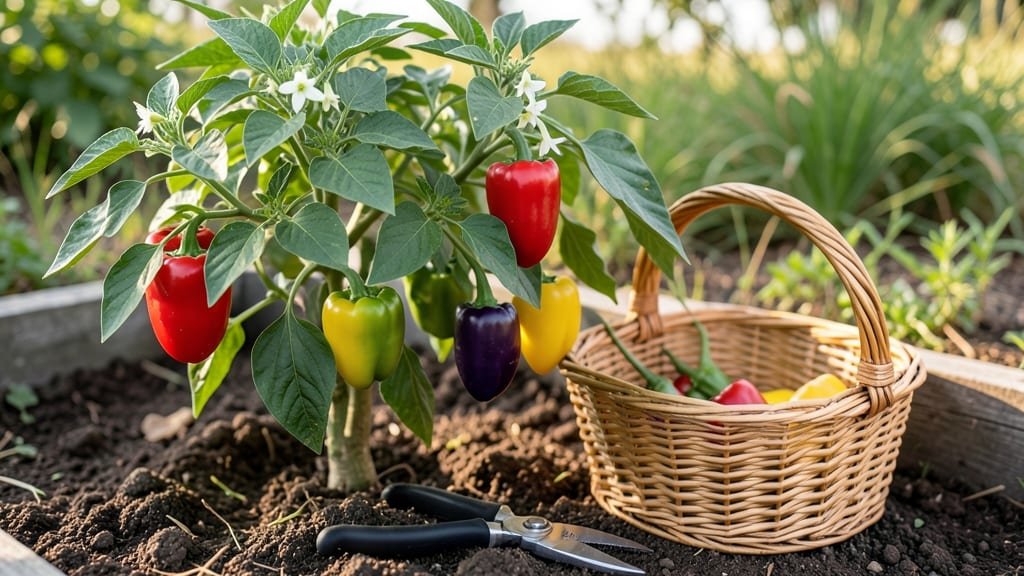
To pick a bell pepper at its peak flavor, watch for the perfect moment when color, size, and firmness align—because harvesting too early or late can turn sweetness into bitterness.
Picture this: you’ve nurtured your 🌶️ for months, and now the question looms—when is it really ready? The answer isn’t just about color; it’s about texture, size, and even the weather outside. One wrong move, and you could end up with peppers that are tough, bland, or worse, overripe.
In this guide, I’ll break down the exact signs to look for—from glossy skin to the right shade of red, yellow, or green—so you never miss the window again. Plus, I’ll share the one trick that keeps peppers tasting fresh long after they’re picked.
Whether you’re a first-time gardener or a seasoned grower, these tips will help you harvest peppers that burst with flavor, every single time. Let’s dive in!


Bell pepper ripeness by color: the exact timing for optimal flavor
Harvesting bell peppers at the right time transforms your garden into a flavor factory. Color isn't just about looks—it directly impacts sweetness, texture, and even nutritional value. Green peppers are often picked early, while red, yellow, and orange varieties develop richer flavors as they mature.
Understanding these stages ensures you never miss peak ripeness again.
Climate plays a surprising role in ripening speed. Warmer regions like Zone 9 may see peppers mature in 60-70 days, while cooler Zone 6 gardens might need 80-90 days for full color development. Day length also matters—longer summer days accelerate ripening, while shorter fall days slow it down.
Knowing your local growing season helps you plan for the perfect harvest window.
Here's the color-coded ripeness guide you need to pick bell peppers at their absolute best, with exact timing for each stage:
Did you know red bell peppers contain 3x more vitamin C than green ones? That's why waiting for full color pays off—both for flavor and nutrition. Yellow and orange varieties develop their vibrant hues when exposed to cooler night temperatures, often in late summer or early fall.
If your peppers aren't changing color, check your plant's water consistency and nutrient levels—both can delay ripening.
For green pepper varieties like 'Sweet Banana' or 'California Wonder', you can harvest at any size, but wait until they reach 3-4 inches long for the best balance of flavor and texture. Heirloom varieties often take longer to ripen—some may need up to 120 days to reach full color.
If you're in a short growing season, consider starting seeds indoors 8-10 weeks before your last frost date to maximize your harvest window.
Climate affects ripening speed dramatically. In hot, dry climates, peppers may mature faster but can become tougher. Cooler, humid regions often produce sweeter peppers that take longer to ripen.
If your peppers are staying green, try pruning excess foliage to improve air circulation and reduce nighttime temperatures by providing afternoon shade during heatwaves. This simple adjustment can jumpstart color development in just 7-10 days.
Pro tip: Twist peppers gently at the stem to harvest—this prevents damaging the plant. If the pepper resists, it's not ready. Overripe peppers (those with soft spots or wrinkled skin) should be harvested immediately, as they won't improve and may attract pests.
For longer storage life, pick peppers when they're fully colored but still firm—this extends their freshness by up to 2 weeks in the refrigerator.
Remember that color isn't the only indicator. Always check for firm skin, deep color intensity, and easy stem separation. These three signs combined guarantee you're picking at peak perfection.
The next time you see a vibrant red pepper on your plant, take a moment to appreciate how much sunlight, water, and care went into creating that sweet, glossy masterpiece.
Now that you've mastered the color code, you're ready to transform your garden into a pepper paradise. Whether you're growing classic reds or exotic purples, timing your harvest by color ensures every bite is packed with maximum flavor. Happy harvesting!
5 Key signs your bell pepper is ready to harvest (beyond just color)
Harvesting bell peppers at the right moment transforms a simple garden task into a flavor explosion. While color is the most obvious clue, tactile and structural cues reveal true ripeness.
I’ve learned the hard way that waiting for perfect color alone can lead to overripe, mealy peppers—so let’s explore the five foolproof signs that guarantee peak harvest.
First, size consistency matters more than you’d think. A bell pepper should match its variety’s mature dimensions—typically 3-5 inches long and 2-3 inches wide. For example, my ‘Jalapeño M’ variety stays compact (2-3 inches), while ‘California Wonder’ grows larger. Measure against the plant’s other peppers for comparison.
🌶️ 5 Key Signs Your Bell Pepper Is Ready
- 📏 1. Mature Size: Peppers reach 75-90% of their variety’s max size (e.g., 3-4" for standard types). Use seed packet guidelines as your benchmark.
- 🤲 2. Firm Skin: Gently press a pepper—ripe skin resists slight pressure without denting. Soft spots signal overripeness or pest damage.
- 🌈 3. Vibrant, Even Color: Look for deep, consistent hue (no green stems or streaks). Yellows should be golden, reds rich and glossy.
- 🌱 4. Stem Separation: Twist the pepper gently—the stem should snap cleanly at the base. If it resists, wait 1-2 days.
- 💧 5. Glossy Texture: Ripe peppers have a slightly waxy sheen. Dull or wrinkled skin means it’s past its prime.
💡 Pro Tip: Harvest in the morning when peppers are cool and crisp. This preserves texture and sweetness longer.
Don’t overlook the stem’s behavior—this is where most gardeners miss the mark. A ripe bell pepper’s stem should separate effortlessly when twisted, almost like a cork from a bottle. If you’re tugging or hearing a popping sound, the pepper isn’t ready yet.
I once waited too long on my ‘Purple Beauty’ variety, and the stems became woody, making them nearly impossible to remove without damaging the plant.
Texture is another underappreciated clue. Run your thumb over the pepper’s surface—ripe peppers feel firm yet slightly yielding, like a ripe avocado. Overripe peppers develop wrinkles or leathery skin, while underripe ones feel hard and crisp.
For ‘Sweet Banana’ peppers, I check for a slightly soft spot at the blossom end—this indicates peak sweetness without overripeness.
Environmental factors can trick you into picking too early or too late. Cooler temperatures slow ripening, so peppers may stay green longer in Zone 5 gardens like mine.
Conversely, hot, dry spells can cause peppers to ripen faster, turning red or yellow prematurely. Always cross-reference color, size, and firmness before harvesting, especially in unpredictable climates.
One common mistake I see is harvesting based on color alone. A red bell pepper isn’t necessarily ripe if it’s small, soft, or lacks gloss. For green varieties, focus on size and firmness—they’ll never turn red!
And remember: harvesting encourages more production. The more you pick, the more peppers your plant will yield. So grab those pruners and give every pepper the tactile test before calling it ripe!