
How To
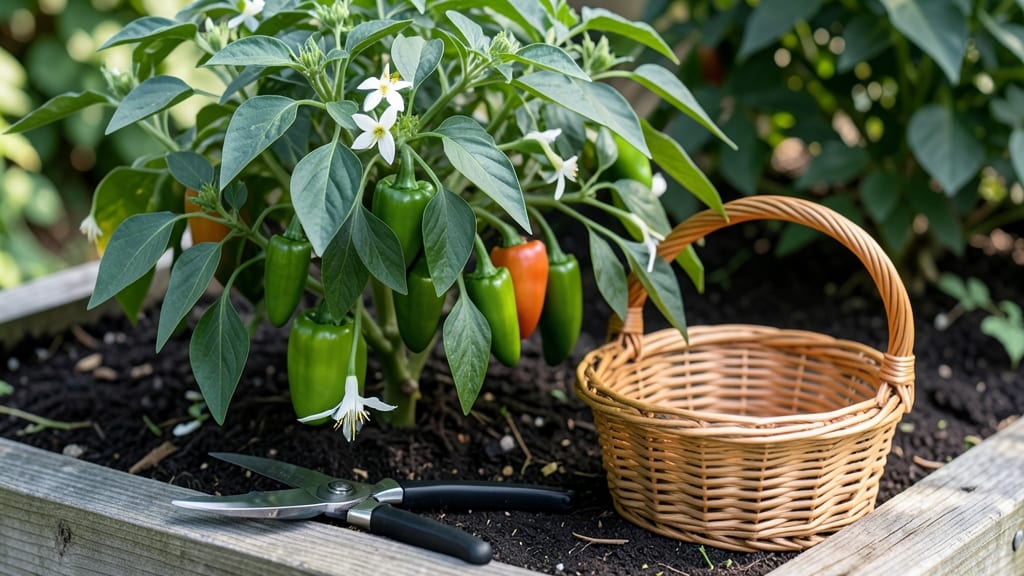
Picking Anaheim peppers at the right time ensures a harvest that’s sweet, vibrant, and packed with flavor—not bitter or underripe.
If you’ve ever plucked a pepper too early and ended up with a bland, seedy mess, you know how critical timing is. The difference between a perfectly ripe Anaheim 🌶️ and one that’s past its prime comes down to color, size, and a few other key clues.
In most regions, like USDA Zone 6a, your peppers will be ready between July and October, but the exact moment depends on whether you prefer them green or let them turn red.
Below, I’ll break down the color-coded stages, how to test firmness, and when to stop harvesting before the first frost.
You’ll learn how to spot the ideal moment—when the skin is glossy, the stem snaps cleanly, and the flavor peaks—so you never miss a harvest window again.

Anaheim pepper ripeness stages by color: what to look for
Harvesting Anaheim peppers at the right color stage determines their flavor intensity and culinary versatility. Unlike some peppers, Anaheims mature through distinct color transitions—from deep green to red—each offering unique taste profiles.
Understanding these stages helps you avoid bitter, underripe peppers or overly sweet ones that lose their signature mild heat.
Most gardeners harvest Anaheims when they’re 4-6 inches long and deep green, but allowing them to turn red can unlock deeper flavors. The key is recognizing subtle color shifts and firmness changes that signal readiness.
Below, I’ll break down each ripeness stage by color, including when to pick for optimal flavor balance and how to distinguish between immature and overripe peppers.
🌱 Pro Tip: Anaheims ripen unevenly on the plant—always check multiple peppers per branch for consistency in size and color.
The deep green stage (4-6 inches) is the sweet spot for most gardeners, offering the classic Anaheim flavor with a mild heat that’s perfect for stuffing or roasting. At this point, the pepper’s skin should resist gentle pressure but not feel rock-hard.
If you’re growing Anaheims for drying or long-term storage, let them ripen to red—their sugar content peaks and heat diminishes almost entirely.
Watch for color inconsistencies on the plant, as Anaheims often ripen asynchronously. A pepper that’s half green and half yellow is still underripe—wait until the entire surface shows the target color.
In hotter climates, peppers may ripen faster, so check them every 2-3 days once they near 4 inches.
🌡️ Climate Note: In cooler regions (USDA Zones 5-7), Anaheims may stay green longer. Use a black plastic mulch to speed ripening if your season is short.
Harvesting too early results in watery, seedy peppers with bitter undertones, while waiting too long can lead to overly soft or shriveled peppers.
The optimal window is when 70-80% of peppers on a plant reach the deep green stage—this ensures you’re getting the best flavor balance without sacrificing yield.
For maximum yield, pick every 2-3 days during peak production (late summer). Use clean pruning shears or pinch the stem just above the pepper to avoid damaging the plant. Store harvested peppers in a cool, dry place (50-55°F) to slow further ripening.
If you’re growing Anaheims for home drying, harvest them when they’re fully red—this stage delivers the highest sugar content and longest shelf life. Strung and dried properly, red Anaheims become chiles colorados, a pantry staple in many cuisines.
How to test Anaheim pepper ripeness: beyond just color
Color is just the beginning when testing Anaheim pepper ripeness. While deep green or red hues signal maturity, many gardeners miss subtle tactile clues that confirm true readiness.
These physical cues—like stem separation and firmness—often reveal whether your peppers are truly at peak flavor or still waiting for the sun.
Don’t rely solely on color changes—environmental factors like temperature swings and sunlight intensity can drastically alter ripening speed. For example, cooler fall mornings may slow down color development, while hot summer days can accelerate it.
Understanding these variables ensures you harvest at the perfect moment, whether you prefer sweet green peppers or fully mature red ones.
⚠️ Warning: Overripe Peppers = Bitter Flavor
Anaheim peppers left too long on the plant can develop bitter notes and tough skins. If the stem doesn’t snap cleanly when bent, or the skin feels wrinkled or leathery, it’s past prime. Harvest before color fully shifts to red for milder, sweeter peppers.
Start by checking the stem separation—a key indicator of readiness. Gently twist the pepper near its base; if it snaps off cleanly with minimal resistance, it’s ready.
This separation shows the pepper has fully matured and detached naturally from the plant. If the stem resists or tears, wait 2-3 more days for better separation.
Next, examine the pepper’s firmness. Press your thumbnail gently into the skin: a ripe Anaheim should feel firm but slightly yielding, like a ripe avocado.
If it dents easily, it’s underripe; if it feels rock-hard or leathery, it’s overripe. Aim for a glossy, taut surface—this indicates proper hydration and maturity.
Environmental conditions play a surprising role in ripening speed. Consistent temperatures between 70°F–85°F speed up maturation, while cool nights below 60°F can stall color changes. In hot climates, peppers may ripen faster, requiring more frequent checks.
Meanwhile, cloudy days slow ripening, so adjust your expectations if your region experiences frequent overcast periods.
For the best flavor, harvest Anaheim peppers in the morning after dew dries. This timing ensures peppers are fully hydrated and at their firmest. Use clean pruning shears or your fingers to avoid damaging the plant.
If you’re growing for green peppers, pick when they reach 4–6 inches and have deep green color. For red peppers, wait until they turn fully red and develop a slightly waxy texture.