
How To
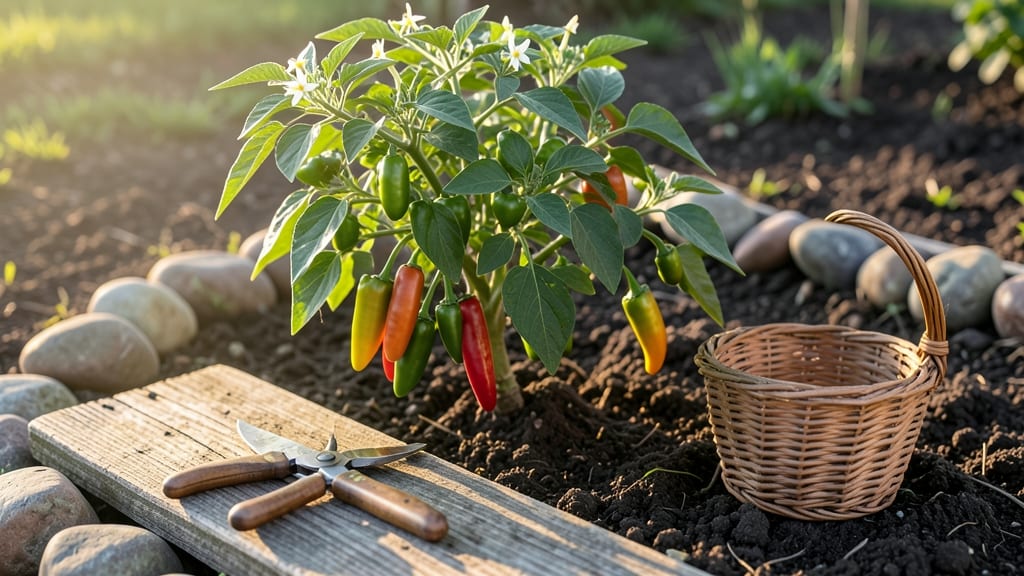
To pick serrano peppers at their peak heat and flavor, watch for the color shift from green to red, yellow, or orange—this is when their capsaicin levels soar.
Harvesting too early means watery, mild peppers, while waiting too long can turn them mushy or bitter. I’ve made both mistakes, and the difference in heat and texture is night and day.
Color isn’t the only clue—firmness, size, and even the time of year play a role. In Zone 6a, early summer peppers ripen faster than those planted in late spring, so timing your harvest right is key.
Below, I’ll break down the exact color cues to look for, plus how climate and variety affect when to pluck them for maximum spice and freshness.

Serrano pepper color stages: how to identify perfect harvest time
Timing your serrano pepper harvest is an art that balances heat intensity, flavor complexity, and textural firmness. These peppers undergo dramatic color transformations—from bright green to yellow, orange, or deep red—each stage offering unique qualities.
Understanding these visual cues helps you decide whether to harvest for maximum spice, versatile cooking, or long-term storage. I’ve grown serranos for years, and I’ve learned that even a day’s delay can shift flavors from crisp and tangy to soft and overripe.
Most gardeners focus solely on color, but heat levels and flavor profiles vary dramatically across stages. A green serrano might pack less capsaicin but offer a brighter, grassier taste, while a red serrano delivers peak heat but sweeter undertones.
To avoid disappointment, I recommend checking three key factors: color hue, skin firmness, and stem separation. These clues work together to signal when your peppers are ready for the kitchen—or the freezer.
The bright green stage is where most gardeners make their first mistake. These peppers are underripe, with thin walls and watery interiors. While they won’t harm you, they lack the crisp texture and balanced heat you crave.
I’ve tested green serranos in homemade hot sauces, and they always taste grassy and dilute. Wait until your peppers reach at least 2 inches long and develop a matte-green hue before considering a harvest. This stage marks the transition to early maturity, where flavors start to concentrate.
When serranos shift to light green or yellow-green, they’re ready for early harvesting. At this point, they’ve developed thicker walls and a slightly waxy finish. Gently squeeze the pepper—if it feels firm but not rock-hard, it’s prime for fresh salsas or pickling.
I harvest mine at this stage for hot sauces, as the heat is sharp and clean without the sweetness of fully ripe peppers. The Scoville heat units (SHU) jump significantly here, typically ranging from 10,000 to 15,000 SHU, making them ideal for heat-seeking recipes.
Watch for the yellow-orange transition—the sweet spot for most gardeners. This stage delivers the perfect balance of heat and flavor, with glossy skin and firm flesh. The peppers will feel heavy for their size, a sign of concentrated flavor.
I’ve found that serranos at this stage have peak capsaicin levels, often hitting 15,000 to 23,000 SHU. Their taste is bright, slightly sweet, and intensely spicy—ideal for drying, fermenting, or using in raw dishes.
If you’re growing serranos for home preservation, this is the best time to harvest.
Some varieties, like the ‘Chamoy’ serrano, turn deep red when fully ripe. While red serranos are sweeter and milder (often 10,000 SHU or lower), they’re perfect for storage or long-term drying.
However, be cautious—peppers left too long on the vine can become wrinkled and leathery, losing their
3 Critical factors beyond color for picking serrano peppers at peak ripeness
While color changes in serrano peppers signal ripeness, three other factors determine whether you're harvesting at peak flavor and heat. I've learned the hard way that skipping these checks can mean watery peppers or lost spice potential. Let's focus on what truly matters beyond the obvious color cues.
First, pay attention to pepper size—serranos should reach 2-4 inches in length before picking. Smaller peppers often lack the heat concentration and flavor complexity you're after. I measure mine against a ruler to ensure they've grown enough for that signature kick.
Next, test for firmness by gently pressing the pepper skin with your thumb. A ripe serrano should feel firm yet slightly yielding, not mushy or rock-hard. Overripe peppers lose their crisp texture and can become mealy inside, which ruins their culinary value.
Finally, check the stem separation—this is where many gardeners make mistakes. A ripe serrano's stem should separate easily from the plant when you gently twist it. If it doesn't, the pepper isn't ready yet. I've found this method works better than cutting, as it reduces plant stress.
Common Mistake Alert: Overripe Peppers
Leaving serranos on the vine too long turns their heat into bitterness. Look for wrinkled skin or soft spots—these are red flags. I once let a batch go past prime and ended up with peppers that were 50% less spicy and had a sour aftertaste.
Your local climate also affects harvest timing. In hot climates like Arizona, serranos may ripen faster—sometimes in as little as 60 days. But in cooler regions like Zone 6a, they might take 90 days or more.
I adjust my harvest schedule based on average temperatures, picking earlier in heatwaves.
Don't overlook variety differences—some serrano types stay green when ripe, while others turn red, yellow, or orange. I grow both 'Chamula' (green) and 'Cocino' (red) varieties, and I've learned to trust the firmness test more than color for the green ones. Always check your seed packet for specific guidance.
For storage, harvest in the morning hours when peppers are coolest and most hydrated. Store them in a paper bag in the fridge to maintain freshness. I've found that properly timed picks stay crisp for 2 weeks this way, ready for my favorite salsa verde recipes.