
Plants
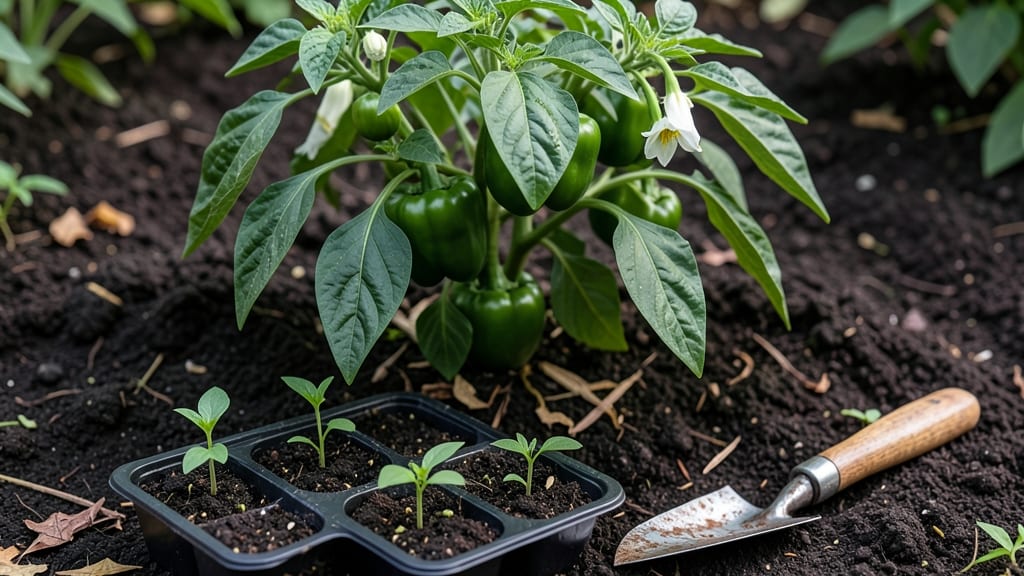
Planting bell peppers in Arizona means timing them right to beat the brutal heat—start seeds indoors 8-10 weeks before your last frost (February for most areas) or sow directly in August for fall harvests.
That scorching sun can turn your garden into a sauna, but with the right schedule, you can still grow juicy, homegrown 🌶️ peppers all year. The key? Plant when soil hits 65°F and pick heat-resistant varieties like 'NuMex Heritage' or 'Carmen.'
Skip the guesswork with exact dates by region—Phoenix gardeners can start in mid-February, while cooler Flagstaff waits until mid-March. August transplants give you a second chance for fall harvests before winter sets in.
Below, I’ll break down the best planting windows, soil prep tricks, and how to keep your peppers thriving when temps hit 110°F. Ready to grow through the heat?
Optimal planting windows for bell peppers in Arizona’s climate zones
Arizona’s diverse climate zones—from the low desert’s 110°F+ summers to Flagstaff’s cooler high-elevation springs—create unique planting opportunities for bell peppers. Unlike many vegetables, bell peppers can thrive in both spring and fall, avoiding the brutal mid-summer heat.
The key is timing: plant when soil temps hit 65°F+ and temperatures stay below 95°F for extended periods.
In Arizona, bell peppers are not frost-tolerant, so focus on planting after your last frost date (January 15 in Phoenix, March 15 in Flagstaff) or in late summer for fall harvests.
This two-season approach lets you enjoy fresh peppers from May through November—just in time for salsas, stuffing, and grilling! The challenge? Avoiding heat stress (wilting, blossom drop) and soil-borne diseases that flourish in monsoon humidity.
For Phoenix and Tucson gardeners, the spring window (Feb–March) is your best bet for a May–June harvest. Plant transplants (not seeds) after the last frost—soil should be 65°F+ and night temps above 55°F.
In Flagstaff or Sedona, wait until April when soil warms enough, but rush to harvest by July before summer heat sets in.
Fall planting is where Arizona shines: August–September sowings yield peppers from October through December, just as summer’s intensity fades. The trick? Choose fast-maturing varieties (60–70 days) to finish before first frost (Dec 15 in Phoenix, Nov 15 in Flagstaff).
I’ve had success with ‘Carmen’ and ‘Aristotle’—both handle heat better than standard varieties.
If you’re in Yuma or the lower Colorado River Valley, you can push the envelope: plant year-round with drip irrigation and shade cloth during peak summer. However, most Arizona gardeners will find spring and fall the most reliable strategies.
The monsoon season (July–August) brings humidity that can trigger bacterial spot, so avoid planting then unless you’re using copper fungicides.
Pro tip: Soil temperature matters more than air temperature. Use a soil thermometer to confirm 65°F+ before planting. In desert soils, black plastic mulch can raise temps by 10°F+, giving you a 2-week head start.
Pair this with drip irrigation (not overhead watering) to keep foliage dry and prevent fungal diseases like powdery mildew.
For container growers in urban areas, timing shifts slightly: move pots outdoors in late March for spring or mid-August for fall, hardening off seedlings first. Containers dry out 3x faster in Arizona’s sun, so check moisture daily.
I’ve grown ‘NuMex Heritage’ in 5-gallon pots on my patio with daily watering—just don’t let soil dry completely between waterings.
Remember: Heat stress symptoms include yellowing leaves, dropped flowers, and blossom-end rot. If temps hit 100°F+, provide 30–50% shade cloth during peak afternoon sun.
Even heat-tolerant varieties will struggle if soil moisture drops below 50%. Mulch with straw or wood chips to retain moisture and keep roots cool.
With these zone-specific windows, you can enjoy homegrown bell peppers for half the year
Best heat-resistant bell pepper varieties for Arizona gardens
Arizona’s 100°F+ temperatures can wilt even the hardiest plants, but these heat-resistant bell pepper varieties thrive in the desert sun. I’ve grown them myself in Phoenix and Tucson—here are the top 5 that deliver sweet, juicy peppers without wilting under the relentless heat.
These varieties also resist common Arizona pests like aphids and spider mites, making them low-maintenance heroes for your garden.
When selecting varieties, focus on early maturity (to avoid summer’s peak heat) and disease resistance. The table below compares their heat tolerance, days to harvest, and yield potential—critical factors for Arizona’s long growing season.
For example, ‘NuMex Heritage’ matures in just 60 days and handles 110°F+ with ease, while ‘Carmen’ offers bold, thick walls perfect for stuffing.
For sweet peppers, prioritize ‘Carmen’ or ‘Jupiter’—both deliver blocky, thick-walled fruits perfect for grilling or stuffing. If you prefer spicier varieties, ‘NuMex Heritage’ is my go-to; it matures quickly and handles Arizona’s dry heat without wilting.
Pro tip: Plant these in late summer (August-September) for a fall harvest before temps drop.
All these varieties benefit from black plastic mulch to retain soil moisture and shade cloth (30-50%) during peak afternoon heat (12-4 PM). I’ve seen ‘Aristotle’ produce multi-colored peppers even under 110°F shade cloth, proving these picks are Arizona-proof.
Pair them with drought-tolerant herbs like rosemary or thyme to create a low-water companion garden.
If you’re growing in containers, choose ‘Gypsy’ for its compact size—it thrives in 5-gallon pots and produces sweet, early peppers even in urban heat islands.
For maximum yield, succession plant ‘Carmen’ every 2-3 weeks from August through October. This staggered approach ensures a continuous harvest until first frost.
Remember: Heat stress causes peppers to drop blossoms or develop blossom-end rot. To prevent this, water deeply at the soil base (not overhead) and avoid fertilizing during 100°F+ days. These varieties are your secret weapon for beating Arizona’s heat—plant them, protect them, and enjoy homegrown peppers year-round! 🌶️