
Plants
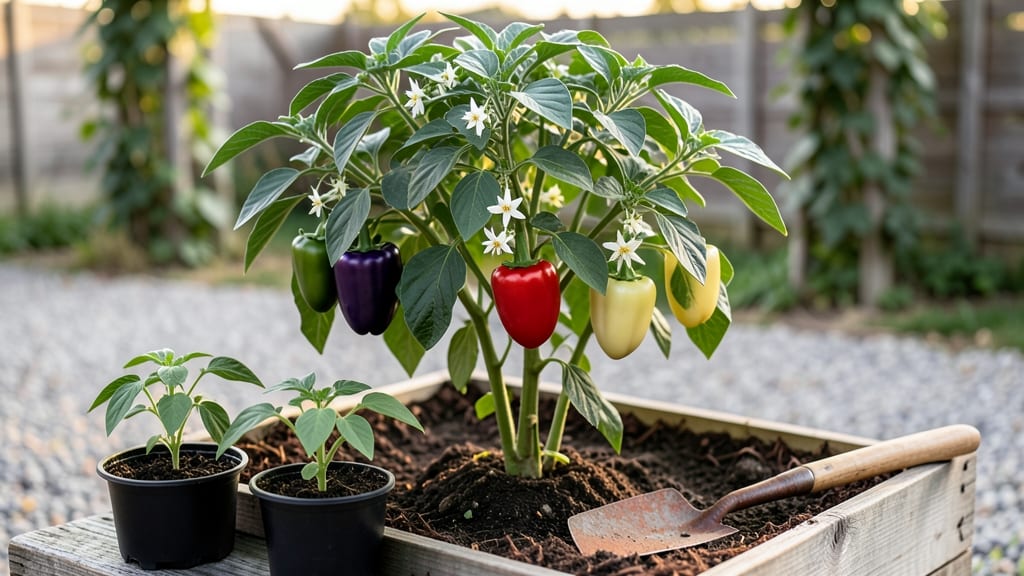
Planting bell peppers in Indiana at the right time means the difference between a bountiful harvest and wasted effort—aim for mid-April to May 15 when soil warms past 60°F.
Indiana’s unpredictable spring weather can make or break your bell pepper harvest—plant too early, and frost will kill your seedlings; too late, and your yield suffers. Timing isn’t just about dates—it’s about soil temperature, microclimates, and avoiding late-season heat stress.
Most gardeners in Indiana’s USDA Zone 6a wait until after the last frost (around April 15) to transplant seedlings, but soil warmth is the real trigger. Cold soil delays germination, while warm soil (above 65°F) speeds up growth and fruit production.
Below, I break down the exact planting window for your region, how to test soil temperature, and three key mistakes that ruin timing—so you can maximize your 🌶️ harvest from July through October.
Optimal planting dates for bell peppers in Indiana based on soil temperature
Bell peppers love warmth, but Indiana’s unpredictable spring makes timing tricky. The key isn’t just the calendar—it’s soil temperature. Seeds need 50°F+ soil to germinate, while transplants thrive at 65°F+.
In Indiana’s USDA zones 5-6, this typically translates to mid-April to early May, but northern Indiana may need to wait until late May.
Southern Indiana (zones 6a-6b) often sees warmer soils earlier, allowing planting by April 15. Northern Indiana (zone 5b) should wait until May 1-15 to avoid late frost risks. Always check your local last frost date—Indiana’s average ranges from April 15 (south) to May 1 (north).
Soil temperature is your best guide. Use a soil thermometer to confirm warmth before planting. Cold soil delays germination and invites fungal diseases. If your soil is below 60°F, hold off—even if the air feels warm.
For direct sowing, wait until after May 1 statewide to minimize frost damage. If you start indoor seedlings 8-10 weeks before the last frost, you can transplant earlier (around April 20-May 1 in southern Indiana). Harden off seedlings for 7-10 days before moving them outside.
Microclimates matter! South-facing slopes warm faster, while low-lying areas stay cooler longer. Urban areas may also experience urban heat islands, allowing earlier planting. Observe your garden’s sun exposure patterns to fine-tune timing.
Here’s a quick soil temperature cheat sheet for Indiana bell pepper planting:
If you’re direct sowing, plant seeds 1/4 inch deep in well-drained soil once nighttime temperatures stay above 55°F. For transplants, wait until soil is 65°F+ and air temps are consistently above 60°F. Use black plastic mulch to warm soil faster if needed.
For extended harvests, consider succession planting every 2-3 weeks until June 15. Southern Indiana gardeners can even try a late July planting for fall peppers, using heat-tolerant varieties like ‘Jupiter’ or ‘Carolina Wonder’.
Always monitor weather forecasts for late frosts. If frost threatens after planting, cover seedlings with row fabric or a cloche. Bell peppers are frost-sensitive, so don’t rush—better late than sorry!
Pro tip: Plant basil or marigolds nearby to deter pests and improve pepper flavor. These companions thrive in the same full-sun conditions and warm soil that bell peppers love.
How to extend the Indiana bell pepper growing season for maximum yield
Indiana’s short growing season doesn’t have to limit your bell pepper harvest. With the right strategies, you can push your pepper plants to produce well into October—or even November—when temperatures drop. The key is combining season extension tools with heat-tolerant varieties and smart planting techniques.
Many gardeners stop planting peppers after the last frost date, but that’s a missed opportunity. By using row covers, cold frames, and succession planting, you can create a protected microclimate that keeps your plants thriving when cooler weather arrives.
This approach isn’t just for experienced growers—even beginners can extend their season with simple tools and a little planning.
-
Step 1: Choose Late-Season Varieties
Opt for heat-tolerant and cold-resistant varieties like ‘Carolina Wonder’ (matures in 75 days) or ‘Jupiter’ (80 days). These varieties handle cooler nights better than standard types. -
Step 2: Use Row Covers or Cold Frames
Install floating row covers or mini cold frames by early September to trap heat and protect plants from light frosts (down to 28°F). Secure covers tightly to avoid wind damage. -
Step 3: Succession Plant Every 2 Weeks
Start new pepper seedlings every 2 weeks from June through early August. This ensures a continuous supply of peppers as older plants mature and produce.
Don’t overlook the power of mulching to insulate soil and retain warmth. A thick layer of straw or black plastic mulch can raise soil temperatures by 5–10°F, giving your peppers a head start in cooler weather.
Pair this with drip irrigation to keep roots consistently moist without wetting the foliage, which reduces disease risk.
For gardeners in northern Indiana, consider using hoop houses or low tunnels to create a greenhouse-like environment. These structures can extend the season by 4–6 weeks and are surprisingly affordable to build.
Even a simple clear plastic tunnel over a few plants can make a dramatic difference in late-season yields.
Harvesting is the final step in maximizing your extended season. Keep picking peppers regularly to encourage more production. If frost threatens, harvest any remaining peppers—even underripe ones—since they’ll ripen indoors. Store them in a cool, dark place (like a pantry) to finish maturing over the next few weeks.
With these strategies, you’ll enjoy fresh bell peppers long after your neighbors have given up for the year. The secret isn’t just about growing longer—it’s about growing smarter with the tools and knowledge at your disposal. 🌶️🌿