
Companion Plants
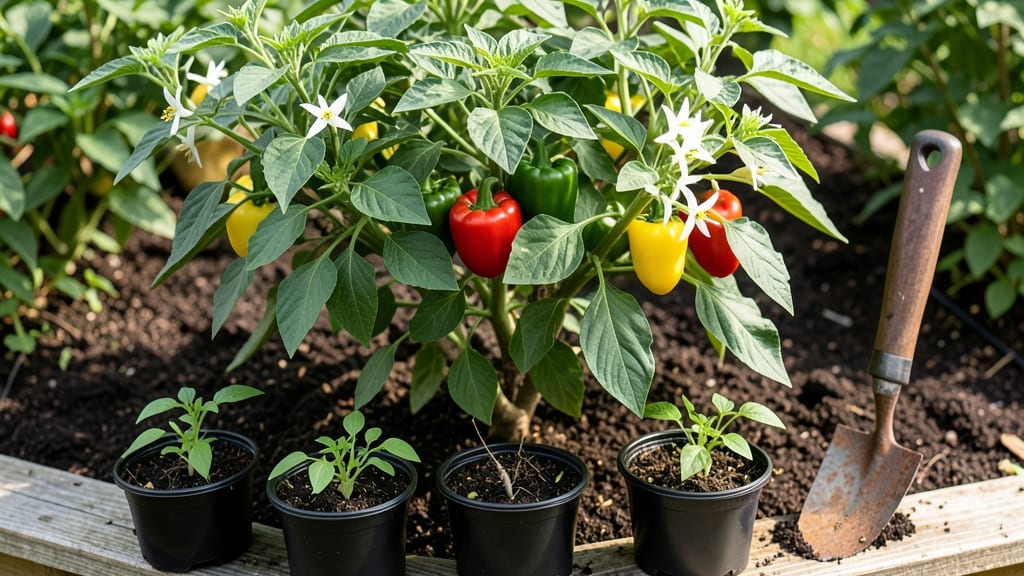
Planting bell peppers in PA after the last frost date is the key to a bountiful harvest 🌶️ — and getting it wrong means wasted seedlings or stunted plants.
You’ve probably heard that timing matters, but here’s the catch: Pennsylvania’s frost dates vary wildly from county to county, and planting too early can fry your seedlings while waiting too long cuts your harvest short.
In this guide, I’ll break down the exact planting windows for your county, including when to start seeds indoors and how to adjust for early vs. late varieties.
You’ll also learn how to avoid common mistakes—like ignoring soil temperature or misjudging frost risk—and how to extend your growing season with simple tricks like row covers.
PA last-frost dates by county: exact bell pepper planting windows
Pennsylvania's diverse climate means your bell pepper planting window depends heavily on your county's last frost date. In USDA Zones 4-7, frost can linger until mid-May in the north but arrives as early as April in the south.
To maximize your harvest, plant after soil warms to 60°F+—cold soil stunts growth and delays fruiting.
I've broken down exact planting windows by county, including early, mid, and late options. For short-season varieties (like 'Early California Wonder'), you can push the envelope slightly, but long-season types (like 'Big Beef') need the full growing season.
Always check your local agricultural extension office for updates, as frost patterns shift yearly.
Here’s how to use this guide: Find your county, note the last frost date range, then add 2-4 weeks for soil warming. For example, if your county’s last frost is May 10, aim to transplant by May 24—but wait until soil hits 60°F before committing.
Use a soil thermometer to avoid guesswork.
| County | USDA Zone | Last Frost Date | Early Planting (Risky) | Ideal Planting | Late Planting (Backup) |
|---|---|---|---|---|---|
| Allegheny | 6a | April 25 - May 5 | May 10 (with row cover) | May 20 - June 1 | June 10 (short-season only) |
| Berks | 6b | April 20 - May 2 | May 5 (with cover) | May 15 - May 25 | June 5 |
| Bucks | 6b | April 22 - May 3 | May 7 (with cover) | May 18 - May 28 | June 7 |
| Chester | 7a | April 10 - April 20 | April 25 (low risk) | May 5 - May 15 | May 25 |
| Erie | 5b | May 5 - May 15 | May 20 (with cover) | June 1 - June 10 | June 20 (short-season) |
| Lancaster | 6b | April 25 - May 5 | May 10 (with cover) | May 25 - June 5 | June 15 |
| Lehigh | 6b | April 22 - May 2 | May 7 (with cover) | May 18 - May 28 | June 7 |
| Luzerne | 5b | May 1 - May 10 | May 15 (with cover) | May 25 - June 5 | June 15 |
If you're in Zone 4 (northwest PA), like Erie or Luzerne counties, frost can linger until mid-May, so prioritize short-season varieties or use row covers to extend your window. In Zone 7 (southeast PA), like Chester County, you can plant as early as late April
How to adjust planting time for early vs. late varieties
Bell peppers thrive in warm soil and long growing seasons, which makes choosing the right variety and planting time critical in Pennsylvania. Early varieties mature in 60-75 days, while late varieties need 80-90 days.
Matching your last frost date with the harvest window ensures a bountiful crop before fall frost hits.
Start by checking your USDA zone (PA ranges from 5b-7a). In cooler zones like Erie or Poconos, opt for early-maturing varieties like 'Early California Wonder' (60 days).
In warmer zones like Berks or Chester, you can grow longer-season varieties like 'Carmen' (85 days) or 'Jupiter' (90 days) without rushing.
| Variety Type | Days to Maturity | Best PA Zones | Planting Window | Transplant Tip |
|---|---|---|---|---|
| Early Varieties | 60-75 days | 5b-6a | Late April - Early May | Use row covers for frost protection |
| Mid-Season Varieties | 75-80 days | 6b-7a | Mid-May - Early June | Hardier; transplant after soil hits 65°F |
| Late Varieties | 80-90+ days | 7a | Early May - Mid-May | Start indoors 8-10 weeks before last frost |
Soil temperature is non-negotiable for bell peppers. Wait until the ground reaches at least 60°F—cold soil stunts growth and delays fruiting. Use a soil thermometer to check; in PA, this typically aligns with mid-May for most regions.
For cooler areas, consider a black plastic mulch to warm the soil faster by 5-10°F.
To extend your growing season, use season extenders like cold frames or low tunnels. These can push your harvest window by 2-4 weeks in fall, letting you grow late varieties like 'Arpad F1' (85 days) even in Zone 6b.
Pair this with drip irrigation to maintain consistent moisture—bell peppers hate soggy roots but need steady water during fruiting.
For transplanting, harden off seedlings for 7-10 days before moving them outdoors. Plant in full sun (6+ hours daily) and space seedlings 18-24 inches apart to prevent disease.
If your spring is unpredictable, stagger plantings: sow half your seeds indoors 8 weeks before last frost and half outdoors after soil warms, ensuring a continuous harvest.
Remember, late varieties reward patience with bigger, sweeter peppers, but they’re risky in shorter seasons. Balance your choices: plant 30% early, 40% mid-season, and 30% late for a diverse harvest that spans summer and early fall.
With the right timing, you’ll enjoy homegrown peppers from July through October—no grocery store needed! 🌶️