
Plants
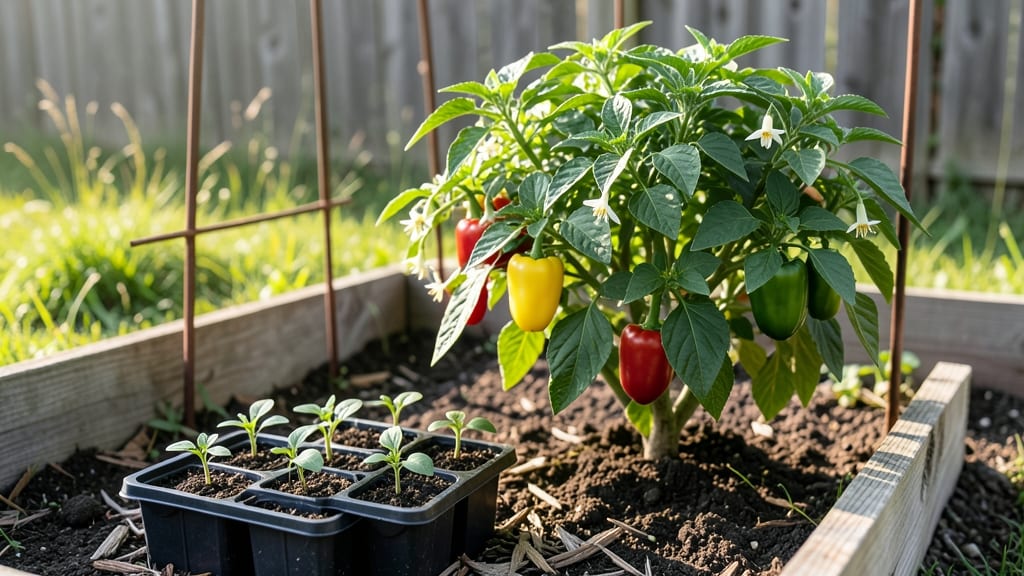
Planting peppers in Arkansas at the right time means the difference between a bumper crop of 🌶️ jalapeños and bell peppers and a sad, frost-nipped failure.
Arkansas gardeners know timing is everything—plant too early, and frost will wipe them out; too late, and your harvest arrives when summer’s heat fades. But with Arkansas’ diverse microclimates, the "perfect" planting window varies from the Delta to the Ozarks.
Most gardeners in USDA zones 7a-8a should aim for mid-April to early June after the last frost, but soil temperature is the real game-changer. Peppers won’t germinate well until the ground hits 60°F, which can mean waiting weeks longer in cooler regions.
Below, I break down the exact planting dates by microclimate, how to adjust for Arkansas’ unpredictable weather, and the best pepper varieties that thrive here—so you can finally get that harvest you’ve been dreaming of.
Arkansas pepper planting dates by microclimate zone: exact timelines for hot peppers, bell peppers & jalapeños
Arkansas' four distinct microclimates create wildly different growing conditions for peppers. The Delta region has longer, hotter summers, while the Boston Mountains experience cooler temperatures and shorter growing seasons. Understanding your zone's last frost date and soil temperature requirements is key to avoiding frost damage or stunted growth.
Peppers need soil temperatures above 60°F to germinate properly. Most Arkansas zones won't reach this threshold until mid-April to early May, but cooler mountain regions may wait until late May. For a fall harvest, aim for late July to early August planting to beat the first frost.
Here's how Arkansas' four zones compare for pepper planting:
For Delta gardeners, you can start peppers as early as mid-April thanks to warmer soils, but wait until late May in the Boston Mountains to avoid frost. The Grand Prairie offers a middle ground with late April being ideal for most varieties.
If you're starting seeds indoors, begin 8-10 weeks before your zone's last frost date. This means early February for Delta gardeners and early April for mountain regions. Use grow lights to supplement natural light until seedlings are strong enough to transplant.
For direct sowing, wait until soil temperatures consistently reach 65°F during the day. This typically occurs 2-3 weeks after your zone's last frost date. Use a soil thermometer to check—peppers won't germinate well in cooler soils.
In humid Arkansas summers, consider using black plastic mulch to raise soil temperatures by 5-10°F, extending your growing season. This is especially helpful in cooler zones like the Ozark Highlands and Boston Mountains where summer heat arrives later.
Remember that jalapeños and hot peppers generally mature faster (60-75 days) than bell peppers (75-90 days). Time your planting to ensure you harvest before the first frost, which typically arrives in mid-November in most zones.
For a second harvest, try fall planting in late July. This gives peppers enough time to mature before winter sets in. In cooler zones, choose faster-maturing varieties like 'Early Jalapeño' or 'Sweet Banana' for fall success.
🌱
How to adjust pepper planting for Arkansas’ unpredictable weather: heat tolerance, rainfall & soil prep tips
Arkansas’ humid summers and unpredictable spring rains can turn pepper gardening into a high-stakes game of chance. Too much moisture invites fungal diseases like phytophthora, while intense heat can scorch young plants before they establish roots.
The key is preparing your soil and plants to handle Arkansas’ clay-heavy, nutrient-dense conditions while avoiding common pitfalls.
Start by testing your soil’s drainage and pH. Arkansas’ clay-heavy soils (common in the Delta) retain too much moisture, so amend with compost and sand to create air pockets.
Aim for a pH between 6.0 and 6.8—peppers thrive in slightly acidic soil, but high humidity can push pH up, making nutrients less available.
Here’s the critical adjustment: Delay planting until soil temperatures hit 65°F (use a soil thermometer). In the Ozarks, this might mean waiting until mid-May, while the Delta’s warmer microclimate could allow early April starts. Black plastic mulch speeds up warming by 10-15°F, giving you an earlier window.
⚠️ Warning: Arkansas-Specific Risks
Fungal diseases (like powdery mildew) thrive in Arkansas’ 90%+ humidity during spring. Never water overhead—use drip irrigation or soaker hoses to keep foliage dry. If you spot yellowing leaves or white powder, prune infected areas immediately and apply neem oil as a preventative.
Clay soil compaction stunts root growth. Before planting, loosen soil 12 inches deep with a broadfork and mix in aged compost or leaf mold. Raised beds are ideal for urban gardeners—they warm faster and drain better than in-ground plots.
Choose disease-resistant varieties like ‘Arkansas Wonder’ bell peppers or ‘Carolina Cayenne’, bred to handle Arkansas’ high humidity. These varieties resist bacterial spot and anthracnose, two common issues in wet springs. For container gardening (great for urban areas), use 5-gallon pots with cactus/succulent mix to improve drainage.
After transplanting, mulch heavily with straw or pine needles to suppress weeds and retain moisture without smothering roots.
In July and August, when temperatures exceed 90°F, provide afternoon shade cloth (30-50% shade) to prevent sunscald on young fruit. Prune lower leaves to improve airflow—this reduces humidity trapped near the soil, cutting fungal risk by 40%.
Finally, monitor rainfall closely. Arkansas averages 50+ inches annually, with spring downpours often exceeding 2 inches in a week. If forecasted rain exceeds 1 inch, hold off fertilizing—excess nitrogen washes out in heavy rains, harming roots. Instead, side-dress with compost after storms to replenish nutrients.
With these adjustments, your peppers will thrive despite Arkansas’ chaos. Start small—test a few plants in different microclimates—to refine your approach before scaling up. Happy gardening! 🌱