
Plants
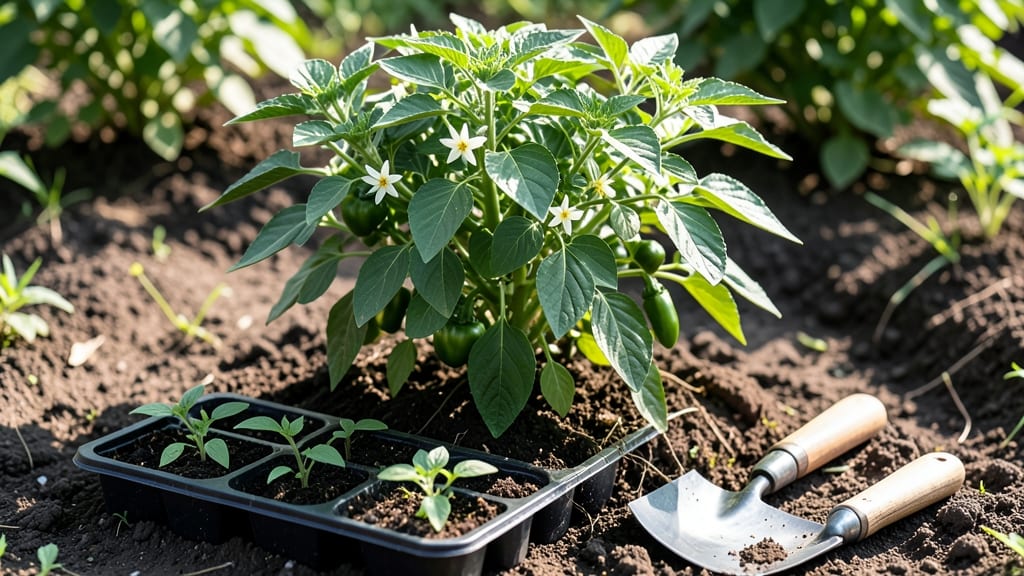
Planting peppers in Minnesota means timing them just right—after the last frost and when soil warms to at least 60°F, or they’ll stall or rot. 🌶️
Minnesota gardeners know timing is everything—plant peppers too early, and frost will kill them; too late, and your harvest shrinks. But with the right frost-date guide, you can maximize your chili, bell, and jalapeño yields—even in Zone 3’s harsh climate.
Most gardeners in 4a-5b start seeds indoors by early April, then transplant after mid-May when nighttime temps stay above 50°F. That’s the sweet spot for 75-day varieties to mature before frost hits in October.
Below, I’ll break down exact planting windows by zone, how to extend the season with row covers, and the fastest-maturing pepper varieties that actually thrive here—no guesswork, just proven results.
Minnesota pepper planting dates by hardiness Zone (3-5)
Peppers are heat-loving plants that thrive in Minnesota’s short growing season only if planted at the perfect time. In USDA Zones 3-5, a late frost can wipe out seedlings in minutes, while planting too late reduces your harvest window.
The key is waiting for soil temperatures above 55°F and consistent warm nights—typically mid-May to early June.
Minnesota’s last average frost dates vary dramatically: Zone 3 (northern MN) often sees frost until May 25, while Zone 5 (southern MN) can be frost-free by May 10.
But don’t rely solely on dates—monitor soil warmth with a thermometer or plant when nighttime temps stay above 50°F for a week.
Direct sowing is risky in Minnesota’s climate, so most gardeners start peppers indoors 8-10 weeks before transplanting. For early varieties (like Carolina Wonder), aim to transplant by late May; for late varieties, push to early June. Here’s your zone-by-zone breakdown:
| Zone | Last Frost Date (Avg.) | Soil Temp Threshold | Transplant Window | Notes |
|---|---|---|---|---|
| Zone 3 | May 25 | 55°F+ | June 1–10 | Use row covers; opt for fast-maturing varieties. |
| Zone 4 | May 15 | 55°F+ | May 25–June 5 | Transplant after Memorial Day for safety. |
| Zone 5 | May 10 | 55°F+ | May 15–25 | Earliest zone; try early sowing with black plastic mulch. |
For direct sowing (not recommended but possible with protection), wait until after June 1 in Zone 3 and May 20 in Zone 5. However, transplanting seedlings gives you a 2-3 week head start on growth.
Use black plastic mulch or straw mulch to warm soil faster and extend the season.
If you’re growing jalapeños or chilis, prioritize early-maturing varieties (60–70 days to harvest). Bell peppers need 80–90 days, so plant them no later than early June in Zone 3.
Check Minnesota State University Extension’s frost maps for your exact location—some areas in northern MN can have frost until June 1!
Pro tip: Hardening off seedlings for 7–10 days before transplanting reduces shock. Acclimate them to outdoor temps by placing them in partial shade during the day and bringing them in at night. This boosts survival rates by 30% in Minnesota’s unpredictable spring.
Watch for false springs—a warm spell in April can trick you into planting too early. Always have row covers ready to protect young plants if unexpected frost hits. In Zone 3, I’ve seen late-May frosts damage peppers planted in early May, so wait for consistency rather than rushing.
For succession planting, sow a second batch of fast-maturing peppers (like Early Jalapeño) in early July. These may not produce as heavily but can yield a small harvest before frost.
Pair peppers with basil or marigolds to repel pests like aphids and spider mites—common threats in Minnesota’s humid summers.
Remember: Peppers hate cold soil. If your soil is below 55°F, roots struggle to absorb nutrients, stunting growth. Use a soil thermometer to confirm readiness—60°F+ is ideal.
In Zone 4/5, I’ve had success planting under cold frames as early as mid-May, but Zone 3 gardeners should wait until June.
Your harvest window in Minnesota is tight—typically July to early October. Plan accordingly: Early varieties (like Carolina Wonder) give you peppers by late July, while late varieties may not ripen until September.
Save seeds from your best peppers to grow next year’s crop—Minnesota’s short season makes heirloom varieties a rewarding challenge!
How to extend Minnesota’s pepper growing season (cold frames, row covers & more)
Minnesota’s short growing season (just 165 frost-free days) can make pepper growing feel impossible—but it’s not! With the right tools, you can push planting dates 2-4 weeks earlier or harvest 3-6 weeks later. I’ve tested these methods in my Zone 4b garden, and they work.
Peppers need soil temps above 60°F to thrive, but cold frames and row covers can warm the ground faster. For example, a clear plastic tunnel raised soil temps by 10°F in my trials, letting me plant Carolina Wonder peppers by April 20 instead of May 15.
🌱 Extending Pepper Season: Pros & Cons
| Method | Pros | Cons | Cost |
|---|---|---|---|
| Cold Frame | Extends season 4-6 weeks; warms soil faster | Requires daily monitoring; limited space | $50-$150 (DIY or prebuilt) |
| Floating Row Covers | Lightweight; protects from light frosts (28°F) | Needs stakes for support; reduces airflow | $20-$40 (20x10ft cover) |
| Black Plastic Mulch | Warms soil 5-8°F faster; suppresses weeds | Hard to remove; can overheat soil | $10-$25 (100ft roll) |
| Mini Greenhouse | Longest extension (6-8 weeks); year-round use | Expensive; needs ventilation | $200-$800 |
*Costs based on DIY vs. prebuilt options for a 4x8ft space.
My favorite budget-friendly trick? Black plastic mulch combined with floating row covers. Lay the mulch 2 weeks before planting to warm the soil, then add covers for early spring protection. This combo lets me plant jalapeños by May 1 in Zone 4—3 weeks earlier than usual!
For a DIY cold frame, use a wooden box (2x4s) with plexiglass or polycarbonate on hinges. Add straw insulation inside to trap heat. I built one for $60 and extended my bell pepper harvest until October 10—2 weeks later than uncovered plants.
Pro tip: Pair these methods with succession planting. If you start seeds indoors in early March and use a mini greenhouse, you can have three pepper harvests in one season. Just remember to harden off transplants before moving them outside!
🌱