
Plants
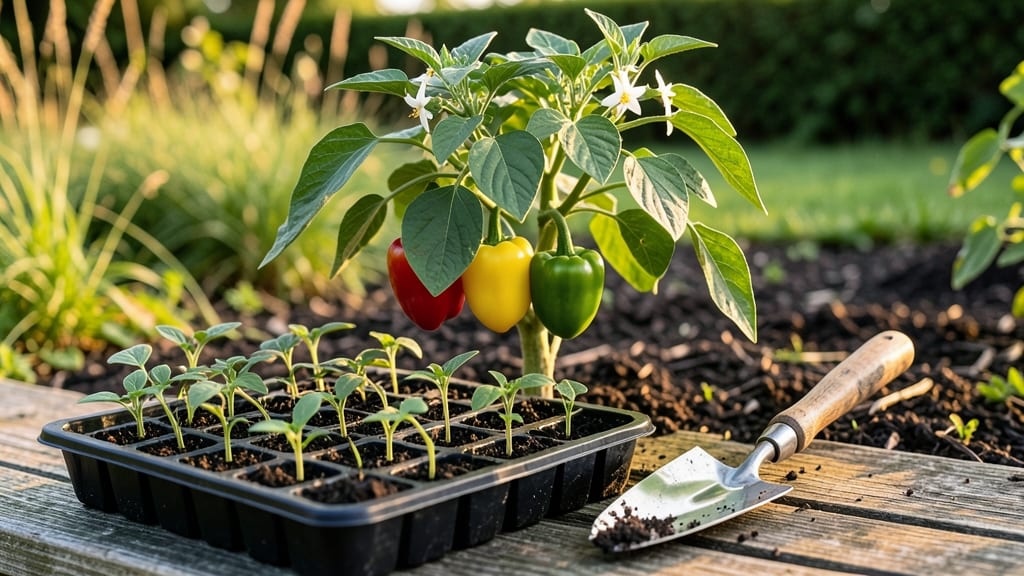
Planting peppers in Texas at the right time means the difference between a garden full of spicy rewards and a sad pile of frost-killed seedlings.
Texas gardeners know timing is everything—plant peppers too early, and frost will kill them; too late, and summer heat arrives before harvest. Get this right, and you’ll enjoy a bumper crop of sweet bell peppers, jalapeños, and habaneros all season long.
North Texas gardeners should aim for mid-March transplants, while South Texas growers can start seeds as early as late February. The key is waiting until soil temperatures hit at least 60°F—any cooler, and your 🌶️ plants will struggle to germinate.
Below, I break down the exact planting windows by region, how to adjust for heat zones, and the best varieties for Texas’ long growing season—so you can avoid common mistakes and harvest like a pro.
Texas pepper planting calendar by region: exact months for peak harvests
Texas gardeners face a unique challenge: frost in February can kill tender pepper seedlings, while 100°F+ summers stress plants if planted too late. The key is matching your USDA zone to precise planting windows.
North Texas (Dallas/Fort Worth) has cooler springs, while South Texas (Houston/Edinburg) can plant earlier due to warmer soil temperatures. Let’s break it down by region to maximize your harvest yield.
Peppers thrive in warm soil (60°F+) and need 6-8 hours of sun daily. In Texas, this means starting seeds indoors 8-10 weeks before last frost or transplanting hardened seedlings after April 15 in most zones.
Direct sowing outdoors works best after May 1 in cooler regions or March 15 in South Texas. The difference between these timelines can mean the difference between a bountiful harvest and a failed crop.
Why timing matters: Planting too early risks frost damage, while planting too late means peppers bolt (flower prematurely) under Texas summer heat. For example, jalapeños need 75-90 days to mature—plant them in April for a June harvest, but in South Texas, you can stretch this to March or even February under row covers. Let’s dive into the exact month-by-month breakdown for each Texas region.
In North Texas, where last frosts can hit February 15, I recommend starting pepper seeds indoors by March 1 and transplanting seedlings after April 15. This gives peppers enough time to establish roots before summer heat arrives.
For direct sowing, wait until May 1 when soil temperatures consistently stay above 60°F. Bell peppers and jalapeños planted this way typically harvest from July to October.
Central Texas gardeners have a 2-week advantage due to warmer soil. Start seeds indoors by February 15 and transplant by March 20. You can even direct sow as early as April 1 in protected microclimates.
This earlier start means peak harvests begin in June, giving you a longer growing season. Habaneros and Aristotle peppers (heat-tolerant varieties) thrive here with minimal stress.
South Texas is the golden zone for peppers—no frost risk after January 1 means you can start seeds indoors by January 15 and transplant by February 15. Direct sowing works as early as March 1, and harvests stretch from May to November.
This region’s longer growing season allows for succession planting every 2-3 weeks to ensure continuous peppers all summer.
Pro tip: Use black plastic mulch to warm soil faster in North and Central Texas. This raises soil temperatures by 5-10°F, letting you plant 2-3 weeks earlier without frost risk.
In South Texas, focus on shade cloth (30-50%) during peak summer heat (June-August) to protect peppers from fruit scorch and bolt stress.
For heat-sensitive varieties like Carolina Wonder, stick to early planting (March-April) in North Texas. In contrast, heat-loving varieties such as Jupiter or Aristotle can handle South Texas summers
How to adjust planting times for Texas heat zones and variety types
Texas’s diverse heat zones and intense summer sun demand smart adjustments to pepper planting times. Some varieties, like 'Jupiter' peppers, thrive in 90°F+ heat, while 'Carolina Wonder' tolerates cooler spring temperatures better.
The key? Matching your local microclimate with the right planting strategy—whether that’s early starts, shade protection, or succession planting.
In North Texas (Zones 7b-8a), where late frosts linger until mid-March, opt for cold-hardy varieties like 'Carolina Wonder' or 'Arkansas Traveler.' These can handle 50°F nights after transplanting.
Meanwhile, South Texas (Zones 9a-10b) gardeners should focus on heat-tolerant types like 'Jupiter' or 'Aristotle,' which produce even when temps hit 105°F—but only if planted after April 15.
- 1 Start cold-tolerant varieties (e.g., 'Carolina Wonder') indoors by February in North Texas—transplant after last frost (mid-March).
- 2 Direct-sow heat-lovers (e.g., 'Jupiter') after April 15 in South Texas—soil must be 70°F+ to prevent blossom drop.
- 3 Use shade cloth (30-50%) for June-August to protect mature plants from sunburn—especially in Central Texas.
- 4 Mulch with straw to retain moisture and keep roots 10°F cooler—critical during July heatwaves.
- 5 Succession plant every 2 weeks from April to July for continuous harvests—swap out early varieties for late-season types like 'NuMex Sandia.'
For Central Texas (Zones 8a-9a), strike a balance with early varieties like 'Big Jim' (harvests in 70 days) followed by longer-season types like 'Poblano' (harvests in 90 days).
Plant the first batch in early March and the second in late April—this staggered approach ensures peppers ripen before October’s first frost.
Don’t overlook succession planting—it’s the secret to a year-round harvest. In my Austin garden, I plant 'Jalapeño M' every 2 weeks from April to June, guaranteeing fresh peppers until November.
Pair this with drip irrigation to avoid wetting leaves, which reduces fungal diseases like pepper blight.
If you’re in East Texas (Zones 7b-8a), where humidity spikes in summer, prioritize disease-resistant varieties like 'Carolina Cayenne' and space plants 18 inches apart for airflow. Use black plastic mulch to raise soil temps 5-10°F faster—this helps early starts avoid chilly spring nights.
Pro tip: Monitor soil temps with a thermometer—peppers need 60°F+ to germinate. In West Texas (Zones 8a-9a), where drought stress is common, choose drought-tolerant types like 'NuMex Heritage' and water deeply 2x/week instead of daily shallow watering.