
Picking
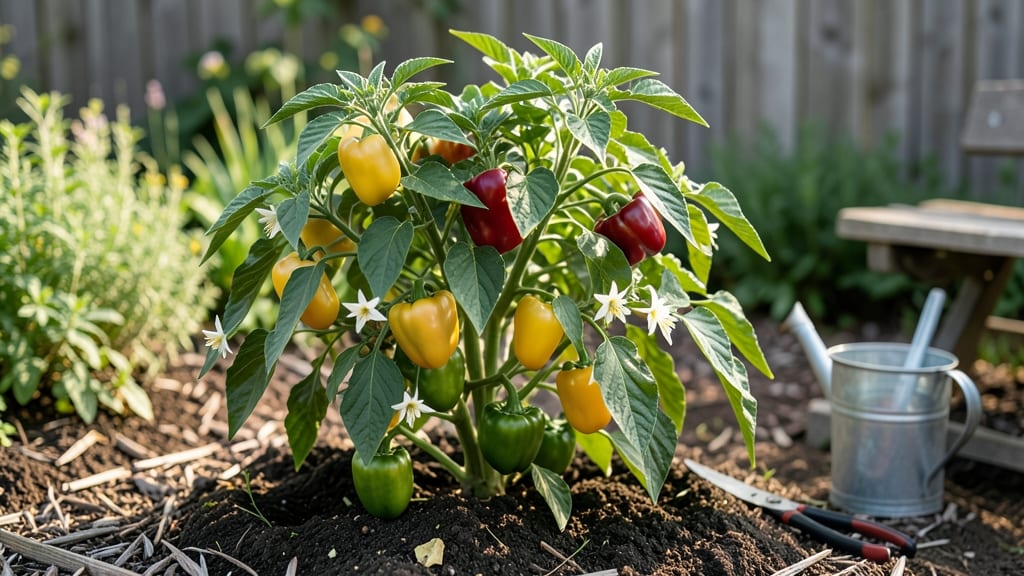
Bell peppers are grown in warm climates worldwide, with major production concentrated in Mediterranean regions, the Americas, and parts of Asia. Leading producers like Spain, Mexico, China, and California rely on consistent temperatures above 70°F and abundant sunlight for optimal harvests.
These vibrant vegetables prefer regions where summer temperatures hover between 70-90°F, with at least 6-8 hours of direct sunlight daily. 🌿 The soil must be well-draining with a slightly acidic pH (6.0-6.8), though some varieties tolerate wider ranges.
In California's Central Valley, for instance, growers use drip irrigation to conserve water during the dry season, while Spain's Almería region dominates European production thanks to advanced greenhouse technology that extends growing seasons year-round.
What sets these regions apart isn't just climate but also cultivation techniques. Mexican farmers often grow peppers in open fields using traditional methods passed down for generations, while Chinese producers focus on high-yield hybrid varieties suited for large-scale mechanized harvesting.
Each approach reflects local conditions—whether it's Spain's Mediterranean warmth or California's coastal fog patterns that influence planting times and pest management strategies.
💡 In This Article
- Climate and Soil Conditions for Growing Bell Peppers
- Top Bell Pepper Producing Countries and Their Cultivation Methods
Climate and soil conditions for growing bell peppers
Bell peppers are tropical plants at heart, demanding consistent warmth to thrive. The optimal temperature range for growth sits between 70-90°F during the day, with nighttime temperatures never dipping below 55°F. Below 50°F, growth stalls completely, and frost will kill the plants instantly.
This explains why regions like California's Central Valley and Spain's Almería can produce bell peppers year-round while northern climates rely on greenhouses or short growing seasons.
The sunlight requirement is equally precise: bell peppers need 6-8 hours of direct sunlight daily to develop their signature sweetness and vibrant colors. Without sufficient light, plants become leggy and produce smaller, less flavorful peppers. In cloudy regions, growers often use reflective mulches or supplemental lighting to compensate.
The soil must be well-draining with a slightly acidic pH between 6.0-6.8—too alkaline (7.5+) can lead to nutrient deficiencies like calcium deficiency (blossom end rot), while overly acidic soil (5.5-) inhibits phosphorus uptake.
What makes these conditions so critical is how they interact with the plant's biology. Bell peppers are C3 plants, meaning they use a photosynthesis pathway that's particularly sensitive to temperature fluctuations.
When nights stay too warm (75°F+), the plant's natural flowering cycle gets disrupted, leading to poor fruit set. This is why Mexican farmers in hot inland regions often plant during cooler months (September-October) to align with the plant's biological rhythms.
The soil's organic matter content also matters—ideal growing conditions require 2-3% organic material to retain moisture while preventing compaction.
Regional variations create fascinating adaptations. In Spain's greenhouses, growers maintain 80-85°F daytime temperatures year-round using geothermal heating, while California farmers contend with coastal fog that can drop temperatures 20°F overnight. The solution?
Drip irrigation systems that deliver water directly to roots while keeping foliage dry—a critical factor in preventing fungal diseases like powdery mildew, which thrives in humid conditions above 80% relative humidity.
Soil drainage becomes especially important in rainy seasons, as waterlogged roots can't absorb oxygen, leading to root rot within 48 hours.
One often overlooked factor is wind exposure. While bell peppers need good air circulation to prevent disease, strong winds (> 10 mph) can damage delicate flowers and developing fruit. This is why many commercial operations use windbreaks or plant peppers near natural barriers like hedgerows.
The plant's shallow root system (12-18 inches deep) also means soil moisture must be carefully managed—too little causes blossom drop, while excess leads to cracked peppers. This balance explains why drip irrigation has become the gold standard in commercial cultivation.
For home gardeners, these conditions translate to careful site selection. South-facing plots with afternoon shade receive ideal light exposure, while raised beds improve drainage in heavy clay soils. The key takeaway?
Bell peppers reward precise growing conditions with abundant harvests—but they punish neglect with visible stress symptoms like yellowing leaves (nutrient deficiency) or stunted growth (temperature shock). 🌱