
Pests and Diseases
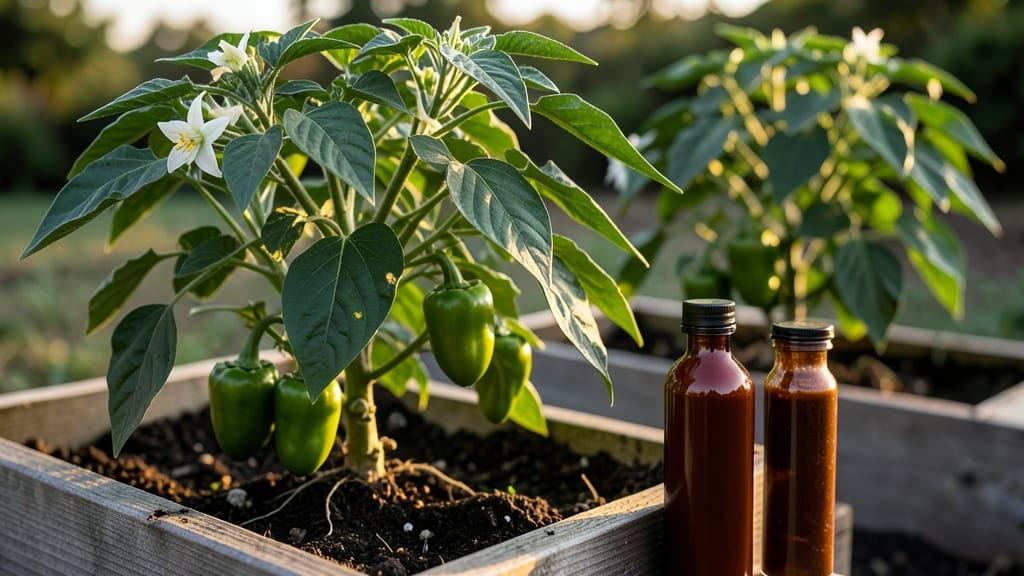
Cayenne's capsaicin works like a natural irritant for pests, but plants don't have the same protective mechanisms as insects. 🌱 For example, tomatoes can handle diluted sprays better than succulents, which have thinner, more sensitive leaves.
The key is dilution—most gardeners use 1-2 tablespoons of cayenne powder per quart of water, but even this can vary by plant type. I've seen basil thrive with cayenne sprays while mint shows signs of stress, proving that plant resilience matters just as much as the concentration.
What's interesting is how capsaicin affects different plant parts. Roots may absorb diluted solutions without issue, but foliage can develop brown patches if the spray sits too long. Always apply in the early morning so leaves have time to dry before evening dew forms.
For container plants, I recommend using a spray bottle to avoid oversaturation of the soil.
💡 In This Article
- How Capsaicin Affects Plant Health and Growth
- Safe Cayenne Pepper Sprays for Pest Control in Gardens
How capsaicin affects plant health and growth
Capsaicin, the compound that gives cayenne its heat, works by binding to plant cell membranes, particularly in sensitive tissues like leaves and stems. At high concentrations (typically above 0.5% capsaicin by weight), it disrupts cellular integrity by increasing membrane permeability, causing leakage of vital nutrients and water.
This is why concentrated cayenne powder or extracts can appear as brown, crispy patches on foliage within 24-48 hours—the plant's cells essentially "bleed out" their contents. 🔥
The impact varies dramatically by plant type. Succulents and cacti, with their waxy, thick leaves, are far more resilient than broadleaf plants like lettuce or basil. For instance, a 1% capsaicin solution might cause minor leaf burn on tomatoes but severe damage to strawberries.
Even the soil microbiome suffers—capsaicin can temporarily inhibit beneficial bacteria and fungi in the rhizosphere, which may slow root growth or nutrient uptake. Always test on a small, inconspicuous leaf first, especially with delicate plants.
Photosynthesis gets disrupted too. Capsaicin interferes with chlorophyll production in some species, reducing the plant's ability to convert sunlight into energy. I've observed this in my own garden: peppers sprayed with undiluted cayenne showed yellowing between veins (interveinal chlorosis) within a week.
The good news? Most plants recover if the damage is caught early, but chronic exposure can stunt growth or make plants more susceptible to disease. Dilution is everything—1 teaspoon per gallon is a safer starting point for most vegetables.
Root systems face different risks. While capsaicin doesn't penetrate deep soil well, concentrated applications near the base can irritate root hairs, reducing their ability to absorb water and nutrients. This is particularly problematic for seedlings or newly transplanted plants, whose root systems are still establishing.
The key is application method: always spray foliage (not soil) and avoid oversaturating the base. For container plants, I recommend mixing cayenne into the top 1/4 inch of soil only if targeting soil pests like fungus gnats.
Temperature and humidity play hidden roles. Capsaicin's effects intensify in hot, dry conditions because the compound becomes more volatile and evaporates more slowly on leaf surfaces. In my 90°F summer garden, I've seen cayenne sprays cause leaf burn twice as fast as in cooler weather.
Always apply early morning when humidity is highest and temperatures are moderate. For tropical plants like hibiscus, I reduce the concentration by half to account for their thinner, more permeable leaves. 🌿
Not all plants react the same way. Some, like marigolds and nasturtiums, actually thrive with cayenne sprays—their natural resilience makes them ideal companion plants for pest control. Others, like squash or cucumbers, show no visible damage but may experience subtle growth inhibition.
The takeaway? Always research your specific plant's tolerance before applying, and remember: what works for tomatoes might harm your prized orchids. When in doubt, start with 1/4 teaspoon per gallon and monitor closely.