
Companion Plants
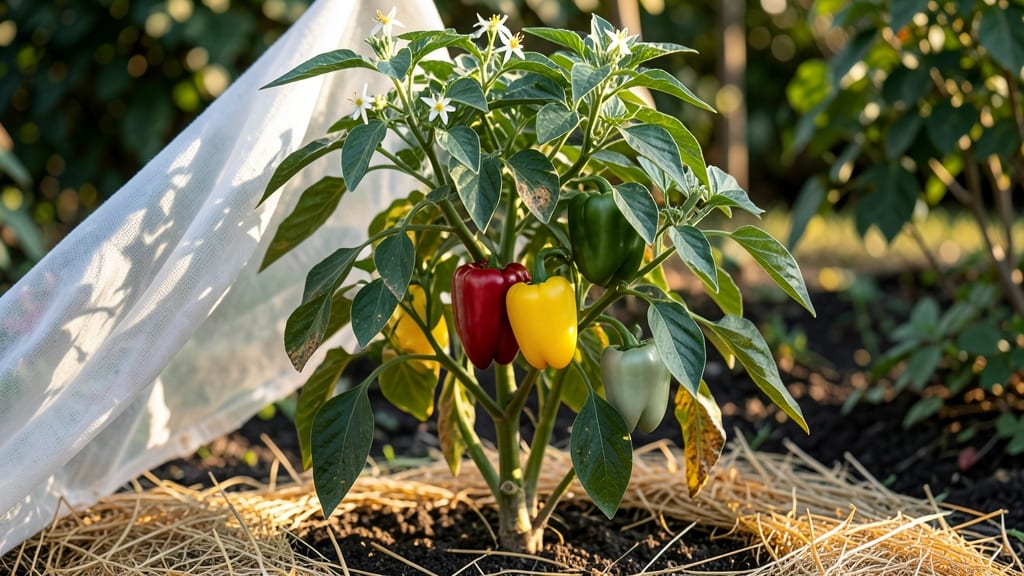
Wintering pepper plants 🌶️ is easier than you think — and it could mean fresh peppers well into next spring.
Cold weather doesn’t have to mean the end of your pepper harvest. With the right techniques, you can overwinter your plants and enjoy fresh peppers well into the next growing season.
Whether you're dealing with chilly Zone 6 winters or just want to extend your harvest, these strategies will keep your peppers thriving.
From choosing cold-hardy varieties to mastering indoor transitions, I’ll walk you through the key steps to protect your investment. You’ll learn when to bring plants inside, how to maintain light and temperature, and how to troubleshoot common issues like leggy growth or pests.
By the end, you’ll have a clear plan to save your peppers and even boost next year’s yield. Let’s get started!
3 Proven methods for wintering pepper plants outdoors
When fall temperatures drop, most gardeners assume their pepper plants are done for the season—but not so fast!
With the right outdoor wintering methods, you can extend your harvest well into spring. Cold frames, row covers, and mulching techniques create microclimates that shield peppers from frost while allowing growth to continue.
These methods work best in USDA Zones 6-9, where winters are cold but not extreme.
My favorite approach depends on your local climate and available materials. For example, in Zone 7, I’ve successfully overwintered bell peppers using a simple low tunnel with clear plastic, while friends in Zone 9 rely on heavy straw mulch alone.
The key is balancing heat retention, airflow, and moisture control to avoid rot or pest issues.
Here’s how each method compares—plus my top tips for setup and maintenance to keep your peppers thriving through winter:
Let’s dive into each method with step-by-step instructions. For cold frames, I recommend using polycarbonate panels (like those from SunGro) because they diffuse light better than glass and resist shattering in freezing temps.
Build the frame at least 2 feet tall to accommodate pepper plants’ mature height and leave a 4-inch gap at the top for ventilation during mild days.
To set up a row cover, drape floating fabric (like Agribon 30) over hoops or wire arches, securing edges with soil clips or bricks. Remove covers during warm days (above 50°F) to prevent overheating.
I’ve found that removable covers work best—just roll them up when temps rise to avoid heat stress on peppers.
For mulching, apply a 6-inch layer of straw or shredded leaves around the base of plants, leaving 2 inches of stem exposed to prevent rot. Add a clear plastic mulch on top for extra insulation, but prop it up slightly to allow airflow.
This method is my go-to for Zone 8 gardens where winters are mild but occasional frosts occur.
One common mistake I see is over-mulching, which can suffocate roots. Always monitor soil moisture—peppers need less water in winter, so check soil every 7-10 days and water only if the top 1 inch feels dry. A soil moisture meter is worth the investment for accuracy.
Microclimates play a huge role in success. For example, south-facing walls or black plastic ground covers absorb heat during the day and radiate it back at night. Pair this with a cold frame and you’ve created a 10°F warmer environment than the surrounding air.
In my Zone 7 garden, this extra warmth lets me harvest peppers until Thanksgiving!
Pests and diseases are less active in winter, but aphids and fungal spores can still lurk. Inspect plants weekly and treat with neem oil if you spot pests. I also recommend pruning dead leaves to improve airflow and reduce humidity inside protective structures.
If you’re in a cooler climate (Zone 6 or below), combine all three methods: use mulch as a base, add a row cover for extra insulation, and top it with a mini cold frame for severe frosts.
This layered approach has kept my jalapeño plants alive through 20°F nights—though yields will be smaller than in summer.
Remember, pepper plants need light to survive winter. If your area gets less than 6 hours of sunlight in winter, supplement with a grow light for 12-14 hours daily. I use a LED shop light on a timer to keep my indoor-outdoor hybrid plants happy until spring.
With these three methods
Indoor wintering guide: how to move pepper plants inside successfully
Moving your pepper plants indoors before the first frost is a great way to extend your harvest, but doing it wrong can shock your plants and stunt growth. The key is gradual transitioning—not just a sudden move from garden to windowsill.
Start by monitoring local frost dates and preparing 2-3 weeks ahead. This gives your plants time to adjust to lower light and cooler temperatures without stress.
Begin by placing your pepper plants in a bright, sheltered spot outdoors during the day and bringing them inside at night. This mimics the temperature shifts they’ll experience indoors.
Over 5-7 days, gradually increase the time they spend inside until they’re fully acclimated. This method reduces the risk of transplant shock and helps maintain steady growth.
Rushing the transition can cause pepper plants to develop leggy growth (weak stems) or yellowing leaves from sudden light deprivation. Even if your plants look healthy, gradual exposure to indoor conditions prevents irreversible damage.
Avoid placing them near drafts or heating vents, which can dry out soil and stress roots.
Once indoors, position your pepper plants near the sunniest window available, ideally a south-facing one. If natural light is insufficient (less than 6 hours of sunlight daily), supplement with a grow light placed 6-12 inches above the plants.
LED grow lights are energy-efficient and mimic full-spectrum sunlight, which is crucial for preventing stunted growth or poor fruit development.
Maintain indoor humidity levels between 40-60% to mimic outdoor conditions. Use a humidifier or place a tray of water near the plants to increase moisture, especially if your home has dry air from forced-air heating.
Avoid overwatering—pepper plants in pots dry out faster indoors, so check soil moisture daily and water only when the top 1-2 inches feel dry.
Watch for common indoor issues like spider mites or whiteflies, which thrive in dry indoor environments. Inspect leaves weekly and treat infestations early with neem oil or insecticidal soap. Prune leggy stems to encourage bushier growth and remove any yellow or damaged leaves to redirect energy to fruit production.
With proper care, your overwintered peppers can continue producing until spring!
As temperatures rise in late winter, gradually reintroduce your pepper plants to outdoor conditions by placing them outside for a few hours daily. This hardens them off and prepares them for spring planting.
By following these steps, you’ll maximize your harvest and give your plants the best chance to thrive year-round.