
Pests
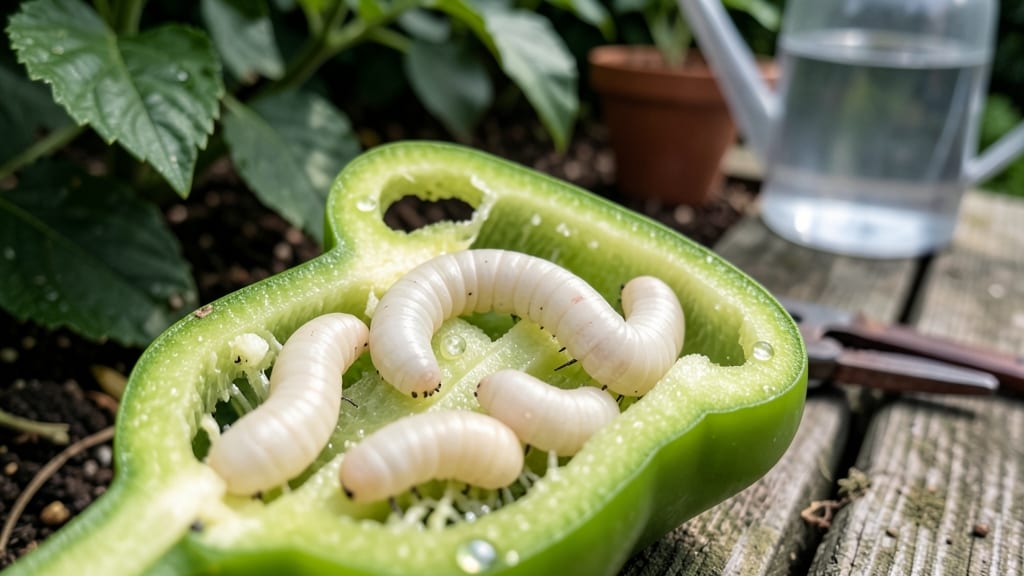
Finding worms inside your peppers is the last thing you want after months of care. 🌱 The good news? This problem has a 3-day fix—no matter whether it's hornworms or fruitworms you're dealing with.
I've battled these pests in my garden for years, and I'll show you exactly how to spot them early, remove them fast, and keep your plants thriving without toxic sprays.
The moment you notice chewed leaves or holes in peppers, you're already behind the game—but not hopeless. These worms start small, hiding under leaves before moving inside fruit. The key is acting fast: handpicking them at dusk (they're sluggish then) or using soapy water sprays to flush them out.
Most gardeners overlook the simplest solution—neem oil or BT spray—which stops new eggs from hatching.
Within 72 hours, you'll see a dramatic turnaround if you tackle the infestation right. Your peppers will stop getting eaten alive, and the plants will bounce back with stronger growth.
The secret isn't just removing the worms—it's fixing what attracts them in the first place: overwatered soil, dense foliage, and lack of beneficial predators like ladybugs.
This method works for all pepper varieties, from bell peppers to jalapeños, and keeps your harvest safe for the table. The best part? You'll prevent future infestations by rotating crops and keeping your garden clean—no more surprises when you slice into your peppers!
Let's get those plants back on track.
Root Causes Of Pepper Pests
Peppers aren’t just vulnerable to worms—they’re a magnet for them! Understanding why these critters invade your plants is the first step to kicking them out for good.
Below, we break down the top reasons your peppers are becoming a worm buffet, with science-backed explanations and actionable insights to stop the infestation.
---
Worms love damp, nutrient-rich soil—especially if it’s already hosting their favorite snacks. Cutworms, maggots, and other larvae thrive in: - Old plant debris (leftover roots, stems, or compost piles) - Overly moist soil (from poor drainage or excessive watering) - Unsterilized soil (infested with eggs or larvae from last season)
Why it happens: Peppers left in the ground after harvest or mulched with unchecked organic matter create a worm paradise. Eggs laid by adult pests (like cabbage loopers or pepper maggots) hatch in these conditions, and larvae burrow into new plants.
Actionable fix: - Remove all plant debris after harvest—compost only clean, pest-free material. - Test soil moisture—peppers need consistent hydration, but soggy soil invites pests. Aim for 1 inch of water per week (adjust for rain). - Solarize soil in spring: Cover beds with clear plastic for 4–6 weeks to kill larvae.
---
Many pepper worms start as tiny eggs laid by flying adults. Moths (like cabbage loopers or tomato hornworms), beetles, and flies target peppers because they’re soft, juicy, and easy to access.
Why it happens: - Adult moths/flies are drawn to healthy, thriving pepper plants (they’re a protein buffet for larvae). - Eggs are microscopic—you won’t see them until maggots or caterpillars emerge (usually 3–7 days after laying). - Wind or water can spread eggs from nearby infested plants.
Actionable fix: - Install row covers early in the season to block egg-laying pests. - Handpick adult moths at dusk (they’re most active then). - Use yellow sticky traps to monitor and reduce adult fly populations.
---
Worms aren’t the only problem—fungal diseases (like damping-off or powdery mildew) weaken peppers, making them more susceptible to pest attacks. Overwatering creates the perfect storm: - Soft, rotting fruit attracts fruit flies and maggots. - Wet foliage encourages cutworms and slugs to feed at night.
Why it happens: Peppers need moderate moisture, but excess water stresses roots, reducing their ability to fight off invaders. Plus, stagnant water breeds mosquitoes and fungus gnats, whose larvae munch on pepper roots.
Actionable fix: - Water at the base (not overhead) to keep leaves dry. - Improve drainage with raised beds or sand amendments. - Space plants properly (18–24 inches apart) for airflow and sunlight.
--- Nature’s pest control—ladybugs, lacewings, and parasitic wasps—keep worm populations in check. But if your garden lacks these allies, pests multiply unchecked.
Why it happens: - Pesticide use (even organic sprays) can kill beneficial insects. - Monoculture planting (growing only peppers) starves natural predators of diversity. - Urban/suburban gardens often lack wild habitats for these helpers.
Actionable fix: - Plant companion flowers (like marigolds, dill, or alyssum) to attract predators. - Avoid broad-spectrum sprays—opt for neem oil or Bacillus thuringiensis (Bt) instead. - Leave some "wild" areas in your garden for predator habitats.
--- Peppers love heat, but so do their pests. Cutworms, aphids, and spider mites thrive in warm, humid conditions, especially in: - Greenhouses or high tunnels (trapped heat = pest party). - Southern U.S. climates (long growing seasons = more generations of pests). - Overcrowded plants (shady, damp centers attract moisture-loving pests).
Why it happens: Heat speeds up larval development, meaning worms grow faster and reproduce more. Humidity also weakens pepper plants, making them easier targets.
Actionable fix: - Ventilate greenhouses or use shade cloth in peak heat. - Prune for airflow—remove crowded leaves to reduce humidity. - Harvest promptly—ripe peppers are more attractive to pests.
--- Even if your soil and garden are pristine, worms can hitch a ride on: - Infested seeds (some pests lay eggs in seed coatings). - Contaminated nursery plants (check leaves/stems for eggs before buying).
Why it happens: Mass-produced seedlings or seeds from unregulated sources may carry hidden larvae or eggs. Once planted, these pests spread rapidly to nearby crops.
Actionable fix: - Buy from reputable growers (ask about pest-free guarantees). - Inspect transplants before planting—look for tiny holes, frass (insect poop), or eggs. - Start seeds indoors if possible, using sterilized soil.
Quick Fixes for Worm-Free Peppers
Discovering worms inside your peppers can feel like a nightmare, but the good news is that you can tackle the problem fast and prevent future infestations with the right steps.
Below, we’ve mapped out practical, actionable solutions based on the most common causes—so you can reclaim your garden in just a few days.
---
Hornworms are the sneaky culprits behind chewed pepper leaves and tunnels inside fruit. Here’s how to eliminate them fast:
1. 👨🍳 Handpick & Destroy - Inspect your plants early morning or evening when hornworms are sluggish. - Look for green caterpillars (3-4 inches long) with white stripes and horn-like protrusions. - Drop them into soapy water (not compost—the eggs will hatch!) or crush them.
2. 🌿 Introduce Natural Predators - Parasitic wasps (like Cotesia congregata) lay eggs inside hornworms, killing them naturally. - Plant dill, fennel, or parsley nearby to attract these beneficial insects.
3. 🍃 Use Organic Sprays (When Needed) - Spinosad spray (derived from soil bacteria) is highly effective against hornworms. - Neem oil (mixed with a drop of dish soap) disrupts their feeding and growth. - Spray in the evening to avoid harming bees.
💡 Pro Tip: Check the undersides of leaves—hornworms love hiding there!
---
Fruitworms (like the pepper maggot) tunnel inside peppers, making them unusable. Here’s how to stop the damage:
1. 🔪 Remove & Dispose of Infested Peppers - Cut open mushy or discolored peppers—if you see tiny white larvae, toss them in the trash (not compost). - Wash your hands afterward to avoid spreading eggs.
2. 🌡️ Use Row Covers for Prevention - Cover young plants with floating row covers (lightweight fabric) to block adult flies. - Remove covers when pollination is needed (or hand-pollinate with a paintbrush).
3. 🎯 Apply Organic Insecticides - Kaolin clay (like Surround WP) creates a barrier that deters egg-laying. - Pyrethrin-based sprays (derived from chrysanthemums) kill adult flies. - Reapply every 7-10 days during peak fly season (late spring to early summer).
✨ Bonus Fix: Plant basil or marigolds near peppers—they repel fruit flies naturally!
---
These tiny pests sap plant strength, making peppers vulnerable to secondary worm infestations.
1. 💦 Blast Them Off with Water - Use a strong stream of water to knock aphids off leaves (do this early morning). - Neem oil spray (1 tsp neem oil + 1 tsp soap per quart of water) smothers mites.
2. 🐝 Encourage Beneficial Insects - Ladybugs, lacewings, and predatory mites devour aphids and spider mites. - Plant alyssum or sweet alyssum to attract them.
3. 🌿 Try Horticultural Oil - Dormant oil (applied in early spring) suffocates overwintering mites. - Reapply every 5-7 days during outbreaks.
🔥 Quick Fix Table:
| Pest | Immediate Action | Prevention Tip | |-------------------|-----------------------------------|--------------------------------------------| | Hornworms | Handpick + soapy water | Plant basil or dill as a trap crop | | Fruitworms | Remove infested peppers + row covers | Use kaolin clay spray weekly | | Aphids/Mites | Neem oil spray + water blast | Introduce ladybugs to the garden |
---
1. 🌿 Rotate Crops – Don’t plant peppers, tomatoes, or eggplants in the same spot two years in a row. 2. 🕰️ Plant at the Right Time – Start seeds indoors 8-10 weeks before last frost for a head start.
3. 🌡️ Maintain Healthy Soil – Compost + balanced fertilizer makes plants less attractive to pests. 4. 🚫 Remove Debris – Clear fallen leaves and plant waste where eggs may hide. 5. 👀 Inspect Regularly – Check plants 2-3 times a week for early signs of infestation.
--- Final Thought: With these fast-acting solutions, you can eliminate existing worms in 3 days and prevent future outbreaks with minimal effort. Happy gardening! 🌱🔥
Frequently asked questions
What types of worms are most likely to appear inside my peppers?
The two most common culprits are hornworms (large green caterpillars with white stripes) and fruitworms (tiny white larvae). Hornworms chew leaves and burrow into peppers, while fruitworms tunnel inside the fruit itself, making it unusable. Both thrive in warm, humid conditions.
Can I still eat peppers that have worms inside them?
No, you should never eat peppers with visible worms or larvae. Cut open any suspect peppers—if you see tiny white grubs or tunnels, toss them immediately. Worms can carry bacteria and leave behind unpleasant textures. Always inspect peppers thoroughly before using them in cooking.
How do I know if my pepper plants are already infested before seeing worms?
Watch for these early warning signs: chewed leaves, tiny holes in fruit, or black frass (insect poop) on leaves. Hornworms leave large bite marks, while fruitworms may cause peppers to feel soft or mushy. Check the undersides of leaves daily for eggs or tiny caterpillars.
Will neem oil really work to prevent worms in peppers?
Yes! Neem oil disrupts the life cycle of worms by interfering with their feeding and reproduction. Mix 1 teaspoon neem oil + 1 teaspoon dish soap per quart of water and spray plants every 5-7 days during peak pest season. Apply in the evening to avoid harming bees and reapply after rain.
Can I use chemical pesticides to kill worms in peppers?
Chemical pesticides can work quickly, but they may harm beneficial insects and leave residues. For organic gardens, stick to spinosad (derived from soil bacteria) or pyrethrin-based sprays (chrysanthemum-derived). Always follow label instructions and consider using these as a last resort after trying natural methods.