
Planting
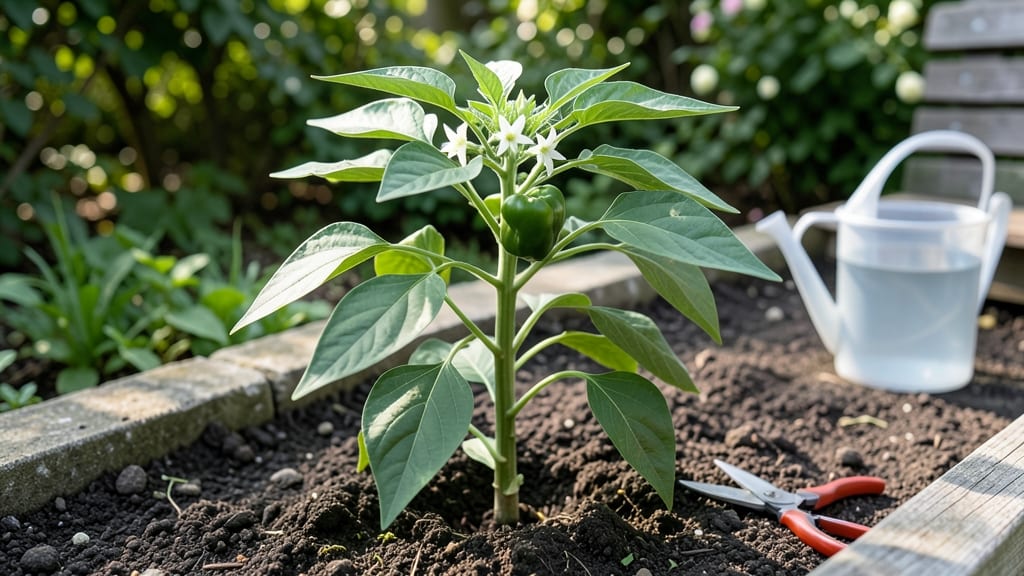
Your young pepper plant could grow into a foot-tall heat factory in just 8 weeks—if you give it the right vertical support and care from day one. 🌱 I learned this the hard way with my first batch of seedlings, which flopped over like drunk ferns until I added a simple trellis.
The secret isn’t just sunlight or water; it’s how you train those stems early to grow up, not out. Start with a 5-gallon container (peppers hate crowded roots) and fill it with well-draining potting mix—half peat, half perlite works wonders.
Place your seedling near a south-facing window or under a grow light for 12+ hours daily. Water only when the top inch feels dry, and never let them sit in soggy soil—that’s how pepper plants throw tantrums (yellow leaves, anyone?).
By week 3, you’ll see those first tiny blooms forming. That’s your cue to prune aggressively: snip off any side shoots below the first 4-5 leaves to encourage a single strong stem. Use soft twine to gently tie the plant to a 3-foot bamboo stake—no need for fancy cages.
The payoff? A compact, bushy plant packed with peppers instead of a sprawling mess. This method works for jalapeños, bell peppers, or even habaneros—just adjust the stake height as they grow. The key is consistency: light, water, and pruning on a schedule.
Before you know it, you’ll have a vertical pepper powerhouse that fits on a balcony or windowsill. Let’s get those seedlings standing tall!
📚 In This Guide
- What you need
- Instructions
- Tips and common mistakes
- Wrapping up and next steps
What you need
- ● Young Pepper Plants: 3–6 seedlings (choose varieties like Jalapeño, Bell, or Cayenne for compact growth).
- ● Vertical Growing System: Wall-mounted pockets (e.g., GrowBagz Pocket Planters or DIY fabric pockets).
- ● OR A sturdy trellis (e.g., wooden lattice or metal cage, 4–6 ft tall).
- ● Potting Mix: 10–15 lbs of well-draining, organic potting soil (mix in perlite or coconut coir for aeration).
- ● Containers: 1–2 gallon pots per plant (or repurpose buckets, fabric grow bags, or recycled containers).
- ● Fertilizer: Balanced liquid fertilizer (e.g., 10-10-10 or fish emulsion) or slow-release granules.
- ● Support Structures: Soft ties (e.g., plant clips or twist ties) to secure vines.
- ○ Small stakes (optional, for extra stability).
- ● Watering Can or Hose: With a gentle spray nozzle for even moisture.
- ○ Heat Mat (Optional): For cooler climates (70–80°F range is ideal for germination).
- ● Sunlight: 6–8 hours of direct sunlight daily (south-facing window or grow lights).
- ● Temperature: Keep soil warm (65–85°F)—peppers are heat-lovers! 🔥
- ● Humidity: Maintain 40–60% (use a humidity tray or mist lightly if air is dry).
- ● Space: Ensure your vertical setup has 12–18 inches between plants for airflow.
- ● Pruning Tools: Small, sharp bypass pruners (sterilized with rubbing alcohol).
- ● Self-watering system (e.g., wicking bed or drip irrigation) for hands-off care.
- ● Epsom salt (1 tbsp per gallon of water) for magnesium boosts.
- ● Compost tea or worm castings to enrich soil naturally.
- ● Reflective mulch (e.g., white plastic sheeting) to maximize light in shady spots.
Step-by-Step vertical growing system for young pepper plants
Transform your small space into a thriving pepper garden with this space-saving vertical method.
🪴 Step 1: Build or Select Your Vertical Trellis
Start with a sturdy frame—either a store-bought vertical garden kit or a DIY structure using PVC pipes, wooden stakes, or a repurposed ladder. For a 4-plant system, aim for a structure at least 4 feet tall with 12-18 inches between each tier. I like to use 3/4-inch diameter PVC pipes cut into 18-inch sections and spaced 12 inches apart on a base frame.
Ensure each level has drainage holes (drill them yourself if needed) and secure a 1-inch deep planting tray or fabric grow bag at each tier. The key here is stability—peppers get heavy when fruiting, so anchor your structure to a wall or place it against a sturdy fence. If using fabric bags, pre-moisten them to help them hold shape while you plant.
🌱 Step 2: Prepare Containers and Planting Mix
Fill each container with a lightweight, well-draining potting mix—avoid garden soil, which compacts and suffocates roots. I blend 50% premium potting mix with 30% perlite and 20% compost for extra nutrients. For 4 plants, you’ll need about 2 gallons of mix per container (or 8 gallons total if using 4 separate 1-gallon pots at each tier).
Press the mix down gently to remove air pockets but don’t compact it—you want roots to spread easily. Add a slow-release fertilizer (like 1 tablespoon per container) to the top inch of soil. This ensures your peppers have steady nutrition as they grow upward. Water the mix until it’s evenly moist but not soggy—think of a wrung-out sponge.
☀️ Step 3: Plant and Train for Vertical Growth
Plant your 4 young pepper seedlings (about 6-8 inches tall) into their containers, spacing them 6 inches apart within each tier. Bury them just deep enough to cover the root flare (where the stem meets the roots) but no deeper—this prevents stem rot. Gently firm the soil around the base to secure the plant.
Here’s the trick for vertical growth: prune the lower leaves on each stem, leaving only the top 4-6 leaves exposed. This encourages energy to focus upward. Install soft plant ties (like Velcro strips or old T-shirts cut into strips) to gently secure each stem to the trellis as it grows. Don’t pull too tight—just enough to guide growth without restricting it.
💧 Step 4: Water and Fertilize for Compact Growth
Water deeply at the base of each plant every 2-3 days, checking that the top 2 inches of soil feel dry before watering again. Vertical setups dry out faster, so monitor closely—peppers hate soggy roots but also wilt quickly if thirsty. I use a drip irrigation system or a watering can with a narrow spout to avoid disturbing the soil.
Feed your peppers every 2 weeks with a balanced liquid fertilizer (10-10-10 or 20-20-20 diluted to half strength). Look for dark green leaves and new growth at the tips—this means your plants are happy. If leaves yellow between veins, it’s a sign of overwatering or nutrient deficiency, so adjust accordingly. Mulch the soil surface with 1 inch of straw to retain moisture and regulate temperature.
✂️ Step 5: Prune and Maintain for Maximum Yield
As your peppers grow, prune suckers (the small shoots that form in the leaf axils) to redirect energy to fruit production. Use clean, sharp scissors to snip suckers 1/4 inch above the leaf—this prevents disease entry. For compact growth, pinch off the top set of leaves once the plant reaches the next tier, encouraging it to bush out sideways.
Rotate your trellis quarter-turn weekly to ensure even light exposure—peppers will lean toward the sun if left unchecked. Watch for first flowers (tiny white buds) and fruit set (small green peppers). At this stage, reduce nitrogen-heavy fertilizers and switch to a phosphorus-rich feed (like 5-10-10) to boost flowering and fruiting. Harvest peppers when they reach 70% of their mature size to encourage continuous production.
Tips & tricks for perfect vertical pepper growth
These space-saving hacks will help your young pepper plants thrive in tight quarters while maximizing fruit production.
Stability is Key: Since peppers get heavy with fruit, reinforce your trellis structure by adding diagonal supports between tiers. I've seen PVC trellises collapse under weight when not properly braced—use zip ties or metal brackets to create an "X" between every other tier. For extra security, place your structure against a sturdy wall or fence and anchor it with heavy-duty stakes. This prevents wobbling that can stress delicate stems during growth.
Root Zone Optimization: In Step 2, when preparing your planting mix, add a handful of hydrogel crystals (optional but game-changing) to each container. These absorb and retain up to 500 times their weight in water, helping maintain consistent moisture in your vertical setup where containers dry out faster. The 50% premium potting mix blend you're using already provides excellent drainage, but the hydrogel acts like a moisture reservoir during those inevitable dry spells between waterings.
Light Exposure Strategy: For maximum upward growth, position your trellis to receive 6-8 hours of direct sunlight daily, with the tallest plants facing south (in the Northern Hemisphere) or north (in the Southern Hemisphere). If using a window sill setup, rotate your trellis quarter-turn every 2 days instead of weekly to prevent uneven growth toward the light source. This creates more uniform plants and prevents shading of lower tiers, which can reduce fruit production at those levels.
Pruning Precision: When pruning suckers in Step 5, focus on removing only those growing in the leaf axils—these are the small shoots that form where leaves meet the stem. Leave the topmost leaves intact to maintain photosynthesis. I've found that using sterilized pruning shears dipped in rubbing alcohol between cuts prevents disease transmission. The 1/4-inch above the leaf guideline ensures clean cuts that heal properly, reducing stress on your plants.
Pro Tips for Young Pepper Plant
- These space-saving hacks will help your young pepper plants thrive in tight quarters while maximizing fruit production.
- Stability is Key: Since peppers get heavy with fruit, reinforce your trellis structure by adding diagonal supports be...
- Root Zone Optimization: In Step 2, when preparing your planting mix, add a handful of hydrogel crystals (optional but...
Frequently asked questions
Got questions about nurturing your young pepper plant?
You’re not alone! Here are answers to the most common queries—from spacing to troubleshooting—so you can grow thriving peppers even in tight spaces.
How close can I plant young pepper plants together?
Space young pepper plants 12–18 inches apart in containers or 18–24 inches apart in garden beds. If growing vertically, use trellises or cages to save space—just ensure airflow to prevent disease. Overcrowding stresses plants and attracts pests.
When should I transplant my young pepper plant outdoors?
Wait until after the last frost and soil temps hit at least 60°F (15°C). Peppers are frost-sensitive! Harden off seedlings 7–10 days before transplanting by gradually exposing them to outdoor conditions. Morning sun is ideal for acclimation.
Can I grow young pepper plants indoors without sunlight?
Yes, but you’ll need grow lights (12–16 hours/day). Place lights 6 inches above seedlings and adjust as they grow. South-facing windows work for supplemental light, but peppers need intense light to thrive—especially for fruiting.
Why are my young pepper plant leaves turning yellow?
Yellow leaves often signal overwatering, nutrient deficiency, or pests. Check soil moisture—peppers hate soggy roots. Test for nitrogen deficiency (lower leaves yellow first) and amend with compost. Inspect undersides for aphids or spider mites and treat with neem oil if needed.
What’s the best alternative if my young pepper plant struggles?
Try compact varieties like ‘Shishito’ or ‘Jalapeño M’ for small spaces. If peppers fail, swap for bush beans, lettuce, or herbs (like basil or thyme), which thrive in similar conditions. Vertical gardening works great for all three!
Wrapping up and next steps
Growing young pepper plants in compact spaces doesn’t have to be a challenge—with the right vertical heat hacks, you can turn even the smallest area into a thriving pepper garden! 🌱 From repurposing ladders to mastering heat management, these tips ensure your peppers get the love (and warmth) they need to flourish.
Whether you’re a beginner or a seasoned gardener, every inch counts—so get creative, stay patient, and watch your little plants grow into bountiful harvests.
Ready to take the next step? Start small—pick one vertical setup, plant your peppers, and observe what works best. Before you know it, you’ll be stacking success (and maybe even sharing your peppers with neighbors!). Happy growing! 🌶️✨