
Picking
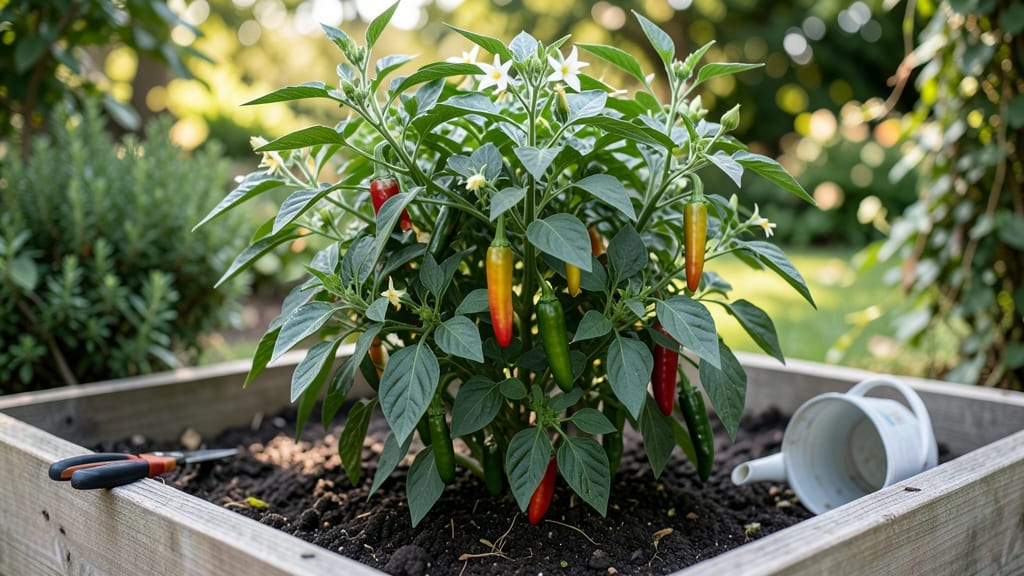
Growing Aji Cachucha peppers unlocks a bold, fruity heat without the biting aftertaste of other hot peppers. 🌶️ This South American gem thrives in small spaces when trained vertically, making it perfect for balconies or sunny windowsills where ground space is tight.
The key? Mimicking its native high-altitude habitat with well-draining soil and consistent moisture—but never soggy roots.
Start with a 5-gallon container or raised bed filled with a mix of compost, perlite, and coconut coir for that perfect airy texture. Plant seeds indoors 8-10 weeks before last frost, or buy sturdy transplants after all danger of frost has passed.
These peppers crave 6+ hours of direct sunlight daily, so south-facing spots or grow lights work best. A 5-foot tall trellis or bamboo stake lets you grow multiple plants in a small footprint while keeping fruits accessible.
What sets Aji Cachucha apart is its sweet-spicy flavor that builds gradually—think tropical fruit meets gentle heat (10,000–30,000 Scoville, far milder than jalapeños). Harvest when fruits turn deep red or yellow (about 75–90 days after transplanting) for the best balance of sweetness and heat.
Prune suckers regularly to encourage bushier growth and more peppers, and watch for aphids or pepper maggots—neem oil sprays work wonders for prevention.
This pepper’s compact growth habit and disease-resistant nature make it a standout for small-space gardeners. Whether you’re training it on a balcony trellis or a backyard pole, the result is a high-yield harvest with minimal fuss.
The real magic? Those peppers stay productive for months, giving you fresh heat all season long—no greenhouse needed.
📚 In This Guide
- What you need
- Instructions
- Tips and common mistakes
- Wrapping up and next steps
What you need
- ● Aji cachucha seeds or seedlings: 3–5 plants (start with a few to test your space and skills!)
- ● Well-draining potting mix: 10–15 gallons (look for a blend labeled for peppers or vegetables, with perlite or vermiculite)
- ● Containers or garden space: Containers: 5–7 gallon pots (with drainage holes) per plant
- ● Garden beds: Full sun (6+ hours daily) and at least 18" spacing between plants
- ● Fertilizer: Balanced organic fertilizer (10-10-10 or 5-5-5) or compost (mix 1 cup per 5 gallons of soil)
- ○ Support structure (optional but recommended): Bamboo stakes or trellis (4–6 ft tall) for pole training
- ● Soft plant ties or twine (to secure vines gently)
- ● Hand trowel or small shovel (for planting and transplanting)
- ● Watering can or hose with gentle spray nozzle (aji cachucha hates soggy roots!)
- ● Pruning shears (sterilized with rubbing alcohol for trimming)
- ○ pH testing kit (optional but helpful)—ideal soil pH: 6.0–6.8
- ● Heat-loving mindset! 😉 (These peppers thrive in warmth—plan for late spring or summer starts in cooler climates.)
Step-by-Step instructions for growing aji cachucha peppers pole-trained
Transform your small balcony or patio into a fiery harvest with this space-saving method—no bitterness, just pure heat!
🌱 Step 1: Start Seeds Indoors for Early Growth
Fill 4-inch seed pots with sterile seed-starting mix and plant 2 seeds per pot at a depth of ¼ inch. Aji cachucha seeds germinate best in 75-85°F soil, so use a seedling heat mat if your home runs cooler. Keep the mix moist but never soggy—water only when the top inch feels dry to the touch.
Place pots under a grow light for 14-16 hours daily to prevent leggy seedlings. You'll see first true leaves appear in 10-14 days. Once seedlings reach 3-4 inches tall, thin to the strongest plant per pot. This early start ensures robust plants ready for pole training by summer.
🪴 Step 2: Transplant to Containers with Support Poles
Move seedlings to 5-gallon containers filled with well-draining potting mix amended with compost. Bury each plant up to its first true leaves to encourage strong root development. Install a 5-foot bamboo stake or metal trellis in each pot and gently tie the main stem to it with soft plant ties.
Choose containers with drainage holes and place them where they'll receive 6-8 hours of direct sun daily. Aji cachucha thrives in 70-85°F temperatures—if nights dip below 60°F, cover plants with frost cloth to prevent stunted growth. Water at the base when the top 2 inches of soil feel dry, avoiding wetting leaves to prevent disease.
✂️ Step 3: Prune and Train for Maximum Heat Production
Once plants reach 18 inches tall, begin pruning side shoots to focus energy on the main stem. Pinch off flowers until the plant reaches the top of the pole—this ensures a single, vigorous vine. For aji cachucha, let only the first 3-4 fruit clusters develop per plant to maintain peak heat levels without bitterness.
Gently weave new growth around the pole every 2 weeks to encourage upward growth. Remove any yellowing leaves immediately to prevent pests. You'll notice fruit forming 60-75 days after transplanting—harvest when peppers reach 2-3 inches long and turn bright red for maximum capsaicin content.
💧 Step 4: Maintain Soil and Water for Consistent Heat
Feed plants every 4 weeks with a balanced liquid fertilizer diluted to half strength. Aji cachucha responds well to organic options like fish emulsion or compost tea. Reduce watering slightly as fruit develops—1 inch per week is ideal—to concentrate flavors. Always water in the morning to allow foliage to dry before evening.
Watch for signs of stress: curled leaves indicate underwatering, while yellowing stems signal overwatering. If you notice powdery mildew on leaves, spray with a neem oil solution immediately. With proper care, your pole-trained aji cachucha will produce 10-15 peppers per plant, each packing 30,000-50,000 Scoville units of clean, fruity heat.
Tips & tricks for pole-trained aji cachucha peppers
Growing fiery aji cachucha peppers doesn't have to be intimidating—these pro tips will help you maximize heat production while keeping your plants healthy and thriving in small spaces.
Heat Matters: Maintain that 75-85°F soil temperature during germination by using a seedling heat mat if your home runs cooler. I learned this the hard way—cold soil can delay germination by days, and aji cachucha seeds need consistent warmth to sprout reliably. The 14-16 hours of grow light is non-negotiable for preventing leggy seedlings, so invest in quality LED grow lights if natural light is limited.
Pruning Precision: When you reach Step 3 and begin pruning at 18 inches, focus on removing only the side shoots while preserving the main stem. This single stem will become your heat-producing powerhouse. The key is patience—wait until the plant reaches the top of your 5-foot pole before allowing any flowers to form. This ensures all energy goes into building a strong vine first.
Sunlight Strategy: Those 6-8 hours of direct sun are critical, but location matters just as much. Place your containers where they'll receive morning sun (to dry dew quickly) and afternoon shade if your climate gets scorching. I've found that south-facing windowsills or balconies work best for maximizing heat production without stressing the plants.
Harvest Timing: Don't rush harvesting—wait until peppers reach 2-3 inches long and turn bright red for maximum capsaicin content. The 60-75 day window after transplanting gives you plenty of time to monitor ripening. Harvest in the morning when capsaicin levels are at their peak for the most intense heat without bitterness.
Pro Tips for Aji Cachucha Pepper
- Growing fiery aji cachucha peppers doesn't have to be intimidating—these pro tips will help you maximize heat production while keeping your plants healthy and thriving in small spaces.
- Heat Matters: Maintain that 75-85°F soil temperature during germination by using a seedling heat mat if your home runs cooler.
- Pruning Precision: When you reach Step 3 and begin pruning at 18 inches, focus on removing only the side shoots while preserving the main stem.
Frequently asked questions
How long does it take for aji cachucha peppers to mature?
The aji cachucha typically matures in 70–90 days from transplant, depending on climate and growing conditions. In warm, sunny regions, you might harvest as early as 60 days if planted early. Keep an eye on the peppers—they’ll turn from green to a bright red when fully ripe and ready to pick! Pro tip: Use a heat map to track ripening if your area has unpredictable weather.
Are aji cachucha peppers really less bitter than other hot peppers?
Unlike many peppers in the aji family, aji cachucha has a clean, fruity heat with minimal bitterness. This makes it a favorite for salsas, sauces, and even fresh eating. The key? Harvest early (when small and green) for milder heat, or let them ripen fully for a balanced, smoky flavor. Fun fact: They’re often called the "Peruvian pepper" for their smooth, approachable kick.
Can I grow aji cachucha peppers in containers?
Yes! Since aji cachucha plants are compact (reaching 12–18 inches tall), they thrive in 5-gallon pots with well-draining soil. Just ensure the container has drainage holes and place it in a spot with 6+ hours of sunlight daily. For pole-trained varieties, use a small trellis or cage to support growth. Bonus: Containers let you move plants indoors if frost threatens!
What’s the best way to store harvested aji cachucha peppers?
Store fresh peppers in the fridge (lasts 1–2 weeks) or freeze them whole for later use. For long-term storage, dry them in a dehydrator (95°F for 4–6 hours) or air-dry in a cool, dark place. Dried peppers keep for up to 6 months and can be ground into flakes for instant heat. Tip: Freeze in oil for homemade hot sauces!
What can I substitute if I can’t find aji cachucha peppers?
If you’re craving that sweet-heat balance, try these swaps:
- Thai bird’s eye peppers (similar heat, but more bitter)
- Serrano peppers (milder than jalapeños, but less fruity)
- Poblano peppers (for a milder, earthy flavor—remove seeds for less heat)
- Fresh chili flakes (for dried pepper substitutes)
Wrapping up and next steps
The aji cachucha pepper is a game-changer for small gardens—packing bold, fruity heat without the bitterness of its larger cousins! Whether you’re a first-time grower or a seasoned pepper enthusiast, its compact, pole-friendly nature makes it perfect for balconies, windowsills, or even hanging baskets. 🌱
Ready to dive in? Start by gathering your supplies, then follow the steps to cultivate your own fiery harvest. Pro tip: Keep experimenting with flavors—this pepper thrives with a little creativity! Plant your seeds today and enjoy the rewarding journey of growing your own aji cachucha.