
Picking
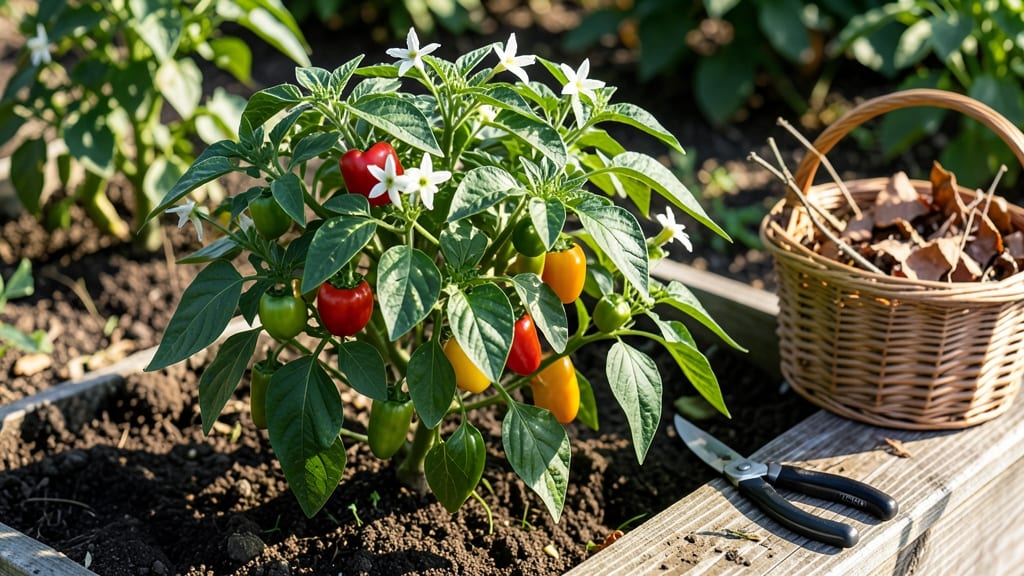
Hot peppers ready to pick develop color, firmness, and size that tell you exactly when to harvest for the best heat and flavor.
There’s nothing worse than snapping off a pepper too early and missing out on its full potential—whether that’s a fiery jalapeño or a sweet, ripe habanero. The key is knowing which visual cues to watch for, from glossy skins to stem separation, so you never guess again.
Most gardeners assume color alone determines ripeness, but the truth is more nuanced: some varieties peak green, while others need to turn red or purple. We’ll break down the science behind heat development and the physical signs that guarantee perfect ripeness every time.
By the end, you’ll know exactly when to harvest for heat, flavor, or storage—plus how to extend shelf life so your peppers stay vibrant long after the garden season ends.

Hot pepper ripeness by color: the science behind heat development
Understanding hot pepper ripeness by color is more than just aesthetics—it directly impacts capsaicin levels, flavor, and even storage potential. Most gardeners focus on the red stage for maximum heat, but the journey from green to ripe involves complex chemical changes that transform both taste and spiciness.
The color transformation in hot peppers isn't random; it's a biological process tied to sugar accumulation and chlorophyll breakdown. When peppers first appear green, they're packed with chlorophyll, which masks their true potential heat. As they mature, this chlorophyll degrades, revealing the carotenoids and other pigments that signal ripeness.
Here's the science breakdown you need to know about each color stage and what it means for your harvest:
| Color Stage | Capsaicin Level | Flavor Profile | Best For | Storage Life |
|---|---|---|---|---|
| Green | Low (25-50% of max) | Grassy, fresh, mild | Pickling, salsas, early harvests | 1-2 weeks (refrigerated) |
| Yellow/Orange | Moderate (50-75% of max) | Sweet, fruity, balanced heat | Drying, sauces, fresh eating | 2-3 weeks (refrigerated) |
| Red | High (100% of max) | Complex, smoky, intense heat | Drying, powders, long-term storage | 3-6 months (properly dried) |
| Purple/Black | Very High (varies by variety) | Earthy, deep, intense | Heirloom varieties, specialty uses | 2-4 weeks (refrigerated) |
| White | Moderate-High (75-90%) | Mellow, slightly sweet | Fresh eating, sauces | 1-2 weeks (refrigerated) |
The red stage is often considered peak ripeness for most commercial varieties, where capsaicin production reaches its maximum. However, this isn't universal—some heirloom varieties, like the Black Hungarian pepper, develop their signature purple-black color while maintaining exceptional heat levels.
These exceptions prove that color alone shouldn't dictate your harvest timing.
For jalapeños and serrano peppers, picking at the green stage is common for milder flavors, but leaving them to turn red can triple their Scoville heat units.
Meanwhile, habaneros and ghost peppers often reach their most intense heat when fully colored, though some gardeners prefer the orange stage for a balance of sweetness and spice.
An important storage consideration is that fully ripe peppers, especially red ones, can last 3-6 months when properly dried or frozen. The sugar content increases as they ripen, making them ideal for fermented foods or homemade powders.
However, green peppers contain more moisture and won't store as long, making them better suited for immediate use.
One common gardener mistake is assuming all peppers follow the same color progression. Some varieties, like Shishito peppers, rarely turn red and are best harvested when light green.
Always check your seed packet or variety notes—this is your first clue about expected color changes and heat development patterns.
Pro tip: If you're unsure whether a pepper is fully ripe, give it a gentle squeeze. A ripe pepper will feel firm but slightly yielding, while an underripe one will feel hard and crisp.
This simple test, combined with color observation, will help you make the best harvest decisions for your specific varieties.
Remember, the environment plays a role too. Cooler temperatures can slow ripening, while hot, sunny days accelerate color changes. If your peppers aren't changing color as expected, check for adequate sunlight and consistent watering—both are crucial for proper chlorophyll degradation and pigment development.
🌶️
5 Physical signs your hot peppers are perfectly ripe (beyond color)
Color is just the beginning when it comes to knowing your hot peppers are ready to pick. Many gardeners overlook physical cues that reveal true ripeness—like stem separation or skin texture. These signs ensure you harvest at peak flavor and heat, not just when they turn red.
I’ve learned the hard way that ignoring these clues can lead to peppers that are too mild or even rot on the vine.
Beyond the obvious color change, ripe hot peppers give away their readiness through subtle but unmistakable clues. For example, a glossy skin signals full maturity, while a heavy weight for their size means they’ve absorbed all the nutrients they’ll get.
These tactile signs are especially useful for heirloom varieties that don’t follow the typical color progression. Let’s break down the five key indicators you shouldn’t miss.
🌱 5 Tactile Signs Your Hot Peppers Are Ready
- 1. Stem Snaps Cleanly Gently twist the pepper at its stem—if it snaps off without resistance, it’s ready. A stubborn stem means it’s not fully ripe yet.
- 2. Glossy, Smooth Skin Mature peppers develop a slight sheen and feel slightly waxy to the touch. Dull or wrinkled skin means they need more time.
- 3. Heavy for Their Size Hold a pepper in your palm—if it feels surprisingly heavy (like a small melon), it’s packed with water and sugars, signaling peak ripeness.
- 4. Firm but Yielding Press gently—ripe peppers should yield slightly (like a ripe avocado) but not feel mushy. Soft spots mean they’re overripe or rotting.
- 5. Full Size for the Variety Compare to the expected size for your pepper type (e.g., jalapeños should be 2–3 inches long). Under-sized peppers won’t have developed full heat.
One of my favorite tricks to test ripeness without tasting raw peppers is the "paper test". Hold a pepper up to a bright light—if you can see through the stem’s attachment point (like a tiny window), it’s not ready.
A completely opaque stem means it’s fully mature. This method works especially well for dark-skinned varieties like Black Beauty peppers, where color changes are subtle.
Don’t forget that heat levels peak at different stages depending on the variety. For example, jalapeños are hottest when picked green but sweeter when fully red, while habaneros intensify in heat as they ripen.
If you’re unsure, pick a few peppers at different stages and compare their spice levels later. Keep a garden journal to track which signs work best for your specific plants!
Overripe peppers can become mealy or develop mold, so timing your harvest is key. Once you master these physical signs, you’ll never second-guess when to pick again. Happy harvesting—and remember, the best peppers are the ones you enjoy fresh from the vine! 🌶️