
Plants
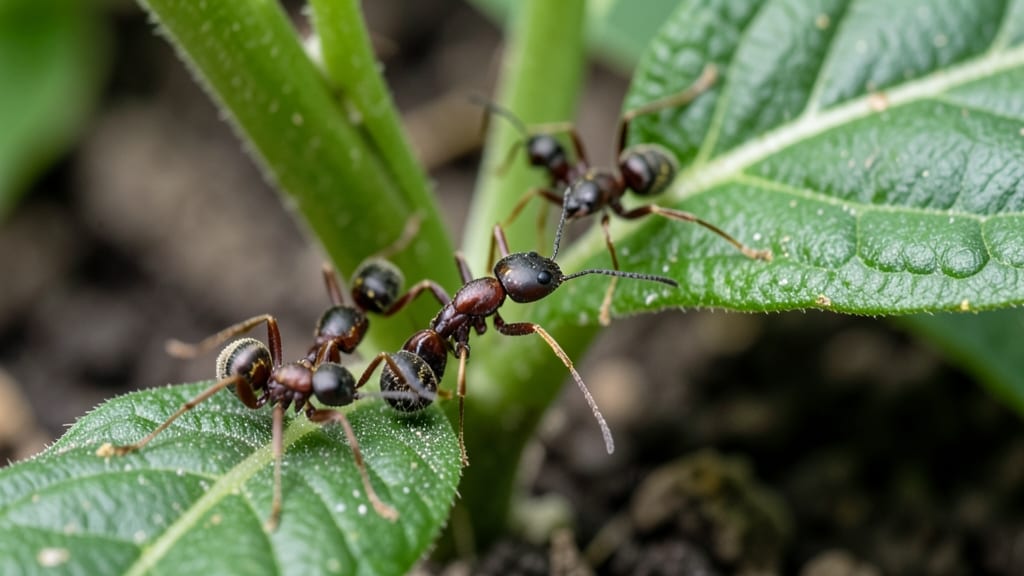
Ants on pepper plants aren’t the enemy—until they’re protecting aphids from your spray. 🌱 I’ve watched these tiny workers march up stems, only to realize they’re shielding pests that drain my peppers’ energy. The key isn’t killing ants but breaking their trails before they become a pest highway.
Most gardeners grab the ant spray first, but that disrupts the whole ecosystem. Instead, focus on natural barriers like sticky traps near the base of plants or a ring of diatomaceous earth (food-grade only) around the soil. These stop ants without harming your peppers—or the beneficial insects.
Within 24-48 hours, you’ll see fewer ants, and your plants will start bouncing back. The real win? No more aphid infestations hiding under leaves, so your peppers focus on growing instead of fighting off tiny vampires.
This works for all outdoor peppers—whether you’re growing in pots or garden beds. The secret is consistency: check trails weekly and reapply barriers after rain. Your harvest will thank you!
The Hidden Drivers Behind Ant Infestations
Ants aren’t just random visitors on your pepper plants—they’re drawn by a mix of natural incentives, environmental cues, and unintentional human habits. Understanding these triggers is the first step to outsmarting them. Let’s break down the science behind why these tiny invaders show up in your garden.
Ants are omnivorous opportunists, but they have a serious sweet tooth. If your pepper plants (or surrounding soil) are leaking sugary substances, you’ve essentially hung out a neon sign for ants. Here’s what lures them:
- Honeydew from pests: Mealybugs, aphids, and whiteflies excrete a sticky, sugary waste called honeydew. Ants farm these pests like cattle, protecting them in exchange for this liquid gold. 🐝💧 If you’ve noticed tiny white dots on your pepper leaves, ants are likely nearby tending their “livestock.”
- Overripe or damaged fruit: Rotting peppers or fallen fruit release fermenting sugars and alcohols, which ants detect from yards away. Even a single overripe pepper on the ground can trigger a parade of ants.
- Synthetic fertilizers or pesticides: Some chemical fertilizers contain sucrose or other sugars as fillers. If you’ve recently treated your plants, ants may mistake the residue for a buffet.
Pro Tip: 🔍 Scan your plants for honeydew trails (sticky residue on leaves) or ant highways (visible lines between plants and food sources). This is your clue to act fast!
Ants don’t just wander aimlessly—they’re strategic real estate investors. Your pepper plants might be hosting them because they offer:
- Moist, sheltered soil: Ants prefer soil that’s 60–70% moisture (like a damp sponge). Overwatering or poor drainage creates ideal nesting spots. Look for tiny volcano-like mounds or disturbed soil near your plants.
- Warmth and shade: Pepper plants provide microclimates—their broad leaves create shaded, humid pockets where ants thrive. If your garden is otherwise sunny and dry, ants may seek refuge under your peppers.
- Proximity to water sources: Ants need water to survive, and they’ll follow driplines from irrigation or rain. If your pepper plants are near a drip emitter, hose, or even dew-collecting leaves, ants will set up camp.
Did You Know? 🌡️ Some ant species (like fire ants) actively repel other insects to monopolize resources—meaning they’re not just guests; they’re garden gatekeepers with a dark side.
You might be unwittingly feeding the problem without realizing it. Common garden mistakes that attract ants include:
| Action | Why It Attracts Ants |
|---|---|
| Using mulch near plants | Organic mulch (like grass clippings or wood chips) breaks down into sugars, creating a sugar bomb that ants can’t resist. |
| Storing sweet foods outside | Even a single crumb of fruit, soda, or candy near your garden can draw scout ants, which then recruit thousands more. |
| Ignoring pet food or spills | Protein-rich pet food (like wet dog food) attracts carpenter ants, while sugary spills (like soda rings) lure argile ants. |
| Planting near ant-friendly flora | Some plants (like clover, alfalfa, or citrus) naturally produce nectar or seeds that ants love. If your peppers are neighbors to these, you’re sharing your buffet. |
Quick Fix: ✨ Move pet bowls, food scraps, and sweet treats at least 20 feet away from your garden. Ants have a scent trail memory—if they can’t find the source, they’ll lose interest.
Here’s the twist: Some ants don’t just eat your pepper plants—they protect other pests that do. This is called mutualism, and it’s a major reason infestations spiral out of control.
- Aphids and mealybugs: Ants herd these sap-sucking insects, stroking them like cows to collect honeydew. In return, the pests weaken your peppers by draining nutrients.
- Scale insects: These immobile pests are ant favorites because they’re easy targets. Ants will drag scale insects to new plants, turning your entire garden into a pest farm.
- Root damage: Some ants (like fire ants) tunnel near roots, disrupting water and nutrient uptake, which stresses your pepper plants—making them even more attractive to ants.
💡 Key Insight: If you see ants marching in a line or tending to tiny white/cottony clusters on leaves, you’ve got a hidden pest problem brewing. Break the cycle by targeting both the ants and their “livestock.”
How to solve it
Discovering ants marching across your pepper plants can feel like an invasion—but don’t panic! With the right organic strategies, you can reclaim your garden without harsh chemicals.
Below, we’ve mapped out targeted solutions based on why ants are there in the first place, paired with prevention tips to keep them from returning. These methods are garden-friendly, budget-conscious, and designed to protect both your plants and the local ecosystem.
If ants are after honeydew from aphids or mealybugs, they’re not the real problem—the pests are. Start by removing their food source to break the cycle.
- 🍳 Spray soapy water directly on aphids or mealybugs (use 2 tbsp mild dish soap + 1 quart water). Reapply every 3–4 days until pests vanish.
- 👨🍳 Introduce beneficial insects: Ladybugs, lacewings, and parasitic wasps devour aphids. Buy them online or attract them with native flowering plants.
- 🥘 Neem oil treatment: Mix 1 tbsp neem oil + 1 tsp mild soap in 1 quart water, then spray plants (including undersides of leaves) at dusk. Ants avoid it, and it disrupts aphid life cycles.
💡 Pro Tip: Check your garden for ant trails—they often lead to hidden infestations. Follow the path to find the source and treat it first.
If ants are building nests in soil, mulch, or wood near your peppers, you’ll need to make their real estate unlivable—without killing them outright (which can harm beneficial species).
- 🔪 Diatomaceous earth (DE): Sprinkle food-grade DE around the base of plants and along ant trails. It’s a natural abrasive that dehydrates ants but breaks down in rain. Reapply after watering.
- ⏰ Vinegar barrier: Mix equal parts white vinegar and water in a spray bottle. Douse ant trails, mounds, and entry points. The strong smell repels them temporarily (reapply after rain).
- 🌡️ Boiling water: For visible ant hills, carefully pour boiling water directly into the mound. This works fast but only for surface nests—avoid disturbing roots.
- 🎯 Relocate nests: If possible, use a trowel to gently scoop up the nest (early morning when ants are sluggish) and relocate it 10+ feet away from your garden.
✨ Prevention Tip: Avoid overwatering—ants love damp soil. Use drip irrigation or soaker hoses to keep mulch dry.
When ants “farm” pests like whiteflies or scale insects, they protect them aggressively. To starve out the system, seal off their highways and disrupt their partnership.
| Barrier Method | How to Apply | Materials Needed |
|---|---|---|
| Cinnamon barrier | Create a 2-inch-wide ring of ground cinnamon around plant bases and along ant trails. Refresh every 5–7 days or after rain. | Ground cinnamon, small sifter or sieve |
| Crushed eggshells | Crush eggshells into sharp fragments and scatter them in a band around plants. Ants avoid crossing them. | Eggshells, mortar/pestle or blender |
| Coffee grounds | Sprinkle used coffee grounds (cooled) around the base of plants. The smell confuses their trail pheromones. | Used coffee grounds |
| Essential oil spray | Mix 10 drops peppermint or lemon eucalyptus oil + 1 tsp soap in 1 cup water. Spray trails and plant foliage (avoid direct sun). Reapply weekly. | Essential oils, spray bottle |
💡 Pro Tip: Ants are colorblind but hate yellow. Place yellow sticky traps near trails to lure them away from your peppers.
Once you’ve evicted the ants, keep them from moving back in with these low-maintenance strategies:
- 🌱 Plant ant-repelling herbs like mint, basil, or lavender near your pepper patch. Their strong scents deter ants naturally.
- 🍂 Keep mulch sparse: Thick mulch hides ant trails and nests. Use straw or pine needles (ants dislike pine) in thin layers.
- 🐝 Encourage ant predators: Birds, toads, and ground beetles eat ants. Install a birdhouse or leave patches of bare soil for them to hunt.
- 🌧️ Water in the morning: Wet foliage at dawn gives plants time to dry, reducing ant-friendly humidity.
- 🧹 Clean up debris: Remove fallen fruit, old plant matter, and weeds where ants hide. A tidy garden = fewer ant hideouts.
With persistence, your pepper plants will thrive ant-free—and you’ll enjoy a bountiful harvest without the tiny intruders. Start with one or two methods, monitor progress, and adjust as needed!
Frequently asked questions
Do ants actually harm my pepper plants?
Directly, no—but they’re often the garden’s unwanted pest protectors. Ants themselves rarely eat pepper leaves, but they shield aphids, mealybugs, and whiteflies from natural predators. These hidden pests drain your plants’ energy, stunting growth and reducing fruit quality. The real danger is the mutualism between ants and sap-suckers—break the cycle by targeting both.
Why do I see ants only in the morning?
Ants are most active during cool, humid mornings (60–70°F) when they forage for food and water. They retreat to nests during peak heat or dry conditions. If you spot them early, follow their trails to find hidden honeydew sources (like aphids) or rotting fruit. Morning activity is your clue to act before they establish trails deeper into your garden.
Will killing ants make the problem worse?
Not if you use targeted, organic methods! Harsh sprays can disrupt ecosystems, but natural barriers (like diatomaceous earth or vinegar) dehydrate ants without harming beneficial insects. The key is breaking their trails—remove food sources (aphids, overripe fruit) and seal entry points. Ants will abandon the area within 3–5 days if their resources dry up.
Can I use coffee grounds as a permanent ant deterrent?
Coffee grounds are a temporary repellent (lasts 3–5 days), but they’re not permanent. The caffeine disrupts ant pheromone trails, but rain or decomposition removes their effectiveness. For long-term defense, combine coffee grounds with a cinnamon barrier (refresh weekly) and plant ant-repelling herbs like mint near your peppers. Think of it as a layered defense system.
What’s the fastest way to stop ants from climbing my pepper stems?
For immediate results, wrap the stem base with copper tape (ants avoid its electrical charge) or apply a vinegar-soapy spray (1:1 ratio) directly to trails. Combine this with a diatomaceous earth ring around the soil. Most gardeners see 80% fewer ants within 24 hours using this double-barrier approach.