
Pests and Diseases
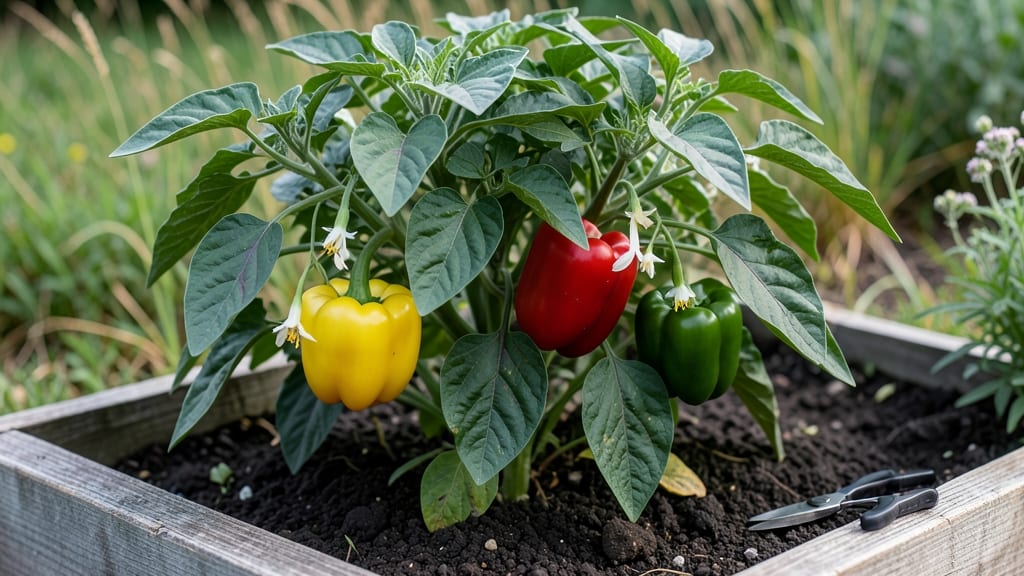
Seeing your pepper leaves turning purple might look alarming, but it’s actually a signal to troubleshoot—don’t panic, just act. fix it before the plant throws in the towel.
The purple usually means your peppers are screaming for help: either the soil’s too acidic, they’re starving for phosphorus, or they’re struggling with temperature swings. The good news? This is one of those problems where a quick adjustment—like a balanced fertilizer or a little lime—can turn things around in days.
You’ll notice the leaves start greening up within a week if you address the root cause. The key is acting fast: purple leaves spread quickly, and before you know it, your harvest window shrinks.
But don’t worry—this is fixable, and I’ll walk you through the exact steps to bring your plants back to full, vibrant health.
First, check your soil pH—if it’s below 6.0, your plants can’t access nutrients properly. A simple soil test kit (or even a DIY vinegar/baking soda test) will tell you what’s off balance.
Then, feed them a balanced fertilizer—something with equal parts nitrogen, phosphorus, and potassium—to give them the boost they need.
Once you’ve made those adjustments, keep an eye on watering and temperature. Peppers hate soggy roots or sudden cold snaps, both of which can trigger stress and bring back that purple hue.
With the right care, your plants will bounce back stronger than ever—and you’ll be back to harvesting sweet, green peppers in no time.
Root Causes Behind Purple Leaves
When your pepper plant’s leaves start turning an unnatural purple, it’s usually a cry for help—often tied to nutrient imbalances, environmental stress, or underlying health issues. Understanding the why behind this discoloration is the first step to saving your crop.
Below, we break down the most common culprits, backed by science, so you can diagnose and act fast.
Purple hues in pepper leaves are most famously linked to phosphorus deficiency, but other nutrients can trigger similar symptoms. Here’s how to spot the difference:
💡 Phosphorus Shortage: The Classic Purple Signal
- Why it happens: Phosphorus (P) is crucial for energy transfer, root growth, and flowering/fruiting. When soil lacks available phosphorus, plants redirect anthocyanins (pigments that normally appear in fruits) to leaves as a stress response, turning them purple or deep red.
- How to confirm:
- Purple appears on older leaves first (unlike nitrogen deficiency, which hits younger leaves).
- Stunted growth or weak stems often accompany the discoloration.
- Soil tests may reveal low phosphorus levels (ideal range: 30–60 ppm for peppers).
- Quick fix: Apply a phosphorus-rich fertilizer (look for a high middle number, like 5-10-5 or 10-20-10). Bone meal or rock phosphate can also help in the long term.
🌡️ Nitrogen-Phosphorus Imbalance: The Double Whammy
- Why it happens: While phosphorus deficiency causes purple, an excess of nitrogen (N) without enough phosphorus can also trigger purple leaves. Nitrogen fuels leafy growth, but without phosphorus to support root and flower development, peppers become "hungry" and stressed.
- How to confirm:
- Leaves may show purple veins or mottled purple patches on older foliage.
- Lush, rapid top growth but few or no flowers/fruits.
- Quick fix: Balance your fertilizer ratio (e.g., switch from 10-0-5 to 5-10-10) and avoid over-fertilizing with nitrogen-heavy amendments like manure or blood meal.
🔥 Magnesium or Potassium Deficiency: The Secondary Players
- Why it happens: While less common, deficiencies in magnesium (Mg) or potassium (K) can cause purple tinges, often accompanied by other symptoms:
- Magnesium: Purple appears on leaf edges or between veins (interveinal chlorosis), with older leaves yellowing first.
- Potassium: Purple or reddish hues on leaf margins, often with curled or crispy edges.
- How to confirm:
- Check for yellowing between veins (magnesium) or scorched leaf tips (potassium).
- Soil tests can confirm deficiencies (ideal ranges: 50–150 ppm Mg, 100–200 ppm K).
- Quick fix:
- Magnesium: Apply Epsom salt (1 tbsp/gallon of water, sprayed on leaves or soil).
- Potassium: Use potassium sulfate or wood ash (for potassium) and banana peel tea (homemade remedy).
Sometimes, purple leaves aren’t about nutrients—they’re a reaction to harsh growing conditions. Here’s what to watch for:
💧 Overwatering or Poor Drainage: Drowning in Stress
- Why it happens: Peppers hate "wet feet." Overwatering or compacted, waterlogged soil cuts off oxygen to roots, starving them of nutrients (especially phosphorus) and triggering anthocyanin production as a survival mechanism.
- How to confirm:
- Soil feels soggy even days after watering.
- Roots may smell rotten or appear mushy if checked.
- Purple leaves paired with yellowing or wilting.
- Quick fix:
- Improve drainage by amending soil with perlite, sand, or compost.
- Water deeply but less frequently (peppers prefer dry topsoil between waterings).
- Consider raising beds or using containers with drainage holes.
☀️ Extreme Heat or Cold: Shocking the Plant
- Why it happens: Peppers are tropical and thrive in 70–85°F (21–29°C). Temperatures outside this range—especially hotter than 90°F (32°C) or colder than 50°F (10°C)—can disrupt nutrient uptake and cause stress-induced purple leaves.
- How to confirm:
- Purple appears suddenly after a heatwave or cold snap.
- Leaves may also show scorch marks (heat) or blackened edges (cold).
- Quick fix:
- Heat: Provide afternoon shade (use shade cloth or plant near taller crops).
- Cold: Use row covers or mulch to insulate roots. Move potted peppers indoors if possible.
🌬️ Wind or Physical Damage: Bruised Leaves
- Why it happens: Strong winds or rough handling can damage leaf cells, causing localized purple discoloration as the plant repairs tissue. This is often seen on young leaves or new growth.
- How to confirm:
- Purple patches appear on exposed leaf surfaces or edges.
- No other symptoms (like stunted growth or yellowing).
- Quick fix:
- Protect plants with stakes, cages, or windbreaks.
- Avoid rough pruning—use clean, sharp shears to minimize damage.
While less common, certain pests and pathogens can indirectly cause purple leaves by stressing the plant or blocking nutrient flow:
🐜 Aphids, Spider Mites, or Whiteflies: The Nutrient Thieves
- Why it happens: These pests feed on sap, weakening the plant and reducing its ability to absorb nutrients like phosphorus. The plant’s anthocyanin response kicks in as a defense.
- How to confirm:
- Look for tiny bugs on undersides of leaves or sticky residue (honeydew).
- Leaves may also show yellowing, curling, or webbing.
- Quick fix:
- Blast off pests with a strong spray of water or neem oil (1 tsp/quart of water).
- Introduce beneficial insects like ladybugs or lacewings.
🍄 Fungal Infections: The Hidden Invaders
- Why it happens: Fungi like early blight or root rot can clog root systems, preventing nutrient uptake. Purple leaves may appear alongside spots, wilting, or mold.
- How to confirm:
- Check for dark spots with concentric rings (early blight) or soft, mushy stems (root rot).
- Purple leaves paired with slow growth or sudden wilting.
- Quick fix:
- Remove infected leaves/plants to prevent spread.
- Apply copper fungicide or baking soda spray (1 tbsp baking soda + 1 quart water + few drops of soap).
Quick Fixes for Purple Pepper Leaves
When your pepper plants start showing off those unsightly purple leaves, it’s time to roll up your sleeves and take action! The good news? Most of these issues are reversible with the right care.
Below, we’ve mapped out practical, step-by-step solutions tailored to the most common causes—plus pro tips to keep your peppers thriving long-term.
Purple leaves often signal a nutrient deficiency, usually phosphorus, potassium, or nitrogen. Here’s how to diagnose and correct it:
🔥 Step 1: Test Your Soil (Know Your Enemy)
Before grabbing random fertilizers, check your soil’s pH and nutrient levels using a simple soil test kit (available at garden centers for ~$10).
Peppers prefer: - pH: 6.0–6.8 (slightly acidic) - N-P-K ratio: Aim for a balanced 10-10-10 or 5-10-10 fertilizer early in growth, then switch to low-nitrogen, high-phosphorus (like 5-10-10 or 3-6-6) when flowers/fruit appear.
> 💡 Pro Tip: If your soil is too alkaline (pH >7.0), purple leaves can also indicate iron or manganese deficiency—even if nutrients are present. Lower pH with sulfur or peat moss.
🍳 Step 2: Feed the Right Way (No Guesswork!)
- For phosphorus deficiency (dark purple stems/leaves):
- Apply bone meal (3–4 tbsp per plant, worked into soil) or a high-phosphorus fertilizer (like 10-20-10).
- Compost tea (steep compost in water for 24 hours, strain, and water plants) adds quick phosphorus.
- For potassium deficiency (purple edges, weak stems):
- Use wood ash (½ cup per plant) or potassium sulfate (1 tbsp per gallon of water, spray foliarly).
- Banana peels (dried and buried near roots) release potassium slowly.
- For nitrogen deficiency (pale purple leaves, stunted growth):
- Fish emulsion (2 tbsp per gallon of water) or blood meal (1 tbsp per plant) gives a quick nitrogen boost.
> ⚠️ Warning: Over-fertilizing can burn roots! Always water plants thoroughly after applying fertilizers.
👨🍳 Step 3: Adjust Watering (Don’t Drown or Starve Them!)
Purple leaves can also mean stress from uneven moisture:
- Check soil moisture 1–2 inches deep—it should be consistently damp but not soggy.
- Water deeply 1–2 times per week (adjust for climate). Drip irrigation is best to avoid wetting leaves (which spreads disease).
- Mulch heavily (2–3 inches of straw or grass clippings) to retain moisture and cool roots.
Purple leaves can also pop up when peppers are too hot, too cold, or not getting enough light.
🔥 Step 1: Shield from Extreme Heat
- Move potted peppers to partial shade (50% shade cloth) if temps exceed 90°F (32°C).
- Provide afternoon shade in hot climates—purple leaves often appear when roots overheat.
- Use reflective mulch (white plastic or aluminum foil) to bounce light away from roots.
🌞 Step 2: Boost Light (If They’re Stretching)
- Leggy plants with purple leaves? They’re light-starved.
- Move indoors under grow lights (12–16 hours/day) if growing in low-light spots.
- Prune lower leaves to improve airflow and light penetration to the canopy.
❄️ Step 3: Protect from Cold Snaps
- Cover plants with frost blankets if temps drop below 50°F (10°C).
- Use black plastic mulch to warm soil—peppers hate cold roots!
Once your peppers bounce back, keep them happy long-term with these habits:
| Issue | Prevention Tip |
|---|---|
| Nutrient deficiencies | Fertilize regularly (every 2–4 weeks) with a balanced formula, then switch to low-nitrogen when fruiting. |
| Over/under-watering | Stick to a schedule—check soil moisture daily in extreme heat. |
| Poor soil | Amend soil yearly with compost and mycorrhizal fungi (boosts nutrient uptake). |
| Heat stress | Plant in late spring (after last frost) and use shade cloth in summer. |
| Cold damage | Choose cold-tolerant varieties (like ‘Aristotle’ or ‘Carmen’) if in short seasons. |
> ✨ Bonus Tip: Mulch with straw—it retains moisture, regulates temperature, and slowly releases nutrients as it breaks down!
- Don’t ignore yellowing leaves—they can mask nutrient issues.
- Avoid high-nitrogen fertilizers (like lawn fertilizer) when peppers are fruiting—it causes leafy growth but few peppers.
- Don’t prune purple leaves—they’re a symptom, not the problem. Fix the root cause first!
With these fixes, your pepper plants should green up in 1–2 weeks! 🌿 Keep an eye on them, adjust as needed, and soon you’ll be harvesting plump, purple-free peppers instead of struggling with stressed leaves. Happy gardening! 🌶️💪
Frequently asked questions about pepper leaves turning purple
Why do pepper leaves turn purple in hot weather?
Hot temperatures above 90°F (32°C) can stress pepper plants, causing them to produce more anthocyanins (the pigments that turn leaves purple) as a protective response. This is especially common when roots overheat or soil moisture evaporates too quickly. Provide afternoon shade with shade cloth or mulch heavily to keep roots cool.
Can overwatering cause purple leaves?
Yes! While underwatering stresses plants, overwatering can also trigger purple leaves by suffocating roots and preventing nutrient uptake—especially phosphorus. Check soil moisture 1-2 inches deep; it should feel damp but not soggy. Improve drainage with perlite or sand if your soil stays waterlogged.
How quickly will purple leaves turn green again?
With the right fix, you’ll often see improvement in 3-7 days. Adjustments like balanced fertilization or proper watering typically show results faster than soil amendments. Monitor daily—if purple spreads to new growth, you may need stronger corrective action (like Epsom salt for magnesium deficiency).
Is it safe to eat peppers with purple leaves?
The leaves themselves aren't toxic, but purple leaves indicate stress that can affect fruit quality. While the peppers may still be safe to eat, they might be smaller or less flavorful. Focus on fixing the underlying issue—once leaves return to green, your harvest will improve dramatically.
Why do my pepper plants have purple stems but green leaves?
This classic symptom usually means phosphorus deficiency. While leaves stay green, the plant redirects anthocyanins to stems as a stress signal. Apply bone meal or a high-phosphorus fertilizer (like 10-20-10) and watch for new growth to green up within 2 weeks.