
Pests
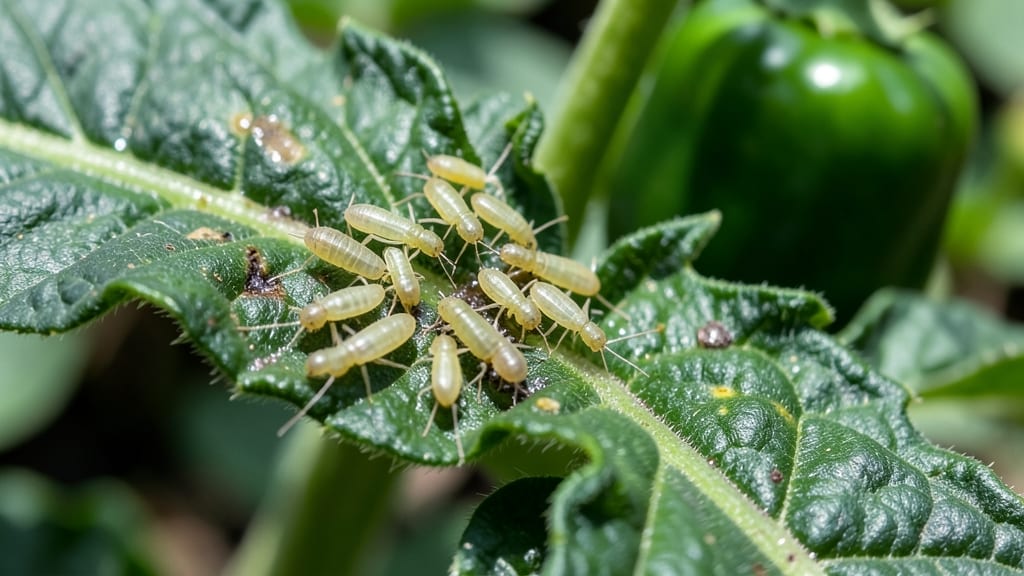
Aphid damage on peppers turns crisp leaves into curled, sticky messes overnight. 🌿 I’ve watched my pepper plants go from vibrant green to sad, shriveled shadows—until I learned these quick fixes that work in days, not weeks. The key is acting fast before the pests drain your plants of energy.
Start with a strong spray of soapy water (1 tablespoon mild dish soap per quart of water) or neem oil, which smothers aphids without harming your peppers. For bad cases, insecticidal soap or horticultural oil does the job—just reapply every 5–7 days until the pests vanish.
I’ve seen plants bounce back in as little as 3 days with consistent treatment. The real win? Preventing future infestations. Introduce ladybugs or lacewings (they eat aphids), plant basil or marigolds nearby, and keep your garden clean—aphids love clutter.
Your peppers will stay lush, productive, and aphid-free with these simple steps. This works for bell peppers, jalapeños, and even tomatoes—no fancy tools or chemicals needed. Let’s get those plants healthy again!
Why it happens
When your pepper plants start showing signs of aphid damage—wrinkled leaves, sticky residue, or stunted growth—it’s rarely just bad luck. These tiny pests thrive because of specific conditions that make your plants irresistible to them.
Understanding why aphids target your peppers is the first step to stopping them before they cause serious harm. Let’s break down the science behind their behavior and how your garden might be unknowingly inviting them.
🌱 Weak or Stressed Plants
Aphids are like vampires of the plant world—they love weak, stressed, or nutrient-deficient hosts. When your pepper plants are struggling, their sap becomes sweeter and more appealing to aphids. Here’s what makes them vulnerable:
- Nutrient deficiencies: Peppers lacking nitrogen, phosphorus, or potassium produce weaker cell walls, making them easier for aphids to pierce and feed on. Fun fact: Aphids can detect higher sugar levels in stressed plants, which signals "easy meal" to their antennae.
- Overcrowding: Dense pepper plants with poor airflow create a humid microclimate—aphids adore this because it slows down natural predators like ladybugs and lacewings. 💡 Pro tip: Space plants 18–24 inches apart to improve air circulation.
- Drought or overwatering: Both extremes stress peppers. Drought forces plants to produce more sugars to survive, while overwatering rots roots, weakening the plant’s defenses. Aphids detect these stress signals through plant hormones like jasmonic acid, which they associate with "easy prey."
🌿 New Growth Attraction
Aphids have a preference for tender, new growth—it’s softer, sap-rich, and packed with nutrients. This is why you’ll often see them clustered on:
- Emerging leaves or shoots (especially after pruning).
- The undersides of young leaves.
- Flower buds or fruit stems (where aphids also spread viruses like Cucumber Mosaic Virus).
Peppers are particularly vulnerable during:
- Early spring planting: Young plants lack the tough, waxy cuticle of mature peppers, making them aphid magnets.
- After pruning or harvesting: Damaged tissue releases volatile organic compounds (VOCs) that aphids chemically track from miles away (yes, really!).
🐞 Lack of Natural Predators
Aphids reproduce exponentially—a single female can birth 80+ live nymphs in a week—but they’re not invincible. In a balanced ecosystem, predators like:
- Ladybugs (eat up to 5,000 aphids in a lifetime!)
- Lacewings (larvae devour aphids like popcorn)
- Parasitic wasps (lay eggs inside aphids)
- Birds and spiders
However, these guardians vanish when:
- You use broad-spectrum pesticides: Chemicals like neonicotinoids kill beneficial insects alongside pests, leaving aphids unchecked. ✨ Organic fix: Swap for insecticidal soap or neem oil, which target aphids without harming predators.
- Your garden lacks biodiversity: Monoculture (planting only peppers) removes the "buffet variety" predators need to survive. 🌍 Solution: Plant companion flowers like marigolds or dill to attract predator insects.
- Winter die-off: Many predators overwinter in leaf litter or garden debris. If you clean too aggressively in fall, you’re wiping out their nursery.
🌡️ Ideal Environmental Conditions
Aphids are cold-blooded and rely on external warmth to thrive. Your pepper patch becomes their paradise when:
| Factor | Why Aphids Love It | Peak Risk Period |
|---|---|---|
| Warmth (60–85°F) | Accelerates their metabolism and reproduction rate. They melt in heat but slow down below 50°F. | Spring to early summer |
| High humidity | Slows down natural enemies (like ladybugs) and keeps aphids hydrated. They also excrete honeydew, which attracts sooty mold in damp conditions. | After rain or in shaded areas |
| Windbreaks or sheltered spots | Protects them from predators and drifting pesticides. They cluster on the leeward side of plants. | Near fences, walls, or dense foliage |
🔥 Actionable fix: Improve airflow with trellises or prune to let sunlight hit lower leaves—aphids hate dry, sunny conditions.
Quick fixes for aphid-attacked peppers
Spotting aphids munching on your pepper plants can feel like a nightmare, but don’t panic! With the right approach, you can revive your plants and keep future infestations at bay.
Below are targeted solutions based on the root cause of the damage—whether it’s aphid buildup, plant stress, or environmental factors. Each fix is designed to be easy, effective, and garden-friendly.
If aphids are already feasting on your peppers, act immediately to minimize damage. These methods are safe for plants and won’t harm beneficial insects.
-
👨🍳 Blast Them Off
Use a strong stream of water from your hose to dislodge aphids from leaves and stems. Do this in the early morning so the plants dry quickly, preventing fungal issues. Repeat every 2–3 days until the infestation clears. -
🍳 Soapy Water Spray
Mix 1 tablespoon of mild dish soap (like Castile soap) with 1 quart of water. Spray the solution directly onto aphids—the soap suffocates them. Test on a small leaf first to avoid burning tender pepper foliage. Pro tip: Add a few drops of neem oil for extra pest-repelling power! 🌿 -
🥘 Introduce Predators
Ladybugs, lacewings, and parasitic wasps love aphids and will devour them naturally. Buy or attract these beneficial insects by planting dill, fennel, or marigolds nearby. Avoid pesticides, as they’ll kill these helpful allies too!
Aphids target weak or stressed plants, so boosting your peppers’ health is key to long-term protection.
-
💡 Prune for Better Airflow
Overcrowded plants trap moisture and attract pests. Trim yellowing or heavily damaged leaves to improve airflow and sunlight exposure. Focus on lower leaves, where aphids often hide. -
🌡️ Balance Soil & Water
Aphids thrive when plants are overwatered or nutrient-deficient. Ensure your peppers get:- Well-draining soil (amend with compost if needed).
- 1–1.5 inches of water per week (check soil moisture before watering).
- A balanced fertilizer (like 10-10-10) every 4–6 weeks.
-
✨ Use Companion Plants
Plant garlic, onions, or basil near your peppers—their strong scents repel aphids. Aphids also avoid chives and thyme, making them great natural barriers.
Stop aphids before they start with these low-effort, high-impact strategies.
| Method | How to Do It | When to Use |
|---|---|---|
| 🧶 Row Covers | Cover young plants with fine mesh netting to block aphids while allowing light and water through. | At planting (remove when flowers appear to allow pollinators). |
| 🍯 Sticky Traps | Place yellow sticky cards near plants—aphids are attracted to the color and get trapped. | Early in the growing season or during outbreaks. |
| 🌿 Neem Oil Spray (Preventative) | Mix 1 tsp neem oil + 1 tsp soap + 1 quart water. Spray every 7–10 days as a deterrent. | Before aphids appear or during high-risk periods (e.g., warm, humid weather). |
Pro tip: If you’ve had aphid issues before, inspect new plants before bringing them home—sometimes infestations start in the nursery! 🚫🐜
With these fixes, your pepper plants should bounce back in no time—and stay aphid-free. The key is acting fast and keeping plants healthy. Happy gardening! 🌱🔥
Frequently asked questions
How do I know if my peppers have aphid damage?
Look for curled, sticky leaves (aphids excrete honeydew), tiny green/black insects clustered on new growth, or white powdery mold (sooty mold) on leaves. Check undersides of leaves first—aphids love hiding there. If leaves look wrinkled or plants grow slowly, it’s likely aphids.
Will aphids ruin my pepper harvest?
Not necessarily! While severe infestations can stunt growth, aphids rarely kill mature pepper plants. The bigger risk is spreading viruses (like cucumber mosaic) that can reduce yield or quality. Act fast with soapy water or neem oil to protect your harvest.
Can I use store-bought pesticides on pepper plants?
Some synthetic pesticides work, but many harm beneficial insects and leave residues. For edible plants, organic options like insecticidal soap or neem oil are safer. Always check labels—avoid neonicotinoids, which can linger in soil and harm pollinators.
How often should I spray for aphids?
Spray every 2–3 days for active infestations, then switch to weekly preventative sprays (like neem oil) during high-risk periods (spring/summer). Morning applications work best—aphids are sluggish in cooler temps and less likely to hide.
What’s the fastest way to revive aphid-damaged peppers?
Start with a soapy water blast (1 tbsp soap per quart) to remove pests, then prune damaged leaves to improve airflow. Follow up with a balanced fertilizer (10-10-10) and companion plants like basil. Most peppers recover in 7–14 days with consistent care.