
Planting
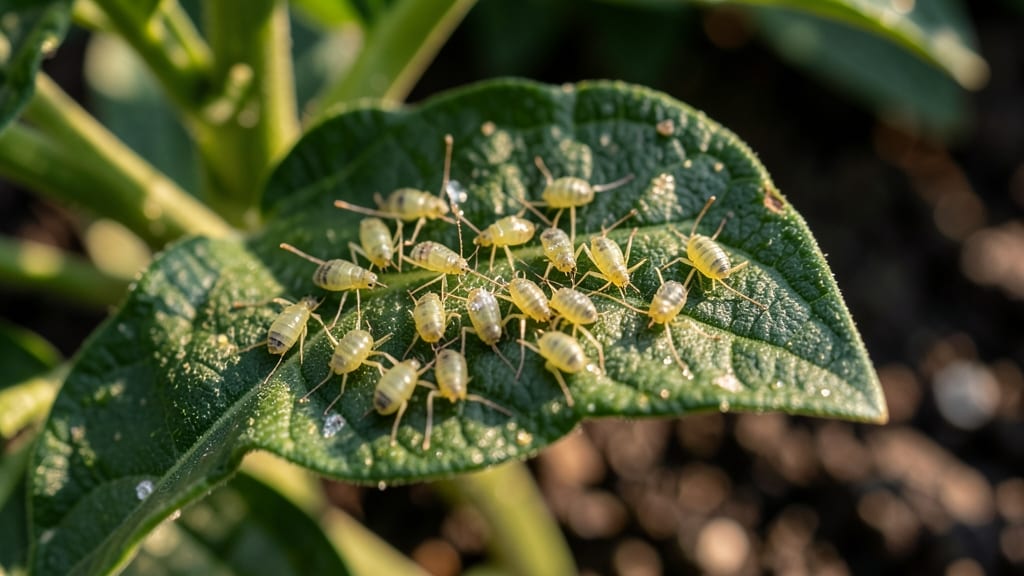
Bell pepper plant bugs can turn your harvest into a buffet for pests—aphids, hornworms, and spider mites are the usual culprits, but I’ve learned how to fight back without harsh chemicals. 🌿 The key is acting fast: I’ve seen entire plants stripped bare in days if you wait too long, but with the right organic fixes, you can protect your peppers and still enjoy a thriving garden.
Most of these pests show up because your plants are stressed—whether from drought, overcrowding, or poor soil. Aphids cluster on new growth, hornworms skeletonize leaves overnight, and spider mites create fine webbing on the undersides.
I’ve found that a strong spray of water (yes, really!) often knocks aphids off, while handpicking hornworms—gross but effective—saves my peppers from becoming a caterpillar salad.
Prevention is the real game-changer: interplanting with basil or marigolds deters pests naturally, and neem oil spray keeps spider mites at bay. Once you spot the first signs, you’ll see healthier plants within a week, with fewer holes in the leaves and more energy going into fruit instead of repair.
The best part? These methods work just as well for tomatoes and eggplants too.
Confession: I used to panic when I saw the first chewed leaves, but now I treat it like a puzzle—identify the pest, pick the right fix, and move on. Your peppers will thank you with bigger, sweeter harvests all season long. Let’s get those bugs under control the organic way!
Root Causes of Pepper Plant Pests
Understanding why pests target your bell pepper plants is the first step to stopping them in their tracks. These tiny troublemakers don’t just appear out of nowhere—they’re drawn by specific conditions in your garden.
Let’s break down the science behind their behavior and the factors that make your peppers a buffet.
Pests love weak, stressed, or overcrowded plants because they’re easier to attack. When bell peppers are packed too closely together, airflow is restricted, creating a damp, humid microclimate that attracts insects like aphids, whiteflies, and spider mites.
Additionally, stressed plants (due to poor soil, drought, or nutrient deficiencies) produce less natural defenses, making them prime targets.
Why it happens:
- Poor air circulation traps moisture, encouraging fungal issues and pest infestations.
- Competition for nutrients weakens plants, reducing their ability to fend off pests.
- Root damage (from overwatering or compacted soil) stresses the plant, signaling pests that it’s vulnerable.
Actionable fix: Space plants 12–18 inches apart and prune leaves to improve airflow.
Pests are opportunists, and nutrient-deficient plants are like open invitations.
For example: - Nitrogen deficiency (yellowing leaves) attracts aphids, which feed on sap. - Phosphorus or potassium shortages weaken plant immunity, making them susceptible to borers and beetles. - Excess nitrogen (lush but weak growth) can attract soft-bodied pests like whiteflies.
Why it happens:
- Poor soil testing leads to incorrect fertilizer use.
- Over-fertilizing can burn roots, stressing the plant.
- Depleted soil lacks the micronutrients (like calcium or magnesium) that boost pest resistance.
Actionable fix: Test your soil and amend with compost or balanced organic fertilizer (like 5-5-5).
Moisture-loving pests like slugs, snails, and fungal gnats thrive in soggy soil. Overwatering or poorly draining soil creates the perfect breeding ground, while damp foliage invites fungal issues that attract secondary pests (like mites).
Why it happens:
- Clay or compacted soil holds too much water, suffocating roots.
- Frequent watering (especially overhead) keeps leaves damp for extended periods.
- Lack of mulch leads to uneven soil moisture and temperature swings.
Actionable fix: Water at the base (not the leaves) and use raised beds or sand to improve drainage.
Some pests aren’t the main villains—they’re just following the real culprits. For example:
- Aphids are drawn to honeydew-producing plants (like nearby weeds).
- Whiteflies flock to yellow-sticky traps or overripe fruit.
- Carrot rust flies may target peppers if their preferred hosts (carrots or parsley) are nearby.
Why it happens:
- Weeds or alternate hosts in the garden provide pest reservoirs.
- Overripe or damaged fruit emits volatile organic compounds (VOCs) that attract flies and beetles.
- Monoculture planting (growing only peppers) creates a pest paradise.
Actionable fix: Rotate crops, remove weeds, and harvest peppers promptly to avoid attracting pests.
Pro Tip: 🔍 Monitor your plants daily for early signs of stress (wilting, discoloration, or sticky residue). Catching issues early means fewer pests!
Quick Fixes for Pepper Plant Pests
Got unwanted critters munching on your bell peppers? Don’t panic—most garden bugs can be managed with simple, organic solutions. Below, we’ve mapped out practical fixes for common pests, from chewers to sap-suckers, plus prevention tips to keep your plants thriving. 🌱🛡️
Signs: Sticky residue (honeydew), curled leaves, or clusters of tiny green/black bugs on stems and undersides.
How to Treat:
🔥 Blast Them Away Use a strong spray of water (from a hose or spray bottle) to knock aphids off leaves. Repeat every 2–3 days until gone.
🍳 Soapy Water Spray Mix 1 tsp mild liquid soap (like Castile) + 1 quart water. Spray directly on aphids—avoid overspraying flowers to protect pollinators. 👨🍳
🌿 Neem Oil or Insecticidal Soap Spray a neem oil solution (1 tbsp neem oil + 1 tsp soap + 1 quart water) on infested areas. Reapply after rain. ✨
Prevention Tips:
- Encourage natural predators like ladybugs and lacewings by planting dill, fennel, or marigolds nearby.
- Check new plants before adding them to your garden—aphids often hitch a ride.
Signs: Fine webbing on leaves, yellow stippling (like tiny freckles), or leaves that look "bronzed."
How to Treat:
💦 Rinse Off Webbing Wipe leaves with a damp cloth or hose them down to remove webs and mites.
🌡️ Increase Humidity Spider mites thrive in dry conditions. Use a misting bottle or shade cloth to keep humidity up.
🎯 Neem Oil or Horticultural Oil Spray a neem oil mix (1 tbsp neem + 1 tsp soap + 1 quart water) on both sides of leaves. Repeat every 5–7 days. 🔥
Prevention Tips:
- Water deeply and regularly—mites hate consistent moisture.
- Avoid over-fertilizing (especially with nitrogen), which stresses plants and attracts mites.
Signs: Large green caterpillars with white stripes, half-eaten leaves, or frass (black droppings) on foliage.
How to Treat:
🔪 Handpick Them Off Wear gloves and squish or drop hornworms in soapy water. Check plants early morning when they’re sluggish. ⏰
🌿 Bacillus Thuringiensis (Bt) Sprinkle Bt powder (a natural bacteria) on leaves—it kills hornworms without harming other insects. 💡
🥘 Attract Predators Plant basil, dill, or parsley to lure parasitic wasps, which lay eggs in hornworms (they’ll die off naturally).
Prevention Tips:
- Remove egg masses (tiny green clusters on leaves) before they hatch.
- Rotate crops to disrupt their life cycle.
Signs: Cleanly cut stems at soil level, or small brown worms hiding under leaves at dusk.
How to Treat:
🌙 Flashlight Patrol Shine a light at dusk to spot cutworms—pick them off by hand and drop them in soapy water.
🛡️ Collar Young Plants Wrap the base of stems with cardboard collars (cut from toilet paper rolls) to block cutworms.
🌿 Diatomaceous Earth Sprinkle food-grade DE around the base of plants—it’s harmless to you but dehydrates worms. 💡
Prevention Tips:
- Mulch heavily to discourage worms from burrowing.
- Plant marigolds nearby—they repel cutworms naturally.
Want to keep bugs away before they arrive?
Follow these easy habits: ✅ Inspect plants weekly—catch pests early! ✅ Rotate crops yearly to disrupt pest cycles. ✅ Encourage biodiversity—plant flowers, herbs, and companion plants (like garlic or onions) to attract beneficial insects. ✅ Use row covers for young plants to block flying pests. ✅ Clean up debris—pests love hiding in old plant matter.
Pro Tip: 🌱 Healthy plants resist pests better! Ensure your bell peppers get:
- Full sun (6–8 hours/day)
- Well-draining soil
- Regular watering (1–1.5 inches per week)
With these fixes, your pepper plants will bounce back—and you’ll enjoy juicy, pest-free harvests in no time! 🌶️💚
Frequently asked questions
What are the most common bugs that attack bell pepper plants?
The top culprits are aphids (tiny green/black clusters), hornworms (large green caterpillars with white stripes), and spider mites (webbed leaves with yellow stippling). Don’t forget cutworms (they sever stems at soil level) and whiteflies (tiny white moths that flutter when disturbed).
How do I know if my pepper plant has a bug problem?
Look for chewed leaves, sticky residue (honeydew from aphids), fine webbing (spider mites), or black droppings (frass from hornworms). Check the undersides of leaves and new growth first—these are prime hiding spots.
Can I use neem oil on bell peppers, and how often?
Yes! Mix 1 tablespoon neem oil + 1 teaspoon mild soap + 1 quart water and spray on leaves (avoid flowers). Apply every 5-7 days or after rain. Neem disrupts insect life cycles but is safe for plants and beneficial insects when used correctly.
What’s the fastest way to get rid of hornworms?
Handpick them early in the morning when they’re sluggish—drop them in soapy water. For a chemical-free boost, sprinkle Bacillus thuringiensis (Bt) powder on leaves (it kills caterpillars in 24-48 hours). Planting basil nearby also attracts parasitic wasps that naturally control hornworm populations.
Will companion planting really keep bugs away?
Plant marigolds (repel nematodes), basil (deters flies and mosquitoes), or garlic/onions (ward off aphids). Even dill or fennel attract ladybugs and lacewings—natural predators of pepper pests. Space companions 12-18 inches from your peppers for best results.