
Propagation
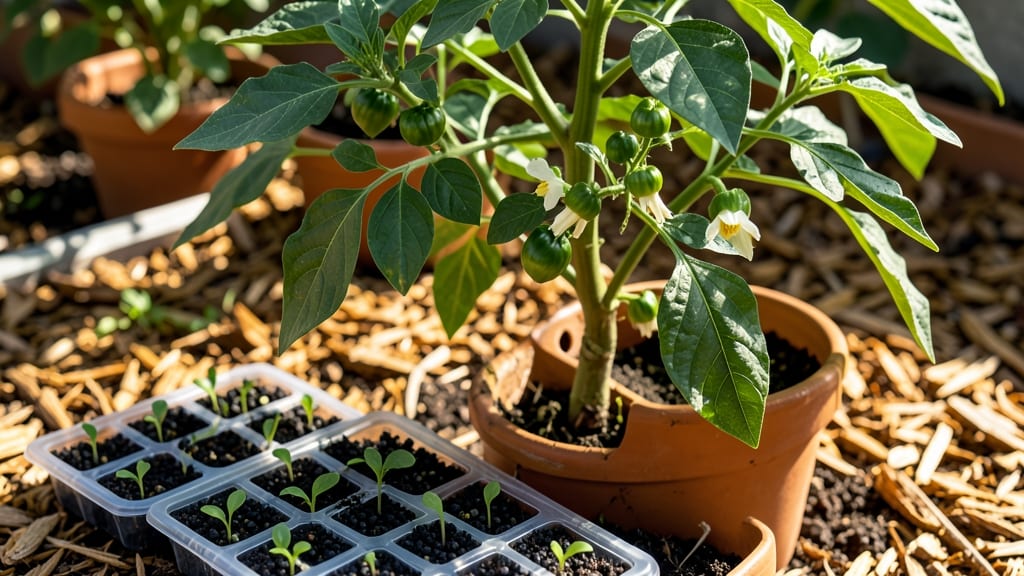
Growing black peppercorn seeds from scratch isn't just possible—it's shockingly fast once you know the tricks. 🌱 I've struggled with slow germination until I discovered the right moisture, heat, and light combo that turns stubborn seeds into seedlings in just 10-14 days.
The key isn't what you plant, but how you create the perfect tropical microclimate before the seeds even sprout.
Black pepper thrives where it's warm and humid—think 75-85°F and 70%+ moisture. That's why most gardeners fail: they treat pepper seeds like tomatoes or herbs. You'll need a heat mat, humidity dome, and consistent bottom-watering to mimic its native jungle conditions.
Even in cooler climates, indoor grow lights and a simple DIY greenhouse setup can work wonders.
By week 3, you'll see those first true leaves—dark green and glossy—proving the seeds broke dormancy. These aren't delicate seedlings; they're tough vines that climb aggressively.
With the right support (like a trellis or cage), you'll watch them grow 3-6 feet in their first year, producing tiny black peppercorns that taste like nothing store-bought can match.
The real magic happens when you transplant them outdoors (if your zone allows) or keep them indoors year-round. Black pepper is a long-term investment—it takes 2-3 years to bear fruit—but the satisfaction of harvesting your own peppers from seeds you grew is unmatched. Even in containers, these vines deliver.
📚 In This Guide
- What you need
- Instructions
- Tips and common mistakes
- Wrapping up and next steps
What you need
- ● Black peppercorn seeds: 5–10 fresh, organic seeds (preferably from a reputable supplier; avoid pre-treated or dried spices from the grocery store).
- ● Seed-starting mix: 1 small pot (4–6 inches in diameter) or 1–2 seed trays filled with well-draining, sterile potting mix (avoid garden soil—it’s too dense!).
- ● Clear plastic dome or plastic wrap: To create a mini greenhouse effect (a 1-gallon ziplock bag works in a pinch!).
- ● Spray bottle: With water (or a fine-mist setting) to keep the soil moist without oversaturating.
- ● Small pot or nursery container: With drainage holes (or a seedling tray with individual cells).
- ● Grow lights or sunny windowsill: A south-facing window or LED grow light (12–16 hours/day) for warmth and light.
- ○ Humidity tray (optional but helpful): A shallow tray filled with pebbles and water to maintain moisture levels.
- ● Tweezers or toothpick: For gently placing tiny seeds into the soil.
- ○ Thermometer (optional): To monitor soil temperature (ideal range: 75–85°F).
- ● Fertilizer (balanced, water-soluble): Diluted to half-strength once sprouts appear (e.g., 10-10-10 or fish emulsion).
- ● Patience & consistency: Black pepper seeds are slow to germinate—some take 4–8 weeks! Stay diligent with moisture and warmth.
- ● 💡 Pre-soak seeds: Soak seeds in warm water for 24 hours to soften the hard outer shell (speeds up germination!).
- ● 🌡️ Warmth is key: Place your setup on a heat mat (70–80°F) or near a warm spot (like on top of a fridge).
- ● ✨ Avoid overwatering: Keep soil consistently moist, not soggy—black pepper hates "wet feet."
Step-by-Step instructions for germinating black peppercorn seeds
Here’s how I guarantee those stubborn peppercorn seeds break through the soil within 10-14 days—no waiting months.
🌱 Step 1: Soak Seeds for 24 Hours to Break Dormancy
Black peppercorns have a tough outer shell that resists water absorption. Place them in a small bowl with warm water (about 85°F) and let them soak for a full 24 hours. You’ll see the water turn slightly cloudy and the seeds swell noticeably—this is your signal they’re ready. Don’t skip this step; dry seeds can take 30+ days to germinate.
After soaking, drain the water and gently blot the seeds dry with a paper towel. This prevents rot while keeping them hydrated. Store them in a sealed container overnight if you need to pause before planting. The goal is to soften the seed coat without letting them dry out completely.
💧 Step 2: Plant in Warm, Moist Soil with High Humidity
Fill a small pot (at least 3 inches deep) with a mix of 50% peat moss and 50% perlite—this ensures excellent drainage while retaining moisture. Peppercorn seeds need warmth to germinate, so preheat the soil in a microwave for 30 seconds or place the pot in a 75-85°F environment (like on top of a refrigerator) for 12 hours before planting.
Plant the soaked seeds ½ inch deep in the warm soil, spacing them 1 inch apart. Cover the pot with clear plastic wrap or a humidity dome to trap heat and moisture. Place it in a location with indirect light—direct sun will dry out the soil too quickly. Check daily for condensation on the plastic; if it’s dry, mist the soil lightly with lukewarm water.
☀️ Step 3: Maintain Consistent Warmth and Light After Germination
Germination typically occurs within 10-14 days, but be patient—some seeds may take up to 3 weeks. Once you see the first sprouts, remove the plastic wrap immediately to prevent fungal growth. Move the pot to a bright spot with indirect light (like an east-facing window) for the first 2 weeks4-6 hours of morning sun daily.
Keep the soil consistently moist but never soggy—peppercorn seedlings are sensitive to root rot. Water gently at the base of the plants, avoiding the leaves. If the soil feels dry ½ inch below the surface, it’s time to water. You’ll know you’ve got the balance right when new leaves emerge with a deep green color and the stems remain firm.
✂️ Step 4: Transplant Seedlings to Larger Pots for Strong Growth
Once seedlings develop 3-4 true leaves (about 6-8 weeks after planting), transplant them into individual 6-inch pots filled with a well-draining potting mix. Peppercorns need room to grow, so avoid crowding. Handle the seedlings carefully—they’re delicate at this stage. Water thoroughly after transplanting to help them establish roots in their new home.
After transplanting, place the pots in a location with bright, indirect light for 2 weeks to reduce stress. Gradually increase sunlight exposure to 6+ hours daily over the next 2 weeks4 weeks.
Tips & tricks for perfect black peppercorn seed germination
Took me years of trial-and-error to crack the code on these stubborn seeds—here’s what actually works.
Soaking Secret: The 24-hour soak isn't just about hydration—it's about breaking dormancy. Use a thermometer to confirm that warm water stays at 85°F throughout. If your tap water runs cooler, warm it gently on the stove first. I've seen seeds fail to germinate when soaked in water below 75°F, even after 48 hours. The cloudy water you'll notice is actually a good sign: it means the seed coats are softening properly.
Heat Hack: That 75-85°F soil temperature range in Step 2 is non-negotiable for speed. I place my pots on top of my refrigerator (which maintains a steady 78°F) for the full 12 hours before planting. If you don't have that option, try a seedling heat mat set to 80°F. The microwave preheating trick works, but monitor carefully—overheating can kill the seeds before they even sprout.
Light Transition: The gradual light increase in Step 3 is where most people mess up. Start with just 2-3 hours of morning sun in that first week, not the full 4-6 hours. I've seen seedlings get sunburned when moved too quickly to direct light. Look for the leaves to develop a slight red tint before increasing exposure—this is your plant's natural sunscreen telling you it's ready for more.
Transplant Timing: Waiting for 3-4 true leaves (not counting the initial seed leaves) is crucial. I check for leaves that are at least 1 inch long and have visible veins. Transplanting too early stresses the delicate root systems, while waiting too long makes the seedlings top-heavy. After transplanting, I always water from the bottom by placing the pot in ½ inch of water for 10 minutes—this encourages deeper root growth.
Pro Tips for Black Peppercorn Seeds
- Took me years of trial-and-error to crack the code on these stubborn seeds—here’s what actually works.
- Soaking Secret: The 24-hour soak isn't just about hydration—it's about breaking dormancy.
- Heat Hack: That 75-85°F soil temperature range in Step 2 is non-negotiable for speed.
Frequently asked questions
Got questions about growing black peppercorn seeds? You’re not alone! Here are answers to the most common queries to help you sprout success like a pro.
How long does it take for black peppercorn seeds to germinate?
Patience is key! Black peppercorn seeds typically take 3 to 6 months to germinate—yes, really. They’re slow starters because they need warm, moist conditions and a long soak (like 24+ hours) to break dormancy. Keep them in a consistently warm spot (70–85°F) and avoid letting the soil dry out.
Do I need to soak black peppercorn seeds before planting?
Absolutely!
Soaking is critical for breaking their tough outer shell. Soak seeds in warm water for 24–48 hours, changing the water every 12 hours to prevent mold. Pro tip: Add a tiny pinch of hydrogen peroxide (1 tsp per cup) to disinfect the water.
Can I grow black peppercorns indoors without sunlight?
Yes, but you’ll need a grow light! Black pepper plants thrive in bright, indirect light (6+ hours daily). A full-spectrum LED grow light works wonders if natural light is lacking. Place it 6–12 inches above the seedlings and adjust as they grow.
Why aren’t my black peppercorn seeds sprouting?
Don’t panic—try these fixes:
- Check moisture: Soil should stay consistently damp (not soggy). Use a spray bottle for gentle watering.
- Warmth matters: Seeds need consistent warmth (use a heat mat if needed).
- Patience: If they’ve been 6+ months with no sprouts, they may be non-viable. Try fresh seeds!
Are there faster alternatives to growing black peppercorns from seed?
If you’re eager for peppercorns, consider these shortcuts:
- Buy a young plant: Nurseries often sell 1–2 year-old pepper plants (like Piper nigrum) that bear fruit faster.
- Layering: If you have a mature pepper plant, try air layering to propagate new plants.
- Cuttings: Snip a healthy stem, root it in water, and transplant—faster than seeds!
Wrapping up and next steps
Growing black peppercorn seeds from scratch is a rewarding journey that combines patience, care, and a dash of tropical flair! 🌱 Whether you’re a seasoned gardener or a curious beginner, mastering these germination tricks will set you up for fast, reliable sprouts—and eventually, your own homegrown pepper harvest.
Remember, consistency is key, so don’t hesitate to experiment with the tips shared here.
Now that you’re armed with the know-how, take the next step: plant those seeds! Grab your supplies, create a cozy humidity chamber, and watch your green thumb grow stronger with every sprout. Happy gardening—your future pepper plants are waiting! 🌿✨