
Picking
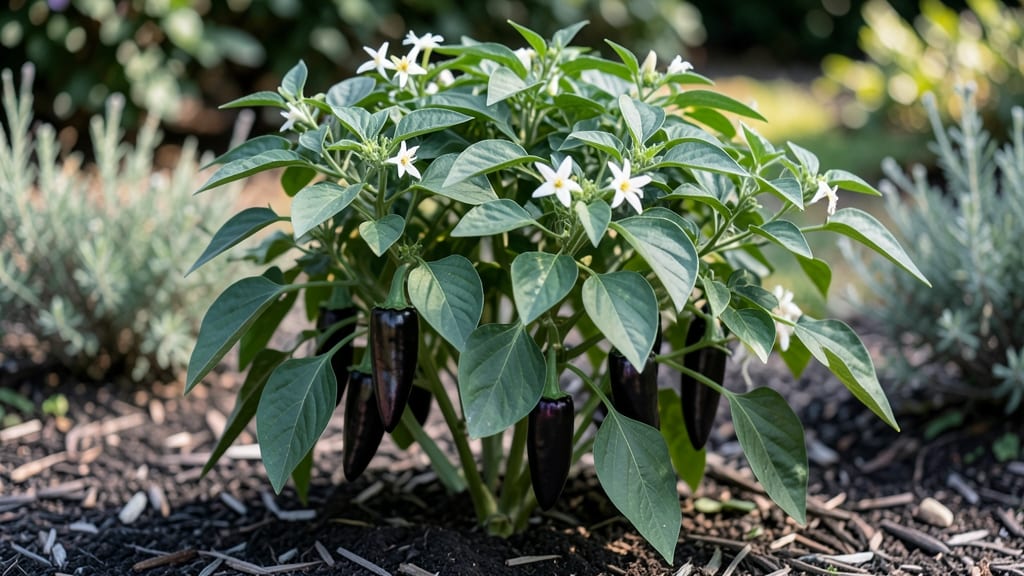
Growing black sweet peppers transforms your garden into a purple jewel box. 🌱 These deep, smoky-sweet varieties thrive when trained on poles, saving space while delivering bold flavor—no bitter surprises here. My first harvest had me hooked after years of struggling with standard bells that turned bland by midsummer.
The secret starts with 6-8 hours of direct sun daily and well-draining soil rich in compost. Plant seeds indoors 8-10 weeks before last frost, then transplant seedlings into 3-4 inch pots before moving them outside.
Black sweet peppers need 18-24 inches of vertical space when trellised, making them perfect for small yards or balconies.
By mid-summer, you'll be harvesting glossy purple peppers with thick walls and intense sweetness—ideal for roasting or fresh eating. Consistent watering (1-1.5 inches per week) and a balanced fertilizer (10-10-10) every 4-6 weeks keeps them productive until frost.
The first peppers appear around 75 days, and the plants keep producing if you remove spent blooms.
Watch for blossom end rot (calcium deficiency) by adding crushed eggshells to the soil, and protect young plants from early frost with row covers. These peppers reward patience with longer harvest windows than their green counterparts—imagine purple peppers on the vine well into fall!
📚 In This Guide
- What you need
- Instructions
- Tips and common mistakes
- Wrapping up and next steps
What you need
- ● Black sweet pepper seeds: 3-5 seeds (or 1-2 seedlings if starting from nursery stock). Look for heat-tolerant varieties like ‘Black Beauty’ or ‘Black Pearl’.
- ● Pole or trellis system: 6-8 ft tall (for pole-trained growth). Use sturdy bamboo stakes, metal cages, or wooden poles.
- ● Potting mix: 10-15 gallons of well-draining, organic-rich soil (or a 50/50 blend of potting soil and compost).
- ○ Containers (optional but helpful): 5-gallon fabric pots or large grow bags (12-18 inches deep) if gardening in limited space.
- ● Fertilizer: Balanced organic fertilizer (10-10-10 or 5-5-5) for planting, plus a slow-release option like worm castings or compost tea.
- ● Mulch: Straw or shredded leaves to retain moisture and suppress weeds.
- ● Gloves & pruning shears: For handling plants and trimming excess foliage.
- ● Watering can or hose with a gentle spray nozzle: Peppers hate soggy roots!
- ● Support ties: Soft plant ties or Velcro straps to secure vines to the trellis.
- ● Sunlight access: At least 6-8 hours of direct sunlight daily (south-facing spot or grow lights for indoor setups).
- ● Heat tolerance: Black sweet peppers thrive in 70-90°F (21-32°C)—avoid frost or cold drafts!
- ● Drip irrigation kit for consistent moisture.
- ● Copper tape or row covers to deter pests like aphids.
- ● Grow lights for extending the season in cooler climates.
- ● PH test kit to ensure soil is slightly acidic (6.0-6.8).
Step-by-Step instructions for growing pole-trained black sweet peppers
Here's how to coax those rich, smoky-sweet peppers into vertical space without sacrificing flavor or yield.
🌱 Step 1: Start Seeds Indoors for Early Heat-Seeking Growth
Black sweet peppers thrive when given a head start. Plant seeds 8-10 weeks before your last frost date in 2-3 inch deep biodegradable pots filled with sterile seed-starting mix. Press each seed ¼ inch deep—any deeper delays germination because the seedling must push through too much soil. I label each pot immediately since pepper seedlings look identical at first.
Cover the tray with a humidity dome or plastic wrap and place it on a seedling heat mat set to 75-85°F. Germination takes 10-14 days, but don't be surprised if it stretches to 3 weeks in cooler homes. The key is patience—rushing watering or moving pots too soon kills tender sprouts. Once seedlings emerge, remove the dome and place them under grow lights for 14-16 hours daily.
🪴 Step 2: Transplant to Poles and Fertile Soil
When seedlings show 4-5 true leaves (about 6-8 weeks after sowing), transplant them into 5-gallon containers or directly into garden beds amended with 2-3 inches of compost. Black sweet peppers need rich soil to develop their signature sweetness. I bury the pole alongside each plant, securing it with soft ties—this prevents root disturbance later.
Space plants 18-24 inches apart in full sun. If using poles, drive them 2-3 feet deep for stability. The pole should be 6-8 feet tall to support the plant's sprawling growth habit. Water deeply after transplanting to settle roots, but avoid soggy soil—peppers hate wet feet and rot quickly. Mulch with 2 inches of straw to retain moisture and suppress weeds.
☀️ Step 3: Train Vines and Manage Heat for Maximum Flavor
Black sweet peppers need consistent warmth to develop their signature sweetness. Once plants reach 12-18 inches tall, gently weave the main stem around the pole in a spiral. Use soft plant ties to secure each loop—tight ties strangle stems as they grow. Prune suckers (side shoots in leaf axils) to focus energy on fruit production, but leave 2-3 leaves below each fruit cluster for photosynthesis.
Here's the thing—black sweet peppers turn bitter if stressed. Monitor soil moisture daily; water when the top inch feels dry. In hot climates, provide afternoon shade to prevent sunscald on fruits. Fertilize with a balanced 10-10-10 formula every 3-4 weeks once flowers appear, but reduce nitrogen after fruiting begins—too much greenery means fewer peppers.
✂️ Step 4: Harvest and Extend the Season
Harvest peppers when they reach 3-4 inches long and develop their deep black color. Use pruning shears to cut stems ¼ inch above the fruit—this prevents disease entry points. Black sweet peppers continue ripening off the vine, so harvest at your preferred sweetness level. Store in a cool, dark place for 1-2 weeks or freeze whole for later use.
To extend the season, cover plants with frost cloth when nighttime temps drop below 50°F. I've kept my pole-trained peppers producing until first hard frost by providing bottom heat with a small greenhouse heater. This simple trick adds 3-4 extra weeks of harvest time—worth the effort for homegrown sweetness.
Tips & tricks for pole-trained black sweet peppers
These game-changing strategies will help you grow sweeter, more productive black sweet peppers without the bitter surprises.
Seed Starting Precision: The 8-10 week timing before your last frost date is crucial—don't rush it! I've found that using a seedling heat mat at exactly 75-85°F speeds germination while preventing leggy seedlings. Place your pots on a sunny windowsill or under grow lights for 14-16 hours daily once they sprout, but keep them just above the heat mat to prevent overgrowth. The goal is sturdy, compact seedlings that'll handle transplant shock.
Soil Sweetness Secret: Black sweet peppers develop their signature flavor through rich soil, so don't skimp on the 2-3 inches of compost in Step 2. I mix in aged manure or worm castings for extra sweetness potential. When transplanting, bury the pole alongside the plant at 2-3 feet deep—this creates instant support while minimizing root disturbance. The 18-24 inch spacing might seem wide, but it prevents fungal diseases by improving air circulation.
Heat Management: Those 50°F nighttime temps in Step 4 are your warning sign—cover plants immediately with frost cloth to protect tender fruits. For daytime heat, I've had success with shade cloth during peak summer hours (11am-3pm) in hot climates. The top inch soil moisture check is your best guide—peppers are drought-sensitive but hate soggy roots. A moisture meter helps if you're unsure, especially in sandy soils that dry out quickly.
Vertical Training Hack: When weaving vines around the pole in Step 3, I use a spiral pattern with 6-8 inch intervals between loops. This creates natural breaks that prevent stem damage. For the 2-3 leaves below each fruit cluster, I always leave the largest, healthiest leaves—these are the photosynthesis powerhouses that fuel sweetness development. Prune suckers consistently, but never more than one-third of the plant's foliage at once to avoid shocking it.
Pro Tips for Black Sweet Pepper
- These game-changing strategies will help you grow sweeter, more productive black sweet peppers without the bitter sur...
- Seed Starting Precision: The 8-10 week timing before your last frost date is crucial—don't rush it! I've found that u...
- Soil Sweetness Secret: Black sweet peppers develop their signature flavor through rich soil, so don't skimp on the 2-...
Frequently asked questions
about growing black sweet pepper—because even the best gardeners need a little help! Here are answers to the most common queries to keep your plants thriving.1. Why does my black sweet pepper plant look healthy but isn’t producing fruit?
Black sweet pepper plants need consistent warmth (70–85°F) and 6–8 hours of sunlight daily. If temps dip below 55°F or days get too short, they’ll stall. Try relocating to a sunnier spot or using a row cover for extra warmth. Also, ensure they’re well-watered but not soggy—stress = fewer peppers!.
2. How do I know when black sweet peppers are ripe for picking?
These peppers ripen to a deep black or dark purple hue (hence the name!) and feel firm to the touch. Unlike green peppers, they’re sweet and smoky when fully mature. Pick them when glossy and slightly soft—wait too long, and they may shrivel or split! Use pruning shears for a clean cut to avoid damaging the plant.
3. Can I grow black sweet peppers in containers, and what size pot do I need?
Since they’re compact, 5-gallon pots work well for 1–2 plants. Ensure pots have drainage holes and use a lightweight potting mix (like 60% peat/40% perlite). Place containers in full sun and fertilize every 2–3 weeks with a balanced organic fertilizer (10-10-10). Pro tip: Rotate pots weekly for even growth!
4. What should I do if my black sweet pepper plants get blight or pests?
Blight (like bacterial spot) shows as dark spots on leaves/fruit—remove affected parts immediately and space plants for airflow. For pests (aphids, spider mites), spray with neem oil or insecticidal soap. Prevent future issues by avoiding overhead watering and mulching to deter soil-borne diseases. Crop rotation helps too!
5. Can I save seeds from black sweet pepper plants for next year?
Yes! Let a few peppers fully ripen and dry on the plant (they’ll turn papery). Open them, scoop out seeds, and ferment the pulp in water for 3–5 days to remove gel. Rinse, dry on paper towels, and store in a cool, dark place. Note: Seed viability drops after 1–2 years, so label and date your stash!
Wrapping up and next steps
Growing black sweet pepper in your compact garden is totally doable—even if you’re new to gardening! With the right pole training, soil prep, and a little patience, you’ll soon be harvesting mild, flavor-packed peppers without the bitter surprises. 🌱✨
Ready to take the next step? Start with one or two plants this season, experiment with varieties, and enjoy the rewarding process. Before you know it, you’ll be sharing your homegrown peppers with friends—or even expanding your garden for a bigger harvest!