
Pests
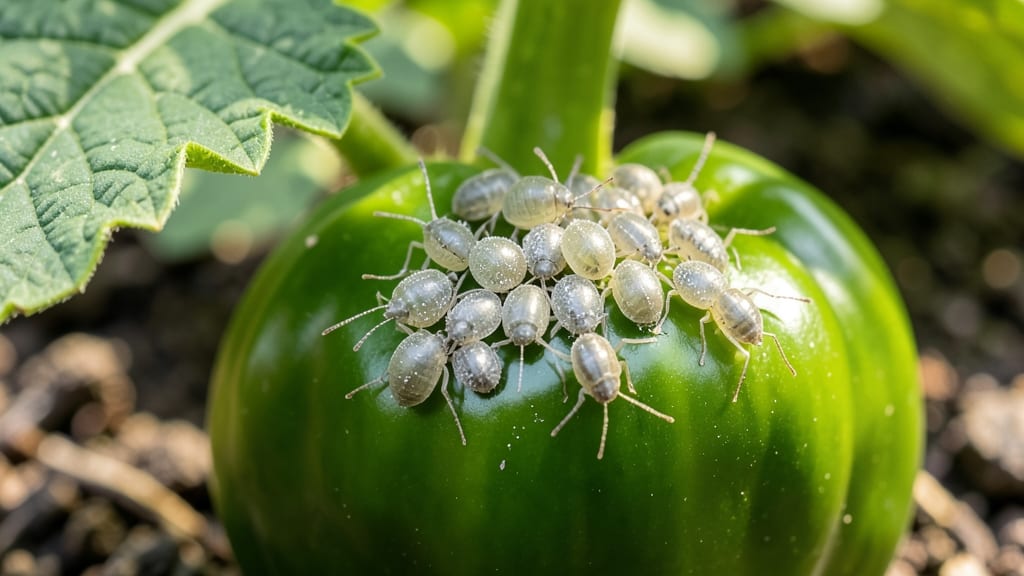
Bugs on peppers aren’t just annoying—they can turn a thriving plant into a skeleton of leaves in days. 🌱 I’ve watched aphids drain my jalapeños and hornworms strip my bell peppers bare, but I’ve also learned how to fight back without harsh chemicals.
The key is acting fast, using the right tools, and keeping your plants strong enough to bounce back. Most infestations start small: tiny webs, chewed leaves, or sticky residue. Aphids cluster on new growth, hornworms leave behind massive bite marks, and spider mites create fine webbing.
The sooner you spot them, the easier they are to control—before they multiply into a full-blown crisis. With the right organic sprays, companion plants, and preventive habits, you’ll keep your peppers healthy and productive all season.
My plants now stay lush, my harvests are bigger, and I never panic when I see the first sign of trouble. Here’s how to do the same.
Prevention is your best weapon. Healthy soil, proper watering, and a few strategic companion plants (like basil or marigolds) make peppers less appealing to pests. When bugs do show up, I reach for neem oil or insecticidal soap first—both are safe for edible crops and work fast if applied correctly.
For worse cases, I’ve had success with beneficial nematodes for grubs and row covers to block flying pests.
Timing matters too. Check your plants weekly during peak growing season, especially the undersides of leaves where pests hide. Most bugs appear in warm weather, so proactive monitoring in May and June saves you from a summer battle.
The goal isn’t just to kill pests—it’s to build a garden where peppers thrive naturally, even when bugs show up.
Root Causes Behind Pepper Pests
Peppers are a garden favorite, but their tender leaves and sweet fruits can attract unwanted critters. Understanding the why behind these pests is the first step to keeping your plants thriving.
Below, we break down the most common reasons bugs invade your peppers—and how their behavior ties to your garden’s health.
Peppers are resilient, but when they’re stressed, they become easy targets for pests. Here’s how environmental factors create the perfect bug buffet:
- Poor Soil Nutrition 🌿 Peppers need balanced nutrients—especially nitrogen, phosphorus, and potassium—to grow strong. When soil lacks these, plants produce weaker foliage and fruit, making them more vulnerable to insects like aphids and spider mites.
These pests thrive on stressed plants because they’re easier to feed on and less likely to produce natural defenses like sticky sap or tougher leaves.
- Actionable Fix: Test your soil every 2–3 years and amend it with compost or organic fertilizers like fish emulsion or banana peel tea.
- Overcrowding & Poor Airflow 🌬️ Dense plantings trap moisture and create shady spots, which pests like whiteflies and thrips adore. Without proper airflow, fungal issues (like powdery mildew) can also set in, further weakening the plant and attracting secondary pests.
- Actionable Fix: Space peppers 18–24 inches apart and prune lower leaves to improve circulation.
- Extreme Heat or Drought 🔥💦 Drought-stressed peppers produce smaller, less flavorful fruits and emit volatile organic compounds (VOCs) that attract pests like stink bugs. These bugs are drawn to the plant’s distress signals, seeing them as a sign of easy pickings.
- Actionable Fix: Mulch heavily to retain moisture and water deeply 1–2 times per week during dry spells.
Not all pests target peppers for the same reason. Some are drawn to the plant itself, while others seek out specific parts like flowers or fruits. Here’s the menu:
- Sap-Sucking Invaders (Aphids, Spider Mites, Whiteflies) 🐜 These tiny pests love the sweet sap of young pepper leaves and stems. Aphids, in particular, excrete honeydew—a sticky substance that attracts ants (which "farm" them) and promotes sooty mold, further stressing the plant.
- Why It Happens: High-nitrogen fertilizers can make peppers extra sweet, acting like a neon sign for sap-suckers.
- Fruit & Flower Feeders (Thrips, Hornworms, Stink Bugs) 🌸🍅 Thrips and stink bugs pierce pepper blossoms and fruits, causing scarring and reducing yield. Hornworms, meanwhile, strip leaves and stems in minutes, leaving behind half-eaten foliage.
- Why It Happens: Peppers with damaged or overripe fruits emit ethylene gas, which signals to pests that the plant is ripe for the taking.
- Root & Soil Dwellers (Fungus Gnats, Cutworms, Nematodes) 🐛 These pests thrive in moist, organic-rich soil. Fungus gnats lay eggs in damp potting mix, while cutworms chew young seedlings at ground level. Nematodes, microscopic worms, attack roots, causing stunted growth and wilting.
- Why It Happens: Overwatering or heavy mulch without proper drainage creates the perfect breeding ground.
What you plant near your peppers can either repel pests or attract them. Some common mistakes:
- Attracting Beneficial Insects’ Enemies 🐝➡️🐞 While marigolds and basil repel pests, planting them too close to peppers can sometimes disrupt pollinators (like bees) that also help control pests naturally. If the ecosystem gets thrown off, pests may overrun the peppers instead.
- Herbivore Magnets 🌿🍃 Plants like dill or fennel can attract beneficial predators (like ladybugs), but they also lure in pests like swallowtail butterflies, whose caterpillars devour pepper leaves.
- Actionable Fix: Use pest-repelling plants strategically—try nasturtiums (which distract aphids) or garlic (which deters spider mites) in separate beds.
Sometimes, the problem starts with us. Here’s how human activity can inadvertently invite pests:
- Pesticide Overuse or Residue 💊 Chemical pesticides can kill beneficial insects (like lacewings or predatory mites) that keep pests in check. Without these natural controls, pest populations explode.
- Actionable Fix: Rotate organic sprays (neem oil, insecticidal soap) and avoid broad-spectrum chemicals.
- Transplanting Infested Plants 🌱🚛 Bringing home peppers from nurseries or swapping starts with other gardeners can introduce pests like spider mites or whiteflies. These hitchhikers are hard to spot but devastating once established.
- Actionable Fix: Quarantine new plants for 2 weeks and inspect them thoroughly before planting.
- Harvesting Too Late 🍅⏳ Overripe or rotting peppers on the plant emit odors that attract fruit flies and other scavengers. Even healthy peppers left on the vine too long can become targets for pests like earwigs.
- Actionable Fix: Harvest regularly and remove fallen or damaged fruit immediately.
Quick Fixes for Pepper Pests
When you spot unwanted critters munching on your peppers, acting fast is key! Below are practical, natural solutions tailored to the most common culprits—from aphids to spider mites—plus prevention tips to keep your plants thriving. No harsh chemicals needed, just smart strategies!
Signs: Sticky residue, curled leaves, or clusters of tiny green/black bugs. Fix:
- Blast them away 💦: Spray aphids directly with a strong stream of water (early morning works best). Repeat every 2–3 days.
- Neem oil spray 🌿: Mix 1 tsp neem oil + 1 tsp mild soap + 1 quart water. Spray undersides of leaves where aphids hide. Reapply weekly.
- Introduce predators 🐞🐝: Ladybugs and lacewings love aphids. Buy them online or attract them with dill or fennel plants nearby.
Prevent: Plant garlic, chives, or marigolds nearby—aphids dislike their scent!
Signs: Fine webbing on leaves, yellowing, or tiny moving dots. Fix:
- Wipe them down 🧽: Dampen a cloth with rubbing alcohol (70% isopropyl) and gently rub leaves to smother mites.
- Horticultural oil 🛡️: Use 1 tbsp oil per quart water (like neem or canola oil). Spray thoroughly, especially undersides. Apply at dusk to avoid harming bees.
- Increase humidity 🌧️: Mites thrive in dry air. Mist plants daily or place a tray of water near them.
Prevent: Prune for airflow—mites love crowded, dusty leaves!
Signs: Large green caterpillars with white stripes, half-eaten leaves. Fix:
- Handpick them 👨🍳: Wear gloves and pluck them off (drop in soapy water). Check both sides of leaves—they’re sneaky!
- Bacillus thuringiensis (Bt) 🦠: A natural bacteria spray (Safer® Brand Bt) that kills hornworms’ stomachs. Reapply after rain.
- Encourage birds 🐦: Hang a bird feeder nearby—birds adore hornworms!
Prevent: Remove egg masses (white clusters on leaves) before they hatch.
Signs: Jagged holes in leaves, or worms hiding at the base of plants. Fix:
- Collar defense 🛡️: Wrap cardboard or aluminum foil around stems (3 inches deep) to block crawling worms.
- Beer trap 🍺: Bury a small cup filled with beer near plants—cutworms are attracted and drown.
- Handpick at night 🌙: Use a flashlight to spot and squish them after dark.
Prevent: Loosen soil around plants—cutworms hate dry conditions!
Signs: Tiny holes in leaves, jumping bugs when disturbed. Fix:
- Row covers 🛡️: Use floating fabric row covers (like Agribon) to block adults from laying eggs.
- Diatomaceous earth 🌊: Sprinkle food-grade DE around plants (reapply after rain). It dehydrates beetles.
- Reflective mulch ✨: Cover soil with silver plastic mulch—it confuses beetles with their own reflections.
Prevent: Rotate crops—flea beetles target the same plants yearly.
- Inspect daily 🔍: Catch problems early with a 10x magnifying glass.
- Rotate plants 🌿: Avoid planting peppers in the same spot yearly—pests build up in soil.
- Healthy soil = strong plants 💪: Use compost and balanced fertilizer to boost pepper resilience.
- Diverse garden 🌼: Plant basil, thyme, or nasturtiums—they repel pests naturally!
Pro Tip: 💡 Rotate your methods—pests adapt! Mix up sprays, traps, and manual removal to stay ahead.
With these easy, chemical-free fixes, your peppers will stay pest-free and delicious! 🌶️💚
Frequently asked questions
Are the bugs on my peppers harmful to eat?
Most common pepper pests like aphids, spider mites, and hornworms aren't harmful to eat, but they can leave behind residue or attract ants. The bigger concern is that they stress the plant, reducing fruit quality and yield. Always wash peppers thoroughly before eating, especially if you've seen heavy infestations.
How do I tell if my pepper plants are just struggling or actually infested?
Look for specific signs: aphids leave sticky residue, spider mites create fine webbing, and hornworms leave large, ragged holes. Healthy peppers have shiny leaves and steady growth—stressed plants may have yellowing, wilting, or stunted growth. Check both leaf surfaces and soil for hidden pests.
Can I use the same spray for all types of pepper bugs?
Neem oil works for many pests, but some bugs need targeted solutions. For example, hornworms respond best to Bacillus thuringiensis (Bt), while spider mites need increased humidity. Always identify the pest first—your garden's ecosystem depends on it! Mix methods for best results.
Will my peppers recover if I treat the bugs early?
Yes! Early intervention gives peppers time to regrow leaves and produce fruit. Remove severely damaged leaves, apply targeted treatments, and maintain plant health. Most peppers bounce back within 2-3 weeks if you catch infestations before they spread to 25% of the plant.
How often should I check my pepper plants for bugs?
Inspect your peppers weekly during growing season, with extra checks after rain or when new growth appears. Focus on leaf undersides, stems, and soil—these are prime hiding spots. Morning inspections work best when pests are most active and visible.