
Picking
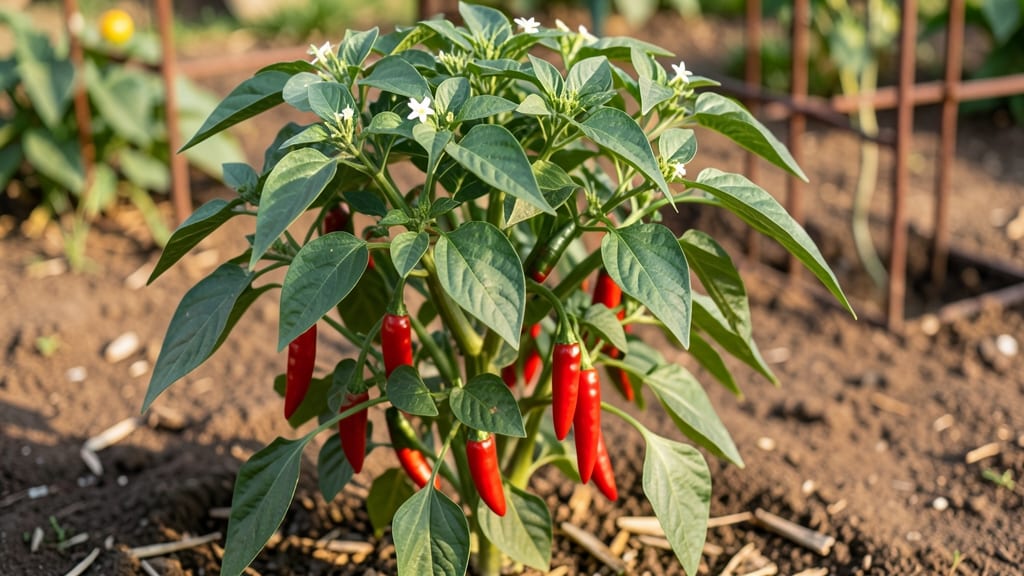
Proper cayenne pepper care turns a handful of peppers into a harvest that lasts all season—just look at the difference between ground-planted and trellised plants. 🌱 I’ve grown cayennes both in the ground and on trellises, and the difference in yield and heat preservation is night-and-day—more peppers, longer harvests, and no sprawling mess.
The secret isn’t complicated: just a sturdy support, proper training, and a few simple care tweaks that keep plants thriving even when summer heat peaks.
You’ll need a 5-foot-tall trellis or sturdy stake, well-draining soil with 5.5-6.5 pH, and full sun (6+ hours daily)—cayennes demand heat to produce their signature kick.
Water consistently but avoid soggy soil (they hate wet feet), and feed with a balanced fertilizer every 3-4 weeks once flowers appear. Prune only to remove damaged leaves or leggy growth; cayennes fruit prolifically on new growth, so less is often more.
By late summer, you’ll be harvesting bright red, finger-length peppers that stay fresh longer when dried or frozen. The pole method also keeps plants off the ground, reducing rot and pests.
I’ve trained mine to produce for 8-10 weeks straight—far longer than bush varieties—while keeping the garden bed tidy and accessible.
Works equally well in containers (with deep pots) or in-ground beds, and adapts to most climates as long as you adjust watering for heat waves. Here’s how to set it up without the common mistakes that waste peppers.
📚 In This Guide
- What you need
- Instructions
- Tips and common mistakes
- Wrapping up and next steps
What you need
- ● Cayenne pepper seeds or seedlings: Choose heat-loving varieties like Cayenne Long Slim or Jalapeño M. Start with 3–5 plants for a small garden or 10+ for larger yields.
- ● Pole system: Bamboo stakes (6–8 ft tall) or sturdy wooden dowels (1–2 inches in diameter).
- ● Twine or plant ties (jute or soft plastic, 10–15 ft per plant).
- ○ Optional: Trellis netting or a tomato cage for extra support.
- ● Well-draining potting mix: 50% organic matter (compost or aged manure) + 50% perlite or vermiculite. Use 1–2 gallons per plant.
- ● Containers or garden bed: For containers: 5-gallon pots or larger (12+ inches deep).
- ● For in-ground: Full sun (6+ hours daily) and loose, fertile soil with a pH of 6.0–6.8.
- ● Fertilizer: Balanced fertilizer (10-10-10) for planting.
- ● High-phosphorus fertilizer (5-10-10) when flowers appear.
- ○ Optional: Compost tea or fish emulsion for a nutrient boost.
- ● Watering supplies: Drip irrigation or a watering can with a fine rose (to avoid disturbing soil).
- ● Pruning shears: Sharp, clean pair for trimming and harvesting.
- ● Mulch: Straw or shredded leaves (2–3 inches thick) to retain moisture.
- ● Warmth: Cayennes thrive in temperatures between 70–90°F (21–32°C). Use row covers if nights dip below 50°F (10°C).
- ● Sunlight: Minimum 6–8 hours of direct sun daily—no compromises!
- ● Space: Allow 18–24 inches between plants for airflow (critical for disease prevention).
- ● Patience: Cayennes take 60–90 days to mature from transplanting.
Step-by-Step instructions for pole-trained cayenne pepper care
Here's how to keep your cayenne peppers thriving on a trellis while maximizing heat and yield.
🪴 Step 1: Set Up Your Trellis System
Install your trellis or stake system before planting. For cayennes, I use 5-foot bamboo poles spaced 18 inches apart in rows. Drive them 6 inches deep for stability—these plants will get heavy with fruit. Attach twine or jute twine horizontally between poles at 12-inch intervals to create a ladder for vines.
Cayennes need support from day one because their stems are naturally weak. I like to plant seeds 2 inches from the pole so the main stem can climb immediately. If starting with transplants, tie the main stem to the trellis at the base with soft plant tie before transferring to the garden.
☀️ Step 2: Provide Optimal Light and Heat
Cayennes demand full sun (6-8 hours daily) and warm soil temperatures (70-85°F) to thrive. In cooler climates, wait until soil reaches 65°F before planting—cold soil delays germination and stunts growth. I always use black plastic mulch to warm the soil faster and retain moisture.
Watch for leggy growth (long, weak stems reaching toward light). This means your plants need more sun or are overcrowded. If you see stems stretching more than 12 inches between leaves, move the trellis closer to a brighter window or supplement with a grow light for 14-16 hours daily. Strong cayennes have compact spacing (4-6 inches between leaves) and deep green leaves.
💧 Step 3: Water Deeply and Train Vines Weekly
Water cayennes at the base (not overhead) every 2-3 days until the top 2 inches of soil feel dry. Overhead watering spreads disease, and cayennes hate wet foliage. I use a soaker hose for 20 minutes per plant to encourage deep root growth. Let the soil dry slightly between waterings—consistent moisture prevents blossom-end rot, but soggy soil causes root rot.
Train vines every 7-10 days by gently weaving new growth through the trellis twine. Cayennes grow 4-6 feet tall if supported properly. Prune side shoots (suckers) that form in the leaf axils—these divert energy from fruit production. Leave only the top 2-3 leaves on each branch to maintain upward growth.
✂️ Step 4: Fertilize and Prune for Maximum Heat
Feed cayennes with a balanced fertilizer (10-10-10) every 4-6 weeks starting when flowers appear. I mix in 1 tablespoon of compost around the base monthly to boost natural nutrients. Too much nitrogen makes plants leafy but reduces heat levels—always follow package instructions for low-nitrogen blends.
When fruits form, remove small, deformed peppers to redirect energy to larger, hotter ones. Harvest mature peppers (red, orange, or yellow) every 3-5 days to encourage continuous production. Never let peppers stay on the plant past full ripeness—they’ll turn bitter and lose heat potency.
⏰ Step 5: Prepare for Winter Storage
When frost threatens, harvest all remaining peppers before temperatures drop below 32°F. String them to dry in a well-ventilated, dark space for 2-3 weeks. Properly dried cayennes should be leathery and wrinkled—not brittle or moldy. Store in paper bags in a cool, dark place for up to 6 months.
Here's the thing—heat fades over time. Use dried cayennes within 3 months for peak spice levels. For long-term storage, freeze whole peppers in ziplock bags or make cayenne powder by grinding dried peppers in a spice grinder. Label everything with the harvest date so you track freshness.
Tips & tricks for perfect pole-trained cayenne pepper growth
Between us, these tricks will help you avoid the most common pitfalls while maximizing heat and yield in your cayenne plants.
Trellis Stability: The 5-foot bamboo poles should be driven 6 inches deep—this isn't just about stability, it's about preventing the entire structure from toppling when heavy with fruit. I've seen cayenne plants reach 4-6 feet tall with proper support, so make sure your trellis can handle the weight. For extra security, add diagonal supports between poles if your garden gets windy. This is especially important in Step 1 where you're establishing the foundation.
Light Optimization: When you notice those 12-inch gaps between leaves mentioned in Step 2, that's your cue to take action. Leggy growth means your plants are stretching for light, which weakens the stems and reduces heat production. If you're supplementing with grow lights, position them 18-24 inches above the plants for the 14-16 hours daily requirement. I've found that LED grow lights work best because they emit less heat that could stress the plants.
Watering Precision: That 20-minute soaker hose session in Step 3 isn't just about quantity—it's about technique. Water should penetrate 6-8 inches deep to encourage strong root development. I recommend testing soil moisture with your finger: if the top 2 inches feel dry, it's time to water. The key is consistency—cayennes hate soggy soil but also can't tolerate drought stress, which both affect heat levels. Consider using a moisture meter for precise readings.
Heat Preservation: Remember how I mentioned heat fades over time in Step 5? Here's the thing—proper drying is everything. For maximum heat retention, string your cayennes with 2-3 inches between each pepper to ensure good airflow. The drying process should take 2-3 weeks in a space with temperatures between 70-75°F and humidity below 50%. If your climate is too humid, consider using a small fan to circulate air gently. This attention to detail makes all the difference when you're preserving that fiery cayenne flavor.
Pro Tips for Cayenne Pepper Care
- Between us, these tricks will help you avoid the most common pitfalls while maximizing heat and yield in your cayenne plants.
- Trellis Stability: The 5-foot bamboo poles should be driven 6 inches deep—this isn't just about stability, it's about preventing the entire structure from toppling when heavy with fruit.
- Light Optimization: When you notice those 12-inch gaps between leaves mentioned in Step 2, that's your cue to take action.
Frequently asked questions
Got questions about keeping your cayenne peppers thriving and fiery?
Here are some of the most common concerns—plus quick, actionable answers to keep your harvest hot and healthy!
How often should I harvest cayenne peppers for continuous production?
Harvest cayenne peppers every 2–3 weeks once they reach your desired size (usually 3–5 inches long). Regular picking encourages more fruit production and prevents overburdening the plant. Pro tip: Use clean scissors or pruners to avoid damaging stems!
Can cayenne peppers survive frost or cold temperatures?
Cayenne peppers are tender annuals and cannot tolerate frost—even a light freeze will kill them. If temperatures dip below 50°F (10°C), move potted plants indoors or cover outdoor plants with frost cloth. Warning: Cold stress reduces heat levels, so keep them warm for maximum spice!
What should I do if my cayenne peppers turn yellow or blighted?
Yellowing or blighted peppers often signal overwatering, fungal issues (like powdery mildew), or nutrient deficiencies. Fix it: Adjust watering (let soil dry slightly between waterings), improve airflow, and fertilize with a balanced 10-10-10 mix. Remove affected peppers immediately to prevent spread.
Are there cayenne pepper alternatives if I can’t grow them?
If growing cayenne peppers isn’t an option, try jalapeños, habaneros, or Thai bird’s eye peppers for similar heat levels. For milder options, bell peppers or banana peppers work in recipes. Store-bought tip: Look for dried or powdered cayenne (check for 100% pure label) for cooking!
How long does it take for cayenne peppers to mature after flowering?
After flowering, cayenne peppers typically take 60–90 days to mature, depending on variety and growing conditions. Speed it up: Ensure full sun (6+ hours/day), consistent warmth (70–85°F), and regular watering. Patience pays off!
Wrapping up and next steps
Caring for your cayenne peppers—whether you’re harvesting ripe pods or preserving their fiery potential—is all about patience, proper training, and timely action. 🌶️ From pole support to pruning and storage, every step ensures a bountiful harvest and bold flavor.
Now that you’re armed with the know-how, it’s time to roll up your sleeves and let the heat grow!
Ready to take the next step? Start by monitoring your plants weekly—adjust pruning, check for pests, and harvest when pods turn vibrant red. And if you’re eager to experiment, try drying or fermenting your cayenne peppers to preserve their kick for months! 🔥