
Picking
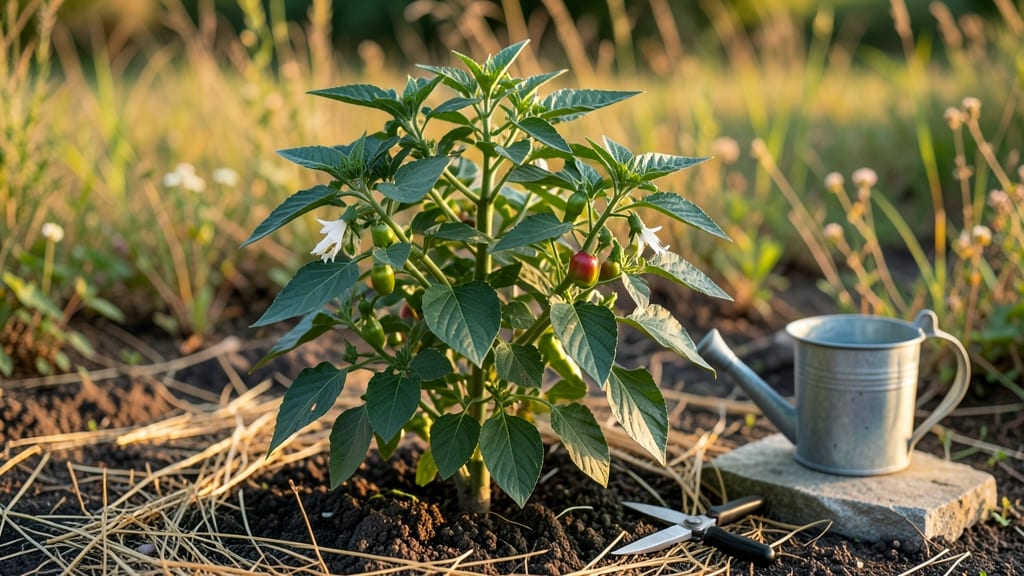
Growing cayenne pepper sprouts from seed is the fastest way to get heat in your garden—55 days to harvestable peppers when trained on poles. 🌱 I’ve learned the hard way that these tiny seeds need warmth and patience to break through their tough shells, but once they do, they grow like rocket fuel.
The key is starting them indoors 8-10 weeks before last frost, using a seedling heat mat to keep soil at 80-85°F—any cooler and they’ll sulk for weeks.
Cayenne sprouts are edible (they’re just mini peppers!), but most gardeners grow them to transplant, since mature plants produce far more heat. Leggy seedlings? That’s your cue to move them under bright grow lights immediately. By the time you transplant, you’ll have sturdy 4-inch seedlings ready to climb poles.
The first red buds appear around day 45, and with proper support, you’ll harvest spicy green or red peppers in just over two months. No small-space garden is too limited for these compact powerhouses. Here’s where most beginners stumble: overwatering and skipping the pole training early.
Start the trellis at transplant time—trust me, your cayennes will thank you with bigger yields and fewer broken stems than if you wait.
📚 In This Guide
- What you need
- Instructions
- Tips and common mistakes
- Wrapping up and next steps
What you need
- ● Cayenne pepper seeds: 10–20 seeds (organic, non-GMO preferred for best flavor and germination).
- ● Biodegradable seed-starting pots or peat pellets: 3–4 inches deep (one per seedling).
- ● Seed-starting mix: 1–2 gallons of sterile, well-draining potting soil (avoid garden soil—it’s too dense!).
- ● Grow lights or sunny windowsill: 12–16 hours of light daily (LED grow lights work great!).
- ● Watering can or spray bottle: With a gentle nozzle to avoid disturbing seeds.
- ○ Plant labels: To track varieties (optional but helpful if mixing seeds).
- ○ Fertilizer (optional): Balanced liquid fertilizer (5-5-5 or 10-10-10) for seedlings.
- ● Trowel or small shovel: For transplanting seedlings.
- ● Trellis or sturdy stakes (4–6 feet tall): For pole training (bamboo or metal works best).
- ● Twine or plant ties: To secure vines to the trellis.
- ● Pruning shears: For trimming side shoots (sterilize with rubbing alcohol!).
- ○ Heat mat (optional): If starting seeds indoors in cooler climates (70–80°F ideal).
- ● Patience & enthusiasm! 😉 Cayenne sprouts need consistent care but reward you with bold flavor.
Step-by-step instructions for growing cayenne pepper sprouts indoors
Here's how to coax fiery cayenne seedlings from seed—fast, healthy, and ready for pole training.
🌱 Step 1: Start Seeds in Warmth and Moisture
Fill 2-inch deep seed trays with moistened seed-starting mix, pressing down lightly to eliminate air pockets. Cayenne seeds need warmth to germinate, so place the tray on a seedling heat mat set to 80-85°F. Scatter seeds ¼ inch deep, spacing them ½ inch apart—they'll need room to grow without crowding.
Cover the tray with plastic wrap to retain humidity, then place it under a grow light 2-3 inches above the soil. Germination takes 10-20 days, but don't be tempted to water until you see tiny sprouts breaking through. The heat mat keeps the soil warm enough that moisture stays consistent without daily watering.
💧 Step 2: Provide Light and Thin Seedlings
Once sprouts emerge, remove the plastic wrap immediately to prevent damping-off. Keep the grow light 14-16 hours daily, raising it 1 inch higher each week as seedlings grow. You'll know the light is right when leaves stay dark green and stems stay thick—no leggy stretching.
When seedlings have 2-3 true leaves (not the initial seed leaves), thin them to the strongest plant per cell. Snip the weaker ones at soil level with clean scissors. This prevents competition and gives your cayennes room to develop robust root systems.
☀️ Step 3: Harden Off and Transplant to Poles
Two weeks before your last frost, begin hardening off seedlings by placing them outside in a sheltered spot for 1-2 hours daily. Gradually increase exposure over 7-10 days, ending with full sun. This toughens stems so they can handle the weight of future fruit.
Transplant hardened-off seedlings 12 inches apart along a sturdy 6-foot pole, tying them loosely with soft twine. Cayennes grow tall and top-heavy—this prevents them from snapping. Water deeply at the base after transplanting to encourage root spread into the soil.
✂️ Step 4: Prune for Bushier Growth and Fruit
When plants reach 18 inches tall, pinch off the main stem just above a leaf node to encourage side branches. This creates a bushier plant that supports more fruit. Remove any suckers (shoots growing from the stem junction) to direct energy into pepper production.
Throughout the season, prune away any yellow or diseased leaves immediately. Cayennes are prone to fungal issues in humid weather, so good airflow from pruning keeps them healthy. Harvest peppers when they reach 3-4 inches long for maximum heat and flavor.
Tips & tricks for growing cayenne pepper sprouts indoors
Growing cayenne peppers from seed is a rewarding challenge—here's how to avoid common pitfalls and maximize your fiery harvest.
Heat Mat Precision: The 80-85°F heat mat range is critical for germination. If your home is cooler than 70°F, consider using a second heat mat or placing the tray on top of your refrigerator (not inside) to maintain consistent warmth. I learned this the hard way after watching seeds fail to sprout in a cooler kitchen.
Light Distance Matters: Those 2-3 inches between your grow light and seedlings are more important than you might think. Use a ruler to measure—too close causes burning, too far leads to leggy seedlings. I adjust mine weekly as plants grow, keeping the light just above the tallest leaves to prevent stretching.
Thinning Technique: When thinning to your strongest seedling per cell, use clean scissors to snip at soil level rather than pulling. This prevents disturbing the roots of your remaining plant. I also recommend thinning gradually—remove half the weak seedlings first, wait a week, then thin the rest. This gives your cayennes time to adjust.
Harden Off Gradually: The 7-10 day hardening off period is your plant's training camp for outdoor survival. Start with just 1-2 hours in partial shade, then slowly increase exposure. I've seen cayennes snap in wind after too-quick transitions—take your time to build stem strength.
Pro Tips for Cayenne Pepper Sprouts
- Growing cayenne peppers from seed is a rewarding challenge—here's how to avoid common pitfalls and maximize your fiery harvest.
- Heat Mat Precision: The 80-85°F heat mat range is critical for germination.
- Light Distance Matters: Those 2-3 inches between your grow light and seedlings are more important than you might think.
Frequently asked questions
Got questions about growing cayenne pepper sprouts? You’re not alone! Here are some of the most common queries—and their quick answers—to help you spice up your garden with confidence.
How long does it take for cayenne pepper sprouts to germinate?
Cayenne pepper seeds typically sprout within 7–14 days when kept in warm (70–85°F), moist soil. For faster results, soak seeds in warm water for 24 hours before planting. Patience is key—some stubborn seeds may take up to 3 weeks!
Can I grow cayenne pepper sprouts indoors?
Use a sunny windowsill (6+ hours of light daily) or a grow light to keep sprouts thriving. A small pot or seed tray with well-draining soil works well. Just ensure good airflow to prevent mold, and transplant outdoors once temperatures stay above 50°F at night.
Why aren’t my cayenne pepper sprouts growing taller?
Slow growth often stems from lack of light, cold temps, or overwatering. Move sprouts to a brighter spot, keep soil consistently moist (not soggy), and maintain warmth. If leaves yellow, check for root rot—let soil dry slightly between waterings.
What can I use if I don’t have cayenne pepper seeds?
Try these spicy alternatives: jalapeño, habanero, or Thai chili seeds. All thrive in similar conditions! For a milder kick, opt for bell pepper seeds. Just adjust harvest times—habaneros mature faster (50–60 days), while jalapeños take ~75 days.
How do I know when cayenne pepper sprouts are ready to pick?
Harvest when pods are 3–4 inches long and firm, typically 55–70 days after planting. For extra heat, let them ripen fully to red. Pick in the morning for peak flavor, and wear gloves—those capsaicin oils pack a punch!
Can I save cayenne pepper sprouts for next year?
Yes! Let pods dry completely on the plant, then store seeds in a cool, dark place (like a paper envelope) for up to 2 years. Test a few seeds first to ensure viability—some may lose vigor over time.
Wrapping up and next steps
Growing cayenne pepper sprouts is a rewarding journey that brings bold flavor and vibrant greens to your table in just 55 days! With the right pole-training techniques, patience, and care, you’ll harvest a bountiful spice crop that’s perfect for adding heat to your favorite dishes.
Whether you’re a seasoned gardener or a curious beginner, this method makes it simple to cultivate fiery goodness—one sprout at a time!
Ready to spice up your harvest? Start with those seeds today and watch your garden transform into a cayenne powerhouse! 🌱🔥