
Pests
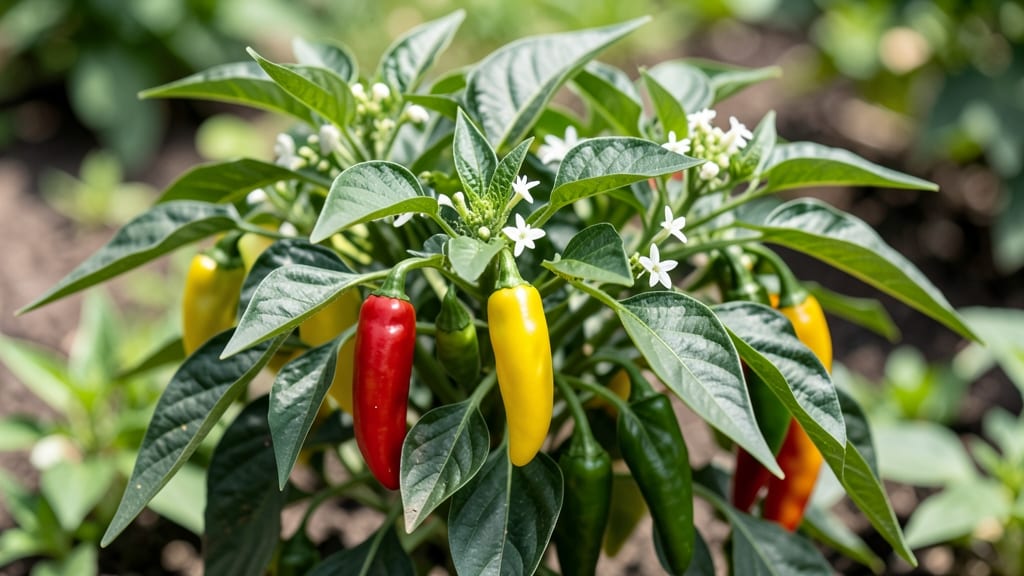
Deer have an instinctive aversion to the burning sensation caused by capsaicin, which triggers pain receptors in their mouths. 🔥 This chemical compound becomes more concentrated as peppers mature, making older plants far more effective at keeping deer away.
I’ve seen firsthand how deer will avoid even the edges of a well-established hot pepper patch, especially when varieties like habaneros or ghost peppers are planted.
What’s interesting is that this deterrent effect works best when peppers are allowed to fully ripen. The deeper red or orange colors signal higher capsaicin levels, which deer can sense even before making contact.
For gardeners, this means patience pays off—waiting for peppers to reach full maturity before expecting full protection from deer browsing.
💡 In This Article
- How Capsaicin Deters Deer from Hot Pepper Plants
- Best Hot Pepper Varieties to Repel Deer in Gardens
How capsaicin deters deer from hot pepper plants
Capsaicin, the compound responsible for the fiery kick in hot peppers, works as a natural deterrent by binding to the TRPV1 receptors in mammals—including deer. These receptors, normally activated by heat or physical irritation, send pain signals to the brain when capsaicin attaches.
For deer, even a small taste triggers an immediate, unpleasant sensation that makes them associate peppers with discomfort. This chemical defense becomes more potent as peppers mature, with capsaicin concentrations increasing up to 100 times from flower to ripe fruit. 🔥
The heat level in peppers, measured on the Scoville scale, directly correlates with deer avoidance. For example, a mild jalapeño (2,500-8,000 SHU) might tempt curious deer, while a habanero (100,000-350,000 SHU) or ghost pepper (800,000-1,041,427 SHU) acts as a strong deterrent.
The scent alone—released through volatile oils—can signal danger to deer before they even make contact, thanks to their highly sensitive olfactory system.
Plant maturity plays a critical role in deterrence. Young pepper plants, still developing capsaicin, may attract nibbling, but as they grow, the increasing heat levels create an effective barrier. Deer also learn through experience: a single unpleasant encounter with a hot pepper can make them avoid the entire garden area.
This learned behavior is why established pepper patches often become "no-go zones" for deer over time. 🌱
Interestingly, deer aren't the only wildlife deterred by capsaicin. Rabbits, squirrels, and even some insects avoid hot peppers, making them a versatile natural repellent. The compound's effectiveness extends beyond taste—when crushed or damaged, peppers release capsaicin into the air, creating a sensory warning zone that deer instinctively avoid.
This dual-action mechanism (taste + scent) makes hot peppers one of the most reliable plant-based deterrents for gardeners.
For maximum protection, focus on planting varieties with high Scoville ratings and allowing them to reach full maturity. The deeper the color (red, orange, or purple), the higher the capsaicin concentration, and the stronger the deterrent effect.
Even a few well-placed hot pepper plants can create a natural barrier that keeps deer browsing at bay. 🌶️