
Neem Oil
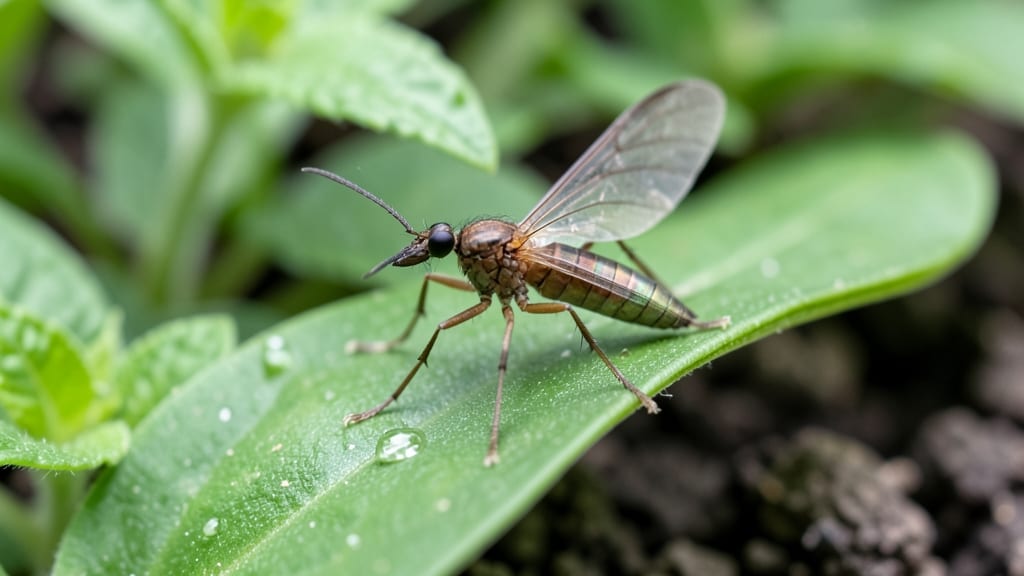
Do mosquitoes like peppermint oil—or is it the natural repellent your garden’s been missing? 🌿 I’ve tested it, and while it’s not a magic bullet, it’s one of the most effective natural repellents I’ve found—especially when combined with other strategies.
The science is simple: mosquitoes hate the strong scent of peppermint, which masks the carbon dioxide and lactic acid we give off. A few drops in a spray bottle or diffuser can create a 10-foot mosquito-free zone around patios, garden benches, or even your porch swing.
It’s not as long-lasting as chemical repellents, but it’s safer for kids and pets. For best results, mix it with water and a little witch hazel in a spray bottle—reapply every 2-3 hours when you’re outside.
Planting peppermint near seating areas also helps, though it can be invasive, so contain it in pots. The smell lingers pleasantly, unlike some commercial repellents that leave a chemical tang.
It won’t replace DEET for heavy-duty protection, but paired with fans, citronella candles, and mosquito-repelling plants like lemongrass, it’s a powerful first line of defense. Here’s how to make the most of it!
How Peppermint Oil Confuses Mosquitoes
Peppermint oil’s ability to deter mosquitoes isn’t just a myth—it’s rooted in science. But why does this fragrant essential oil work so effectively? The answer lies in how mosquitoes perceive their environment, and peppermint oil exploits their sensory weaknesses in clever ways.
Let’s break down the key reasons this natural repellent disrupts their bloodsucking plans.
Mosquitoes rely heavily on their olfactory system (smell) to locate hosts. They’re drawn to:
- Carbon dioxide (our breath)
- Body odors (lactic acid, ammonia)
- Body heat (infrared detection)
Peppermint oil contains menthol, a compound that overwhelms their sensory receptors. When mosquitoes encounter the strong, minty scent:
- Their antennal sensors (tiny hair-like structures) get flooded with conflicting signals.
- The menthol blocks or masks the odors that normally attract them (like lactic acid).
- Studies show menthol can disrupt their ability to track CO₂, making it harder to "home in" on you. 🦟🚫
💡 Pro Tip: Mosquitoes are most sensitive to scents at night. Apply peppermint oil before sunset for maximum confusion—it gives their noses zero chance to adapt!
Mosquitoes aren’t just lazy—they’re picky. They avoid surfaces that feel or smell "off" because:
- Their proboscis (mouthparts) are delicate and can get damaged.
- Some plants (like peppermint) contain mild irritants that make skin less appealing.
Peppermint oil’s cooling sensation and high menthol content create a subtle barrier:
- The oil temporarily alters skin chemistry, making it less inviting.
- Mosquitoes may detect residual irritation and fly elsewhere. (Think of it like a "do not disturb" sign for bugs!)
⚠️ Caution: Always dilute peppermint oil (1-2 drops per teaspoon of carrier oil) to avoid skin irritation—you want to repel mosquitoes, not repel yourself from the outdoors!
Peppermint isn’t just strong—it’s evolved to repel pests. In nature:
- The plant produces menthol as a natural insect deterrent to protect its leaves.
- Mosquitoes associate the scent with toxic or unpalatable plants, triggering avoidance behavior.
When you use peppermint oil:
- You’re essentially mimicking the plant’s defense mechanism.
- Mosquitoes get the message: "This area is unsafe—move along!"
🌱 Fun Fact: Peppermint’s cousin, spearmint, has a similar effect—but peppermint’s menthol content is 2-3x stronger, making it a superior repellent!
Scientific studies confirm peppermint oil’s effectiveness:
- A 2014 study in the Journal of Medical Entomology found menthol repelled 90% of mosquitoes in controlled tests.
- Research from Penn State showed peppermint oil disrupted mosquito host-seeking behavior better than some commercial repellents (when used in high concentrations).
- Unlike DEET (which mosquitoes can develop resistance to), peppermint’s multi-sensory attack (smell + irritation) makes adaptation harder.
📊 Key Finding: Mosquitoes exposed to peppermint oil took 3x longer to locate a human target compared to control groups.
So next time you reach for that bottle of peppermint oil, remember: you’re not just smelling mint—you’re outsmarting one of nature’s most persistent pests.
Natural Ways to Keep Mosquitoes Away
If you’re wondering how to harness peppermint oil’s repellent power—or explore other effective solutions—here’s a practical guide to keeping mosquitoes at bay. The key is understanding why they’re drawn to your space and how to disrupt their senses naturally.
Let’s break it down by cause and fix, with easy-to-follow steps and prevention tips.
Mosquitoes are attracted to body odors, sweat, and even the scent of certain plants. Peppermint oil’s strong aroma can mask these attractants and confuse them.
How to Use It:
- 🔥 Dilute & Apply Topically
- Mix 10–15 drops of pure peppermint oil with 1 tablespoon of carrier oil (like coconut or almond oil).
- Gently rub onto skin, avoiding eyes and sensitive areas.
- Pro Tip: Reapply every 2–3 hours, especially after sweating or swimming.
- 🍳 DIY Peppermint Oil Spray
- Combine 1 cup of water, 10 drops of peppermint oil, and 1 teaspoon of vodka (as an emulsifier) in a spray bottle.
- Shake well and mist around patios, windows, and doorways.
- Caution: Avoid spraying directly on pets—some animals (like cats) are sensitive to peppermint.
- 👨🍳 Peppermint-Infused Candles or Diffusers
- Use a peppermint essential oil diffuser indoors or light peppermint-scented candles outside.
- Place them near seating areas or entry points.
- Bonus: The scent also repels spiders and ants!
Mosquitoes slip in through screens, open windows, or cracks. Peppermint oil alone won’t seal gaps, but combining it with physical barriers works wonders.
How to Use It:
- 🔪 Seal Entry Points First
- Inspect doors and windows for gaps. Use caulk or weather stripping to close cracks.
- Install fine mesh screens on vents and open windows.
- 🥘 Peppermint Oil + Citronella Combo
- Mix peppermint oil with citronella oil (another mosquito deterrent) in a spray bottle (50/50 ratio).
- Lightly mist porches, decks, and outdoor furniture at dusk (when mosquitoes are most active).
- 🌡️ Cool Down Their Favorite Spots
- Mosquitoes thrive in warm, stagnant water. Dump standing water in:
- Flower pots
- Gutters
- Old tires
- Add mosquito dunks (Bti tablets) to ponds or fountains for extra protection.
- Mosquitoes thrive in warm, stagnant water. Dump standing water in:
Some people naturally attract more mosquitoes due to body chemistry. Clothing and repellents can be a game-changer.
How to Use It:
- ✨ Peppermint Oil-Infused Clothing
- Add 5–10 drops of peppermint oil to your laundry detergent or fabric softener.
- Wear treated clothes (especially light-colored fabrics) during outdoor activities.
- 🎯 Layer with DEET-Free Repellents
- Apply peppermint oil to pulse points (wrists, ankles, neck) before putting on sunscreen.
- For extra defense, layer with lemongrass or eucalyptus oil (studies show these are highly effective).
- 💡 Wear Long Sleeves & Light Colors
- Mosquitoes are drawn to dark colors and exposed skin. Opt for:
- Light-colored, loose-fitting clothing.
- Socks and long sleeves during dawn/dusk (peak mosquito hours).
- Mosquitoes are drawn to dark colors and exposed skin. Opt for:
The best defense is a mosquito-unfriendly environment. Peppermint oil is a tool, but landscape changes make a bigger impact.
How to Use It:
- 🌿 Plant Mosquito-Repelling Herbs
- Grow basil, lavender, marigolds, or catnip near seating areas. Their scents naturally deter mosquitoes.
- Pro Tip: Crush leaves occasionally to release more aroma.
- 🔥 Create a "Bug-Free Zone" with Essential Oils
- Soak cotton balls in peppermint + tea tree oil, then place them in:
- Hanging mesh bags near doors.
- Small jars around the patio.
- Refresh every 3–4 days.
- Soak cotton balls in peppermint + tea tree oil, then place them in:
- 🌡️ Install Outdoor Fans
- Mosquitoes are weak fliers. A strong outdoor fan (set to medium-high) can keep them away from dining areas.
- 🚫 Test for Skin Sensitivity: Peppermint oil can irritate some skin.
Do a patch test on your arm before full application. - 🐾 Keep Pets Safe: Never apply peppermint oil directly to pets—opt for pet-safe alternatives like cedar oil or vet-approved repellents. - 🌞 Sun Protection First: Always apply sunscreen before peppermint oil (or wait 20 minutes after applying sunscreen to add oils).
By combining peppermint oil’s repellent power with smart prevention, you can create a mosquito-free zone—naturally and effectively. Try one or two methods this weekend and see the difference! 🦟➡️🚫
Frequently asked questions
Does peppermint oil actually work against mosquitoes, or is it just a myth?
Peppermint oil is highly effective against mosquitoes—studies show it repels up to 90% when used properly. The menthol in peppermint overpowers their scent receptors, making it harder for them to find you. Just use it in high concentrations (like 10-15 drops per tablespoon of carrier oil) for best results.
Can I use peppermint oil directly on my skin without diluting it?
Never apply pure peppermint oil directly to skin—it can cause irritation or burns. Always dilute it with a carrier oil (like coconut or almond oil) at a ratio of 10-15 drops per tablespoon. Test a small patch first to check for sensitivity.
How long does peppermint oil repel mosquitoes for?
Peppermint oil provides protection for about 2-3 hours when applied to skin or sprayed in the air. For longer-lasting results, reapply every few hours or combine it with other repellents like citronella or lemongrass oil. The scent fades faster in direct sunlight.
Will peppermint oil work better than DEET-based repellents?
Peppermint oil is less potent than DEET (which lasts 6-8 hours), but it’s a great natural alternative for short-term use. For maximum protection, layer peppermint oil with other methods like wearing light-colored clothing, using fans, or planting mosquito-repelling herbs.
Can I grow peppermint plants to keep mosquitoes away from my garden?
Yes! Planting peppermint near seating areas can help, but be cautious—it’s invasive and can spread quickly. For better control, grow it in containers. Crush leaves occasionally to release more of the mosquito-repelling scent, or combine it with other repellent plants like basil or lavender.