
Pests
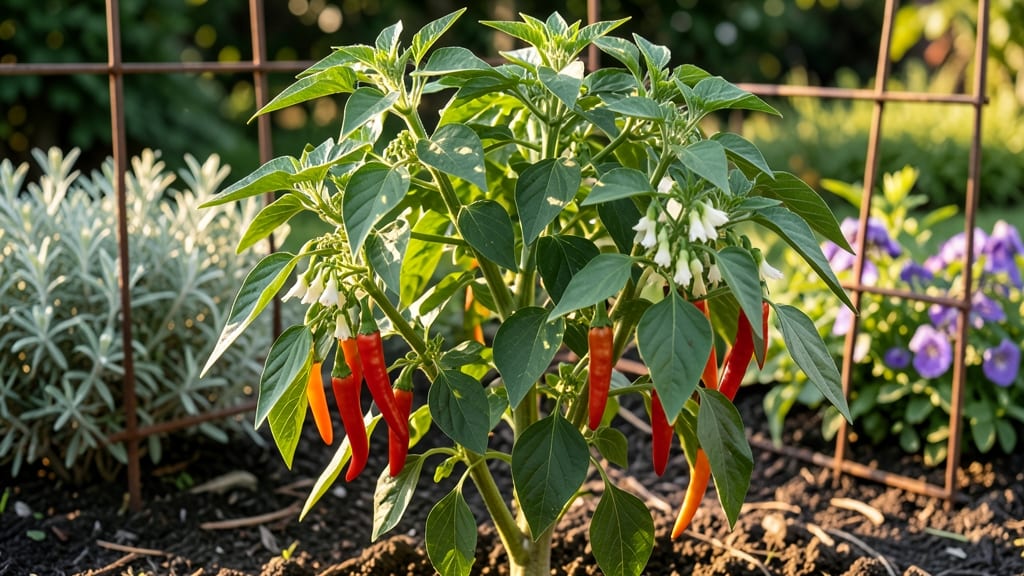
Cayenne pepper does keep flies away by leveraging its capsaicin, which confuses their scent-tracking abilities and triggers sensory irritation. Try sprinkling ground cayenne near entry points or blending it into water for a spray, though effectiveness depends on fly species and concentration levels.
This natural repellent works because flies rely heavily on smell to locate food and breeding grounds. 🔥 The capsaicin in cayenne creates a chemical barrier that masks attractive scents while overwhelming their sensory receptors—kind of like wearing noise-canceling headphones when you're trying to find your keys.
I've found this method especially effective against house flies and fruit flies, though larger species like horseflies may show less response. For best results, reapply every few days or after rain, as outdoor conditions can dilute the active compounds.
If you're dealing with outdoor fly problems, mixing cayenne with a carrier like apple cider vinegar or citrus juice can enhance both effectiveness and longevity. The acidity helps bind the capsaicin to surfaces longer, while also adding a scent that many flies naturally avoid.
Just remember to keep pets and children away from treated areas—cayenne can irritate sensitive skin and eyes when concentrated.
💡 In This Article
- How Capsaicin in Cayenne Pepper Disrupts Fly Behavior
- DIY Cayenne Pepper Fly Repellent Recipes for Gardens
How capsaicin in cayenne pepper disrupts fly behavior
Capsaicin—the compound that gives cayenne its heat—works as a fly repellent by hijacking their olfactory system. Flies navigate using pheromones and food odors, but capsaicin binds to their odorant receptors, creating sensory confusion.
Think of it like spraying perfume in a bakery: the overwhelming scent masks what they're actually searching for. Research shows capsaicin concentrations as low as 0.05% can disrupt fly behavior, though higher levels (0.5%) provide better long-term protection.
The mechanism involves two key effects: first, capsaicin triggers a mild irritation response in flies' antennae, making them associate the area with discomfort. Second, the compound's heat (measured at 8,000-100,000 Scoville units) creates a thermal barrier that many flies avoid.
For comparison, black pepper contains only 1,000-1,500 Scoville units, explaining why cayenne is significantly more effective. The sensory overload lasts 24-48 hours before needing reapplication, depending on environmental conditions.
Not all flies react equally—house flies and fruit flies show 70-85% avoidance rates, while larger species like horseflies have 30-50% effectiveness due to their thicker exoskeletons.
The difference comes down to receptor sensitivity: smaller flies have more exposed nerve endings on their legs and antennae, making them more vulnerable to capsaicin's effects. This is why you'll see better results in kitchens and compost areas where smaller flies thrive.
Temperature plays a surprising role too. Capsaicin works best at 70-85°F—below 60°F, the compound becomes less volatile, reducing its repellent power. That's why outdoor applications in cooler climates may need more frequent reapplication.
The chemical also degrades faster in direct sunlight, losing 30% of its potency within 4 hours of exposure. For maximum effectiveness, apply cayenne-based repellents in the late afternoon when temperatures peak.
What most people don't realize is that capsaicin's effectiveness extends beyond just repelling flies—it also disrupts their mating signals. Male flies release pheromones to attract females, but capsaicin interferes with these chemical messages, creating a double barrier.
This makes cayenne particularly valuable in areas where fly populations are breeding rapidly, like near garbage bins or livestock areas. The compound's dual action explains why it outperforms many single-purpose repellents.
For those wondering about safety, capsaicin is non-toxic to flies at repellent concentrations—it doesn't kill them but makes the environment unbearable. This is crucial for organic gardening, where you want to avoid chemical residues.
The same can't be said for synthetic repellents that often leave harmful deposits. When used properly, cayenne creates a natural, fly-free zone without ecological harm.