
Size
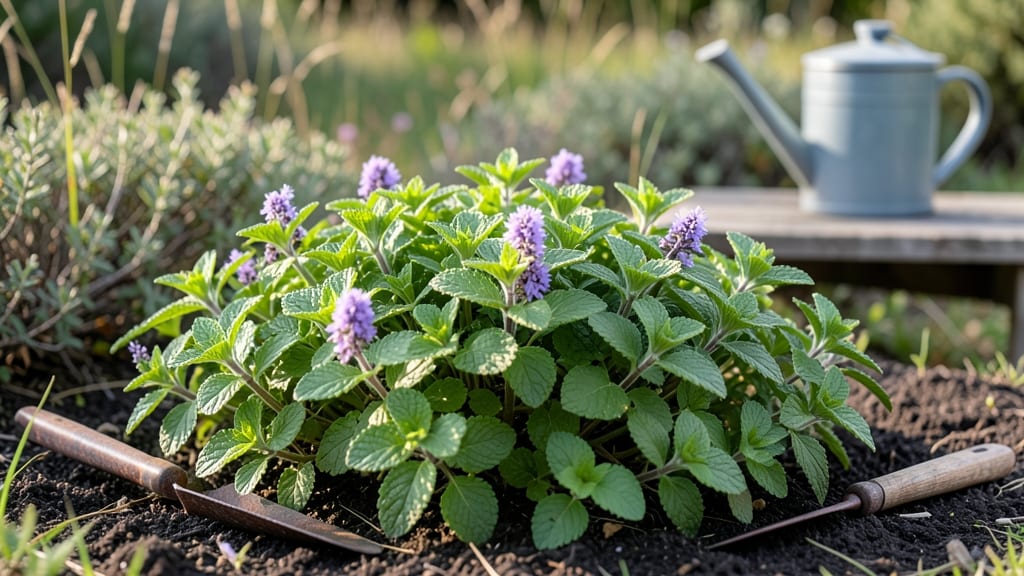
Peppermint does grow back every year as a hardy perennial, returning annually in USDA zones 3–9 when given consistent moisture and well-drained soil. Its expansive underground rhizomes ensure persistent regrowth unless actively managed.
This perennial herb thrives because its extensive root system stores nutrients underground, allowing it to push through soil each spring. 🌱 In colder climates, peppermint enters dormancy but survives winter with a protective layer of mulch.
The key to annual regrowth lies in maintaining healthy soil—adding compost annually helps sustain its vigor, while proper pruning prevents overcrowding that could weaken new shoots.
What many gardeners don't realize is that peppermint's aggressive spread isn't just a nuisance—it's also a survival strategy. The plant's ability to regenerate from even small root fragments means it can bounce back from accidental damage or partial dieback.
For best results, divide mature plants every 2-3 years to refresh growth and prevent the bed from becoming too dense.
💡 In This Article
- Peppermint’s Perennial Growth Cycle Explained
- How to Maintain Peppermint’s Annual Regrowth
Peppermint’s perennial growth cycle explained
Peppermint’s ability to return year after year stems from its specialized underground structure called rhizomes. These horizontal, thickened stems store carbohydrates and nutrients, allowing the plant to regenerate above ground even after the top growth dies back.
Unlike annuals that complete their life cycle in one season, peppermint’s rhizomes remain dormant in winter but stay alive, ready to sprout when temperatures rise above 50°F in spring. 🌱
The plant’s hardiness in USDA zones 3–9 comes from its adaptability to temperature fluctuations. In colder climates (like zone 4), peppermint can tolerate brief drops to -20°F if protected by mulch, while in warmer zones (like 8–9), it thrives with consistent moisture.
The rhizomes act like a natural battery, converting stored sugars into energy for new shoots when conditions are favorable. This makes peppermint one of the most resilient herbs in temperate gardens.
What’s fascinating is how peppermint’s growth cycle mirrors its wild relatives. In nature, plants like spearmint and watermint (its close cousins) rely on similar rhizome systems to spread and persist. However, peppermint’s hybrid vigor—resulting from a cross between watermint and spearmint—gives it an extra edge in competitive environments.
Its roots can spread 3–4 feet per year if unchecked, creating dense patches that outcompete weaker plants. 💛
Seasonal dormancy plays a crucial role in peppermint’s survival. During winter, above-ground growth stops, but the rhizomes remain metabolically active, slowly breaking down stored starches. This process ensures the plant has energy reserves ready for spring’s first flush of growth.
In contrast, annual herbs like basil or cilantro must be replanted each year because they lack this underground storage mechanism. Peppermint’s perennial nature means gardeners can enjoy its minty aroma and culinary uses without annual replanting.
Temperature thresholds also determine peppermint’s growth patterns. While it can survive brief cold snaps, prolonged exposure to below 0°F without protection may damage the rhizomes, especially in zone 3. Here, gardeners often use 6–8 inches of mulch (like straw or shredded leaves) to insulate the roots.
In warmer zones, the challenge shifts to preventing the plant from becoming too vigorous—its rapid spread can quickly turn a small patch into an unmanageable jungle. ✨
One often-overlooked factor is how peppermint’s growth cycle interacts with its surroundings. The plant’s aggressive spread isn’t just about survival—it’s also a response to environmental cues. When daylight hours lengthen in spring, the rhizomes detect the change and begin pushing new shoots upward.
This photoperiod sensitivity ensures peppermint grows when conditions are optimal for photosynthesis. Understanding this natural rhythm helps gardeners time their care routines effectively, from pruning to fertilizing.
For those curious about the science, peppermint’s perennial habit is governed by a combination of genetic and environmental factors. The plant’s ability to regenerate from small root fragments (even a 2-inch piece) makes it nearly indestructible in ideal conditions.
This trait explains why peppermint often escapes garden boundaries, popping up in lawns or neighboring flower beds. While frustrating for some, it’s a testament to the plant’s evolutionary success as a hardy survivor. 🌿