
Picking
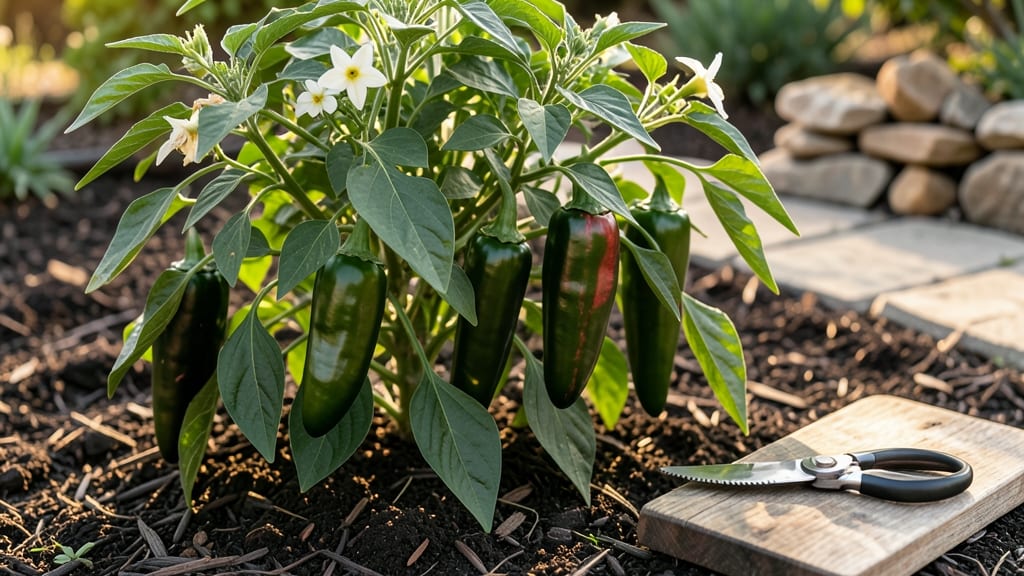
Picking a Giant Marconi pepper 🌶️ at the right moment transforms it from a garden curiosity into a flavor powerhouse—here’s exactly when to look for those telltale signs.
If you’ve ever bitten into a pepper that’s still too green or left it on the vine too long until it wrinkles, you know the difference ripeness makes. These Italian heirlooms shift through three distinct color phases, each with its own sweetness and texture profile.
Below, I’ll break down the three ripeness stages by color, how to test firmness and glossiness, and when to harvest for raw eating versus cooking. No more guesswork—just perfect peppers every time.
You’ll also learn how climate affects ripening speed and why picking at the right moment keeps your plants producing longer. Let’s get started.


Giant Marconi pepper ripeness by color: the 3-Stage harvest guide
Giant Marconi peppers are one of the most rewarding heirlooms to grow, but knowing when to pick them can make all the difference in flavor and texture. Unlike many peppers that stay green, these beauties transition through three vibrant color stages, each offering unique culinary potential.
From grassy green to sweet yellow, and finally to rich red, each phase signals a different harvest window that aligns with your cooking plans.
Understanding these color cues helps you avoid common mistakes like harvesting too early (when peppers are still tough) or too late (when they lose crispness). The climate where you garden also plays a role—warmer regions may see faster transitions, while cooler areas might extend each stage.
Let’s break down what to look for at every phase so you can harvest at peak perfection.
| Stage | Color | Size | Flavor Profile | Texture | Best For |
|---|---|---|---|---|---|
| Green | Deep glossy green | 6-10 inches | Grassy, slightly bitter, mild heat | Firm, thick skin | Pickling, stir-fries, cooking |
| Yellow | Bright golden-yellow | 8-12 inches | Sweet, fruity, mild heat | Slightly softer, glossy | Raw eating, salads, roasting |
| Red | Deep red-orange | 10-14 inches | Rich, sweet, smoky depth | Firm but tender, wrinkle-free | Drying, sauces, fresh eating |
The green stage is where Giant Marconi peppers start their journey, typically appearing around 120 days after transplanting. At this point, they’re firm with thick skin and a grassy, slightly bitter taste that works well for pickling or cooking.
Many gardeners harvest here if they’re short on time, but the flavor improves dramatically as they ripen. In cooler climates, this stage may last longer—sometimes stretching into early fall.
As temperatures rise, your peppers will begin transitioning to yellow, a phase that signals a sweeter, fruitier flavor with just a hint of heat. This stage usually arrives around 140-150 days and is ideal for raw eating or roasting.
The skin becomes slightly softer and more glossy, making it easier to spot. If you’re in a hot, dry climate, this transition can happen faster—sometimes in as little as 2 weeks—so keep an eye on your plants.
The final stage, red, is where Giant Marconi peppers reach their peak sweetness and complexity. By this point, they’ve developed a deep, smoky flavor that’s perfect for drying or making sauces.
The skin remains firm but develops a slight sheen, and the peppers often grow to their largest size—sometimes exceeding 12 inches in length. In regions with shorter growing seasons, this stage might not be achievable, so prioritize harvesting at yellow if needed.
Climate plays a huge role in how quickly these color changes occur. In USDA Zone 9 or warmer, peppers may go from green to red in just 6-8 weeks, while in Zone 7 or cooler, the transition might take twice as long.
If you notice peppers lingering in one stage, check for adequate sunlight (6+ hours daily) and consistent moisture—both are critical for smooth ripening.
One common mistake is waiting too long for full red ripeness, which can lead to wrinkled, overripe peppers with diminished flavor. Always harvest when the color is even and vibrant, and the skin resists gentle pressure.
For the best results, use sharp pruning shears to cut the stem, leaving a small portion attached to the plant. This encourages more peppers to develop and reduces the risk of disease.
If you’re growing Giant Marconi peppers in containers or raised beds, keep in mind that root space can limit size and ripening speed. In these cases, focus on harvesting at the yellow stage for the best balance of flavor and yield.
For in-ground plants, you’ll have more room for full ripening, but always monitor for pests like aphids or spider mites, which can stress the plant and slow color changes.
Pro tip: Take photos of your peppers at each stage to track progress and compare flavors. You’ll quickly learn what works best for your climate and cooking style. Whether you prefer them green, yellow, or red, Giant Marconi peppers reward patience with unforgettable taste—just don’t wait too long!
How to test ripeness beyond color: touch, smell, and size checks
Color alone isn't always the best indicator for Giant Marconi peppers. These heirlooms can trick you with uneven ripening, especially in hotter climates where color deepens faster than flavor develops. To avoid disappointment, I rely on three sensory tests: firmness, scent, and size.
These methods help me determine when peppers are truly ready to harvest for peak sweetness and texture.
Start with the firmness test—press gently on the pepper's shoulder. A ripe Giant Marconi should feel dense and slightly springy, like a well-inflated balloon. If it yields under pressure or feels mushy, it's past its prime.
I also check the stem: twist gently—if it separates cleanly with a slight pop, that's your cue to harvest. This method works best in the morning when peppers are cool and firmest.
Next, trust your nose. A ripe Giant Marconi pepper emits a sweet, earthy aroma when fully mature. Hold it near your face and take a deep sniff—you should detect hints of caramel and tropical fruit.
If it smells bland or slightly fermented, it's overripe. This scent test becomes especially useful when peppers are still greenish-yellow but nearly ready to transition to red.
🌶️ Size matters too—aim for peppers that reach 8-12 inches long and 3-5 inches wide. These dimensions indicate the pepper has had enough time to develop its signature thick walls and sweet flesh.
I measure mine against a ruler or compare them to my hand span—if they're wider than my palm, they're likely ready. Smaller peppers (under 6 inches) often lack the full flavor potential of their mature counterparts.
⚠️ Over-Ripeness Warning: Giant Marconi Peppers
Watch for these over-ripening signs that ruin flavor and texture:
- Wrinkled skin (like crumpled paper)
- Soft spots when pressed
- Fermented smell (like overripe fruit)
- Seeds turning black inside
Harvest 2-3 days before these appear to preserve sweetness. In hot summers, check peppers every 3 days—they ripen faster when temps exceed 90°F.
Adjust your harvesting frequency based on your plant's productivity. High-yielding plants may produce 10-15 peppers per season, while others might only give you 3-5. I harvest mine weekly during peak season (August-September) to encourage more production.
If you notice peppers staying small or green, they may need more sunlight or nutrients. A quick soil test can reveal if your plants are nitrogen-deficient, which stunts growth.
For container growers, size checks are especially critical since space limits pepper development. If your Giant Marconi stays under 6 inches in containers, it likely won't reach full maturity.
In this case, harvest when the color is 75% deep and the scent is noticeably sweet—you'll still get good flavor, just with slightly thinner walls. Always use pruning shears to avoid damaging the plant when harvesting.
Remember, the earlier you harvest, the more peppers your plant will produce. But don't rush—wait until you've confirmed all three ripeness tests (touch, smell, and size) for the best results.
With practice, you'll develop an instinct for knowing exactly when your Giant Marconi peppers are ready to shine in your kitchen—whether you're stuffing them, roasting them whole, or preserving them for winter.