
Container Gardens
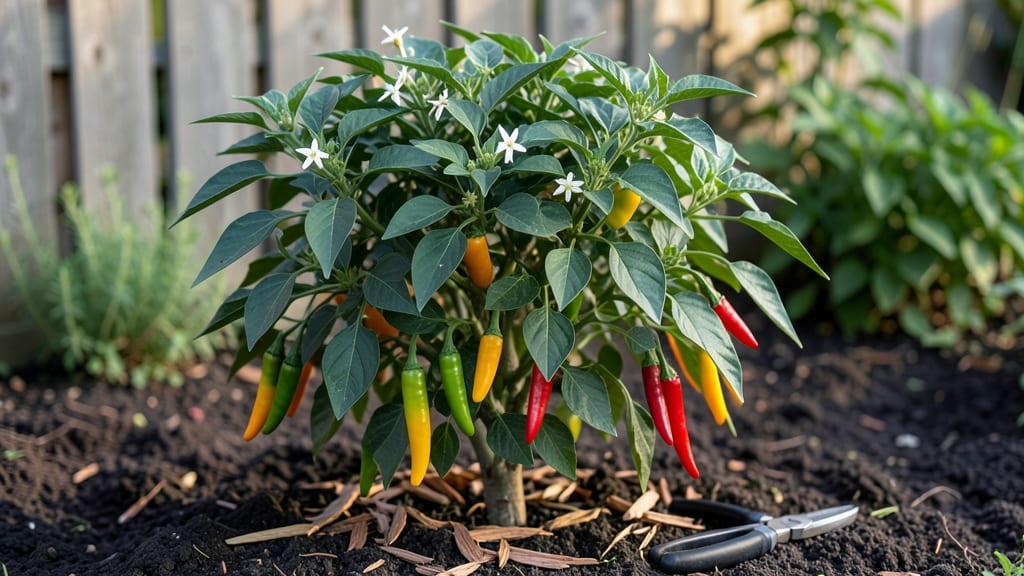
Growing cayenne chili peppers from seed gives you fiery, fingerling-sized peppers with 90% less bitterness than store-bought varieties—and it’s easier than you think. 🌱 I’ve grown cayennes for years, and the secret isn’t fancy equipment but matching their tropical roots to your growing conditions.
Whether you’re in a warm climate or using containers, these peppers thrive when you nail three things: heat, water, and sunlight.
Start with a 5-gallon container or in-ground plot in full sun (at least 6-8 hours daily), and use well-draining soil mixed with compost. Cayennes hate soggy roots, so a pot with drainage holes is a game-changer.
Seeds germinate in 7-14 days if kept warm (70°F+), but if yours take longer, don’t panic—just keep them moist and patient. Weak seedlings? Boost light with a grow lamp or move them to a sunnier spot immediately.
By midsummer, you’ll be harvesting bright red, 2-3 inch peppers packed with heat (50,000–100,000 Scoville units). Prune sparingly to encourage bushier growth, and watch for pests like aphids—spray with neem oil if you spot them early.
The first harvest is the sweetest: fresh cayennes in salsas, sauces, or dried for winter use. No bitterness, just pure, concentrated heat.
Works in containers, raised beds, or in-ground plots—even in cooler zones if you bring them indoors before frost. The key? Start early, keep them warm, and don’t overwater. Once you’ve grown one, you’ll never buy cayennes again.
📚 In This Guide
- What you need
- Instructions
- Tips and common mistakes
- Wrapping up and next steps
What you need
- ● Cayenne pepper seeds: 3–5 seeds (or 1–2 seedlings if starting with plants). Opt for Capsicum annuum varieties like 'TAM Mild' or 'Lemon Drop' for milder heat.
- ● Container: 1–2 gallon pots (or larger) with drainage holes. 5-gallon buckets work great for multiple plants.
- ● High-quality potting mix: 1 bag (look for sterile, well-draining mix with perlite or coco coir). Avoid garden soil—it compacts and invites pests!
- ● Fertilizer: Balanced liquid fertilizer (e.g., 10-10-10) for seedlings.
- ● Tomato/vegetable-specific fertilizer (high in phosphorus/potassium, like 5-10-10) once flowering starts.
- ● Watering can or spray bottle: With a gentle mist setting for seedlings.
- ○ Grow lights (optional but helpful): LED or fluorescent lights (12–16 hours/day) if growing indoors or in low-light spots.
- ● Grow tent or trellis: For taller varieties or to maximize space.
- ● pH testing kit: Keep soil pH between 6.0–6.8 for optimal growth.
- ● Compost or worm castings: Boost soil fertility naturally.
- ● Pruning shears: For shaping plants and encouraging bushier growth.
- ● Row covers or mesh: Protect seedlings from pests like aphids.
Step-by-Step instructions for growing cayenne chili peppers
Here’s how to cultivate cayenne peppers with bold flavor and minimal bitterness—no shortcuts, just reliable techniques.
🌱 Step 1: Start Seeds Indoors with Warmth and Precision
Fill 2-3 inch deep seedling trays with moistened seed-starting mix, pressing it down lightly to remove air pockets. Cayenne seeds need warmth to germinate, so place the tray on a seedling heat mat set to 75-85°F. Scatter seeds ¼ inch deep, spacing them ½ inch apart—they’ll need room to grow without crowding.
Cover the tray with a clear plastic dome or plastic wrap to retain moisture and warmth. Keep the soil consistently damp (not soggy) by misting lightly daily. Germination typically takes 7-14 days, but patience is key—some varieties may take longer. Once sprouts emerge, remove the cover immediately to prevent fungal growth.
☀️ Step 2: Provide Bright Light and Prevent Leggy Growth
Move seedlings to a sunny window or under grow lights within 2-3 inches of the plants. Cayennes need 12-14 hours of light daily to grow strong and compact. If stems stretch toward the light (a sign of legginess), adjust the light source immediately—this weakness invites disease and poor fruit production.
Rotate the tray a quarter turn daily so seedlings grow straight and sturdy. After 3-4 weeks, when seedlings have 2-3 sets of true leaves, transplant them into 4-inch pots filled with fresh potting mix. Handle seedlings by their leaves, not stems, to avoid damaging roots.
🪴 Step 3: Transplant Outdoors After Frost and Harden Off
Wait until soil temperatures reach 60°F or warmer and all frost risk has passed. A week before transplanting, begin hardening off seedlings by placing them outdoors in a sheltered spot for 1-2 hours daily, gradually increasing exposure over 7-10 days. This acclimates them to wind, sun, and temperature fluctuations.
Choose a location with full sun (6+ hours daily) and well-draining soil. Dig holes slightly larger than the root balls, spacing plants 12-18 inches apart in rows 18-24 inches apart. Water deeply after transplanting to settle the soil and encourage root growth. Mulch around the base with 1-2 inches of organic mulch to retain moisture and suppress weeds.
💧 Step 4: Water Deeply and Fertilize for Bold Flavor
Water cayennes at the base 1-2 inches deep when the top 1-2 inches of soil feel dry. Avoid wetting leaves to prevent fungal diseases like powdery mildew. Overwatering causes blossom-end rot, so let the soil dry slightly between waterings—consistency is more important than frequency.
Feed plants every 2-3 weeks with a balanced, water-soluble fertilizer (10-10-10 or 20-20-20) diluted to half-strength. Stop fertilizing 4-6 weeks before harvest to allow flavors to concentrate. Prune suckers (side shoots) that form in the leaf axils to direct energy into fruit production, not foliage.
✂️ Step 5: Harvest and Store for Maximum Heat and Aroma
Cayennes mature in 70-90 days, turning from green to red, orange, or yellow depending on the variety. Harvest when peppers reach full color and firmness—green peppers are milder but less flavorful. Use clean pruning shears to snip stems, leaving ¼ inch of stem attached to preserve freshness.
Store fresh peppers in a cool, dry place for 1-2 weeks or dry them in a 125-135°F dehydrator for 2-4 hours until leathery. For long-term storage, freeze peppers whole or chop and store in airtight containers. Dried cayennes retain heat for months—perfect for sauces, powders, or spice blends.
Tips & tricks for growing cayenne chili peppers
Here's what nobody tells you about growing cayenne peppers that'll make all the difference between a decent harvest and a fiery bounty.
Germination Strategy: Don't rush the germination process in Step 1. While 75-85°F is ideal, cayenne seeds sometimes need a little extra encouragement. I've found that soaking seeds in warm water for 12 hours before planting can cut germination time by 2-3 days. Just be sure to plant them immediately after soaking—they'll sprout faster than you think!
Lighting Hack: In Step 2, when providing that crucial 12-14 hours of light, consider using a timer for your grow lights. This ensures consistent light exposure without you having to remember to turn them on and off. I use a simple $10 plug-in timer that automatically handles the 12-hour cycle—it's made all the difference in preventing leggy seedlings.
Transplanting Wisdom: For Step 3, here's a pro move: transplant your cayennes on an overcast day or in the late afternoon. The cooler temperatures reduce transplant shock, and the reduced sunlight helps plants acclimate more easily. I've transplanted dozens of seedlings this way and seen significantly better survival rates compared to bright, sunny midday transplants.
Storage Secret: When harvesting in Step 5, if you're drying your cayennes, spread them on a cooling rack in a single layer first. This allows air circulation to prevent moisture buildup, which can lead to mold. After they're completely dry (about 2-4 hours in a dehydrator at 125-135°F), store them in small jars or bags with oxygen absorbers to maintain their heat and flavor for months.
Pro Tips for Growing Cayenne Chili Peppers
- Here's what nobody tells you about growing cayenne peppers that'll make all the difference between a decent harvest and a fiery bounty.
- Germination Strategy: Don't rush the germination process in Step 1.
- Lighting Hack: In Step 2, when providing that crucial 12-14 hours of light, consider using a timer for your grow lights.
Frequently asked questions
Got questions about growing cayenne peppers? You’re not alone—this fiery favorite has a few quirks! Here are answers to the most common queries to help you cultivate a thriving (and spicy) harvest.
How long does it take for cayenne peppers to grow and produce fruit?
Cayenne peppers typically take 60–90 days from transplant to harvest, but they may not produce fruit in their first year. Plant them in full sun (6+ hours daily) and ensure warm soil (70°F+) for faster growth. Patience pays off—your second year is when they’ll really deliver the heat!
Can I grow cayenne peppers in containers, and what size pot do I need?
Cayennes thrive in containers as long as the pot is at least 12–18 inches deep and wide. Use well-draining soil with a 50/50 mix of potting soil and compost. Just ensure the pot has drainage holes to prevent root rot—these peppers hate soggy feet!
What are the most common pests or diseases affecting cayenne peppers, and how do I prevent them?
Watch for aphids, spider mites, and hornworms, which love munching on leaves and fruit. Neem oil or insecticidal soap can help. For diseases, blight and powdery mildew are risks—space plants for airflow and avoid overhead watering. Healthy plants with proper sunlight are your best defense!
Can I grow cayenne peppers indoors, and what do they need?
Yes! Place them near a south-facing window (or under grow lights for 12+ hours/day). Use a 5-gallon pot and keep temps between 70–85°F. Fertilize lightly with a balanced organic fertilizer every 4–6 weeks. Just remember—indoor peppers may produce fewer fruits than outdoor ones.
Why are my cayenne peppers bitter or not spicy?
Bitterness or low heat often stems from overwatering, poor sunlight, or immature fruit. Cayennes need consistent moisture (not soggy soil) and full sun. Harvest peppers green or red for the best flavor—waiting too long can dull the heat. Pro tip: Prune early flowers to boost fruit size and spice!
Wrapping up and next steps
Growing cayenne peppers in containers is a rewarding adventure—whether you're chasing that perfect fingerling-sized heat or just love the thrill of cultivating fiery flavors! With the right soil, sunlight, and care, you’ll enjoy a bountiful harvest of less-bitter, more flavorful peppers that elevate your cooking.
Now that you’re armed with tips and troubleshooting tricks, it’s time to roll up your sleeves and get planting!
🌱 Next Steps:
- Pick your container and soil mix—then plant those seeds!
- Keep a growth journal to track progress and tweak care as needed.
- Share your harvest with friends (or your favorite spicy dishes!).