
Succulent
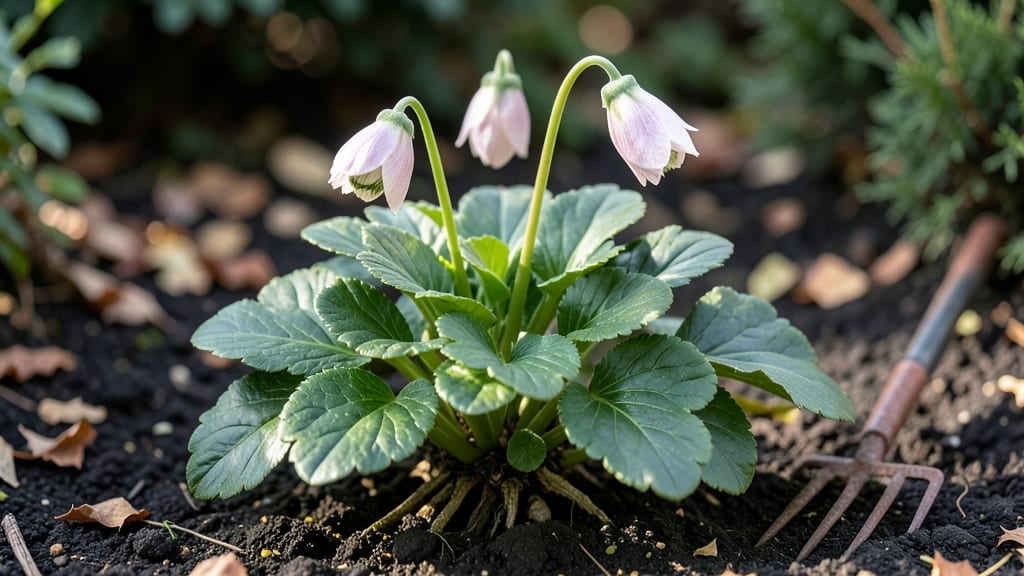
Growing Helleborus 'Peppermint Ice' transforms your garden into a cool-season showstopper with its silvery foliage and pale pink blooms. 🌿 I’ve trained mine up a sturdy trellis, and the vertical display adds drama to my winter garden—something most plants can’t do.
This isn’t just a pretty face; it’s a hardy perennial that thrives when others sleep. The secret lies in its love for shade and well-draining soil—think woodland conditions, not full sun. You’ll need a spot with morning light and afternoon shade, plus consistent moisture without soggy roots.
Once established, it’s nearly maintenance-free, rewarding you with fresh foliage and flowers from late winter through spring. What’s surprising is how well it handles pole training—even in small spaces. By summer, you’ll have a lush, fragrant vertical garden that keeps giving long after most plants have faded.
The silver leaves alone make it a standout, but the delicate blooms steal the show. For those with limited ground space, this is your answer. Just avoid overwatering and watch it flourish year after year—no fuss, just beauty.
📚 In This Guide
- What you need
- Instructions
- Tips and common mistakes
- Wrapping up and next steps
What you need
- ● Succulent plant: 1 x Helleborus "Peppermint Ice" (ensure it’s healthy and free of pests)
- ● Growing medium: 1 gallon of cactus/succulent mix (or 50% potting soil + 50% perlite/pumice for drainage)
- ● Container: 1 x 6-inch pot (with drainage holes) for seedlings
- ● 1 x 10-12 inch pot (for mature plants, if not pole-trained)
- ● Support structure: 1 x Bamboo stake or trellis (3-4 ft tall, sturdy enough to support 10+ lbs)
- ● OR 1 x Pole-training kit (with soft ties or Velcro straps)
- ● Fertilizer: 1 x Balanced liquid fertilizer (5-5-5 or 10-10-10, diluted to half-strength)
- ● Watering can or spray bottle (with a fine mist nozzle)
- ● Slow-release succulent fertilizer pellets (for convenience)
- ● Decorative garden twine or moss (to camouflage ties)
- ● Humidity tray or pebble tray (if your climate is dry)
- ● Plant labels (to track growth stages)
- ● Pruning shears (for shaping or propagation)
How to grow Helleborus 'Peppermint Ice' vertically for continuous mint harvests
This fragrant variety thrives when trained up a trellis—here's how to coax its cool, candy-like leaves year after year.
🌱 Step 1: Select the Perfect Pole and Planting Spot
Choose a 6-foot tall bamboo or metal trellis with 1-inch diameter poles—thick enough to support the plant's weight but thin enough to let light reach the lower leaves. Install it in partial shade (morning sun, afternoon shade) where temperatures stay between 60-75°F. The roots prefer well-draining soil mixed with 2 inches of compost—work it into the top 12 inches of soil to encourage deep rooting.
Dig a hole twice as wide as the root ball but only as deep as the container it came in. The crown (where roots meet stems) should sit just below soil level—burying it too deep suffocates the plant, while leaving it exposed invites rot. Water deeply right after planting to settle the soil around the roots.
☀️ Step 2: Train the Stems Early for Strong Vertical Growth
Once the plant reaches 6-8 inches tall, gently tie the main stem to the trellis with soft plant ties (never wire or zip ties—they cut into stems). I use muslin strips because they stretch as the plant grows without restricting it. Space ties every 12 inches up the pole to distribute weight evenly.
Pinch off the first set of leaves that form at the base of the plant—this redirects energy upward. You'll see new shoots emerge from the lower stem within 2-3 weeks. These lateral branches will produce the most flavorful leaves, so guide them horizontally along the trellis using small clips or bent wire loops.
💧 Step 3: Water and Fertilize for Lush, Fragrant Growth
Water once a week during the first growing season, aiming for 1 gallon per plant—enough to moisten the soil 12 inches deep. Let the top 2 inches of soil dry out between waterings to prevent root rot. In summer, increase to twice weekly if temperatures exceed 80°F, but always check for dry soil before watering.
Feed with a balanced 10-10-10 fertilizer every 6 weeks during the growing season (spring through fall). I mix 1 tablespoon into the top inch of soil around the base, then water deeply to distribute it. Stop fertilizing in winter—overfeeding in cool months burns roots. The leaves will develop their signature peppermint-scented aroma strongest when grown in cooler weather.
✂️ Step 4: Prune and Harvest for Year-Round Productivity
Harvest leaves in the morning after dew has dried but before the sun peaks—this preserves the highest essential oil content. Snip individual leaves with clean scissors, cutting just above a leaf node to encourage new growth. Never take more than one-third of the plant at a time, or you'll stunt its recovery.
After each harvest, trim back any leggy growth that stretches beyond the trellis. Use sharp pruners to cut just above a set of leaves, which prompts bushier regrowth. In late fall, reduce watering by half and remove any dead or yellowed leaves to keep the plant tidy for winter. The trellis system lets you harvest up to 4 times a year without sacrificing the plant's health.
⏰ Step 5: Winter Care for Next Year's Growth
Mulch the base with 3 inches of straw in late fall to insulate roots from freezing temperatures. This variety is hardy to Zone 4, but the mulch prevents heaving and protects the crown. Reduce watering to once every 3 weeks in winter unless temperatures drop below 20°F—then give it a light drink to prevent desiccation.
In early spring, remove the mulch and inspect the plant for dead stems or buds. Prune away any damage, then apply a slow-release fertilizer (like 10-10-10 pellets) around the base. You'll see new shoots emerge within 3-4 weeks, signaling it's ready for another growing season on the trellis.
Tips & tricks for pole-trained Helleborus 'Peppermint Ice'
Real talk: Vertical gardening with this cool mint takes patience—but these tricks will help you avoid common pitfalls and maximize your harvest.
Trellis Stability: If your trellis wobbles when you test it, drive the poles deeper into the ground or add diagonal support wires between poles. I learned this the hard way after watching a 6-foot trellis lean dangerously during a summer storm. The poles should be firmly anchored so they don't shift when you tie stems during Step 2.
Muslin Strips Hack: For the soft plant ties in Step 2, cut old cotton T-shirts into 12-inch strips—they work just as well as store-bought muslin and won't break down in damp conditions. Avoid plastic ties—they can girdle stems as the plant grows. I keep a stash of these strips in my gardening toolbox for quick adjustments.
Temperature Watch: The 60-75°F range in Step 1 is ideal, but if you're in a hotter climate, consider installing a shade cloth over the trellis during peak afternoon sun. I've seen 'Peppermint Ice' leaves scorch when temperatures climb above 85°F, even with morning shade. The candy-like aroma fades when leaves get stressed by heat—so keep those temps in check!
Fertilizer Timing: When you apply that 1 tablespoon of 10-10-10 fertilizer every 6 weeks, mix it with a handful of compost first. This creates a gentler nutrient release that won't burn roots. I've found that plants fertilized this way develop more robust stems for supporting their vertical growth, especially important when training in Step 2.
Pro Tips for Helleborus Peppermint Ice
- Real talk: Vertical gardening with this cool mint takes patience—but these tricks will help you avoid common pitfalls and maximize your harvest.
- Trellis Stability: If your trellis wobbles when you test it, drive the poles deeper into the ground or add diagonal support wires between poles.
- Muslin Strips Hack: For the soft plant ties in Step 2, cut old cotton T-shirts into 12-inch strips—they work just as well as store-bought muslin and won't break down in damp conditions.
Frequently asked questions
Got questions about growing Helleborus "Peppermint Ice"? You’re not alone! This striking succulent is a favorite for its cool mint hues and year-round appeal, but it does have some quirks. Below, we’ve rounded up the most common questions—and answers—to help you grow it like a pro.
How cold-hardy is Helleborus "Peppermint Ice"?
Helleborus "Peppermint Ice" is surprisingly tough! It thrives in USDA Zones 3-9, making it one of the hardiest succulents for cold climates. Just plant it in well-draining soil and avoid soggy roots—it can handle frost but despises wet feet. In extreme winter, a light mulch adds a protective layer.
Why isn’t my Peppermint Ice blooming?
Patience is key—this hellebore often waits 2-3 years before flowering! Ensure it gets bright, indirect light (like morning sun) and moderate water (let soil dry between waterings). Over-fertilizing or repotting too often can also delay blooms. If it’s still dormant, check for root rot or pest issues.
How often should I water Peppermint Ice?
Water sparingly—this drought-tolerant beauty prefers deep but infrequent waterings. In spring/fall, water every 2-3 weeks; in summer, reduce to once a month (or less if potted). Let the soil dry completely between sessions to prevent rot. A moisture meter helps avoid guesswork!
Can I grow Peppermint Ice indoors?
Place it near a sunny window (south or east-facing) for 4-6 hours of light daily. If leaves stretch or pale, it’s craving more light—supplement with a grow light 12-14 hours/day. Use a terracotta pot to prevent overwatering, and rotate it weekly for even growth.
What’s the best way to propagate Peppermint Ice?
Propagation is easiest via leaf cuttings or offsets. For leaves: Gently twist one off, let it callus for 2 days, then place on damp soil. For offsets: Separate them from the mother plant in spring, ensuring each has roots. Keep both in bright, indirect light and mist lightly until established. New plants may take 4-6 weeks to root!
What pests should I watch for?
Mealybugs and aphids are the main culprits. Wipe leaves with soapy water or spray with neem oil for mild infestations. For stubborn pests, isolate the plant and treat with insecticidal soap. Yellowing leaves or sticky residue? Act fast—these pests drain energy and stress your succulent.
Wrapping up and next steps
Growing Helleborus Peppermint Ice brings a refreshing twist to your garden with its cool minty charm and year-round appeal! Whether you're a seasoned gardener or just starting, this pole-trained succulent is a low-maintenance way to add vibrant color and texture to any space.
Ready to elevate your green thumb game? Start with a single cutting—your future minty masterpiece awaits! 🌿✨