
Picking
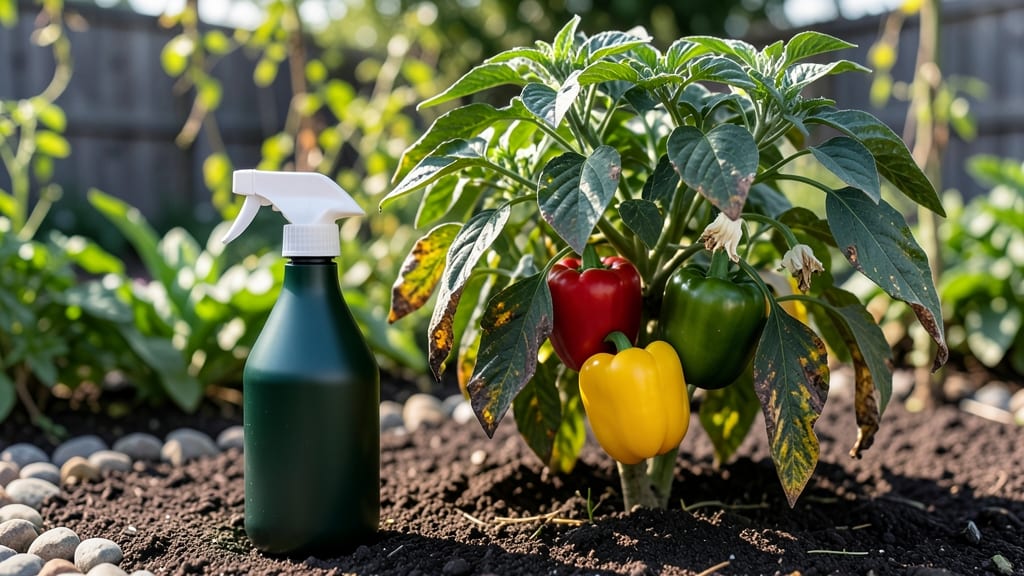
Your pepper plants look like they’ve been hit with a silent killer—yellowing leaves, stunted growth, and fruit that won’t ripen. 🌿 Herbicide damage isn’t always obvious until it’s too late, but there’s still hope.
I’ve nursed back damaged peppers by acting fast, and the key is knowing exactly what to do in those first critical hours after you spot the symptoms.
The damage usually comes from drift or leftover herbicide in the soil, and peppers are especially sensitive. You’ll see curled leaves, blackened stems, or fruit that develops weird spots—all signs the plant is struggling to recover on its own.
The good news? Flushing the soil with water, pruning affected areas, and switching to organic fertilizers can jumpstart recovery within 2-4 weeks if caught early.
What you’ll end up with is a plant that’s still salvageable, producing peppers that taste just as sweet as they did before the damage.
The leaves might stay a little rough around the edges, but with the right care, your peppers can bounce back stronger than ever—ready for a full harvest by late summer.
This works for any pepper variety, whether you’re growing bell peppers, jalapeños, or hot peppers in containers or garden beds. The secret is acting fast and giving your plants the space they need to heal. Let’s get them back on track!
📚 In This Guide
- What you need
- Instructions
- Tips and common mistakes
- Wrapping up and next steps
What you need
- ● Gloves (nitrile or rubber) – 1 pair (for safety while handling plants and chemicals).
- ● Pruning shears or sharp scissors – 1 pair (sterilized with rubbing alcohol).
- ● pH test kit (soil or water) – 1 kit (to check soil/water acidity).
- ● Organic compost or well-rotted manure – 5–10 gallons (for soil amendment).
- ● Activated charcoal (powdered or granular) – 1–2 lbs (helps detoxify soil).
- ● Mulch (straw, pine needles, or grass clippings) – 2–3 inches thick (to protect roots).
- ● Watering can or hose with a gentle spray nozzle – 1 (for hydration without stressing plants).
- ● Fertilizer (balanced organic, like 10-10-10 or fish emulsion) – 1–2 lbs (to replenish nutrients).
- ● Plastic sheeting or tarp – 1 (to cover soil if reapplying herbicides is a risk).
- ● Hydrogen peroxide (3%) – 1 bottle (diluted to 1 tsp/gallon for foliar spray).
- ● Beneficial microbes (mycorrhizal fungi or compost tea) – 1–2 gallons (boosts root health).
- ● Calcium supplements (e.g., crushed eggshells or lime) – 1 cup (if soil is acidic).
- ○ Plant growth regulator (like seaweed extract) – 1 bottle (optional for stress recovery).
- ● Camera or phone – 1 (to document damage before/after treatment).
How to revive peppers after herbicide exposure
Don’t toss those struggling peppers—here’s how to nurse them back to health with simple, effective care.
🌿 Step 1: Identify and Isolate the Damage
First, examine your peppers closely. Herbicide damage often shows as yellowing or browning leaves, stunted growth, or blackened stems. If only leaves are affected, the plant may recover. But if stems or roots are damaged, the pepper might not survive. Remove any severely affected plants immediately to prevent spreading potential toxins.
Check the soil for residue. If you recently applied herbicide nearby (even on weeds), wash the soil around the plants with clean water to dilute any remaining chemicals. Avoid using contaminated water from the hose—collect rainwater or use a separate water source instead.
💧 Step 2: Flush the System with Water and Nutrients
Give your peppers a deep drink of water to help flush out any lingering herbicide. Water the soil thoroughly until it drains from the bottom of the pot or container. Repeat this 2-3 times over 48 hours to ensure the roots get a full rinse. Avoid wetting the leaves directly—this can concentrate any residue.
After flushing, feed your peppers with a balanced, water-soluble fertilizer (like 10-10-10) diluted to half strength. This helps replenish nutrients lost from stress. Focus on potassium-rich fertilizers (like banana peel tea or compost tea) to support recovery. You’ll know it’s working when new growth appears within 7-10 days.
✂️ Step 3: Prune and Protect for Recovery
Trim any dead or severely damaged leaves with clean, sharp scissors. This redirects the plant’s energy to healthy growth instead of struggling to revive damaged parts. Avoid cutting more than 25% of the foliage at once—peppers are sensitive to heavy pruning. Focus on removing only the worst-affected areas.
Move your peppers to a shaded, sheltered spot for 3-5 days to reduce stress. If outdoors, use a light shade cloth (30-50% coverage) to protect them from harsh sunlight, which can worsen damage. Monitor daily for signs of improvement—new leaves should emerge within 2 weeks if the plant is recovering.
☀️ Step 4: Restore Ideal Growing Conditions
Once the peppers show signs of recovery, gradually reintroduce them to full sun over 3-4 days. Start with 2-3 hours of morning sun, then increase daily. Peppers need 6-8 hours of sunlight for optimal growth, but too much too soon can stress them further.
Keep the soil consistently moist but not soggy—herbicide-stressed plants are more prone to root rot. Water at the base of the plant in the morning to allow foliage to dry quickly. If you notice wilting or yellowing after recovery, adjust your watering or check for pests, which love stressed plants.
Tips & tricks for reviving herbicide-damaged peppers
Real talk: I've seen gardeners give up on peppers too soon after herbicide exposure. Here's what nobody tells you about saving your plants.
Visual Damage Assessment: In Step 1, pay close attention to the stems—not just leaves. If you see blackened or mushy stems, the plant is beyond saving. Healthy stems should be firm and green, not brittle or discolored. This is your critical first clue about whether the plant can recover.
Water Quality Matters: When flushing the system in Step 2, use rainwater or distilled water if possible. Tap water often contains chlorine and other chemicals that can further stress already damaged plants. If you must use tap water, let it sit out for 24 hours to allow chlorine to evaporate before using.
Fertilizer Timing Secret: After the 48-hour flushing period, wait at least 3 days before applying fertilizer. This gives the roots time to recover from the initial stress. I've seen gardeners rush this step and end up shocking the plants with too many nutrients too soon—don't make that mistake.
Pruning Precision: In Step 3, when trimming damaged leaves, make your cuts at a 45-degree angle just above a leaf node. This encourages new growth from that point. Avoid cutting into healthy tissue—you want to preserve as much of the plant's energy reserves as possible.
Pro Tips for Herbicide Damage On Peppers
- Real talk: I've seen gardeners give up on peppers too soon after herbicide exposure.
- Visual Damage Assessment: In Step 1, pay close attention to the stems—not just leaves.
- Water Quality Matters: When flushing the system in Step 2, use rainwater or distilled water if possible.
Frequently asked questions
Got questions about herbicide damage on your peppers?
You’re not alone! Here are answers to the most common concerns—so you can act fast and save your crop.
What are the first signs of herbicide damage on pepper plants?
Look for yellowing leaves (especially on younger foliage), stunted growth, or crinkled, distorted leaves. In severe cases, leaves may turn brown or black and die. Damage often appears within days to weeks after exposure, depending on the herbicide type and concentration.
How long does it take for peppers to recover from herbicide damage?
Recovery time varies! Mild cases may show improvement in 2–4 weeks with proper care (pruning, watering, and fertilization). Severe damage could take months or result in plant death. Remove heavily damaged leaves to redirect energy to new growth.
Can I still harvest peppers if they’ve been exposed to herbicide?
If the damage is mild and localized, you can still harvest edible peppers—just avoid parts with visible discoloration or necrosis. Do not eat peppers from plants with systemic herbicide exposure (check labels for residue warnings). When in doubt, discard affected produce.
What natural alternatives can prevent herbicide drift onto peppers?
Try these proactive steps:
- Buffer zones: Plant grass or clover between herbicide-treated areas and peppers to absorb drift.
- Windbreaks: Use tall plants (like sunflowers) to block spray.
- Organic mulch: Cover soil with straw or grass clippings to reduce weed growth naturally.
- Hand-weeding: Pull weeds manually when possible.
Always follow herbicide label instructions to minimize risks!
Will extra water help peppers recover from herbicide damage?
Watering deeply and consistently can help flush out residual herbicide and reduce stress—but don’t overdo it. Aim for 1–1.5 inches of water per week, keeping soil moist (not soggy). Pair this with balanced fertilizer (high in nitrogen) to support regrowth.
What should I do if my peppers are already severely damaged?
Act fast:
- Prune damaged foliage to prevent further stress.
- Test soil for herbicide residue (kit available at garden centers).
- Replace contaminated soil if needed (or grow peppers in containers with fresh potting mix).
- Monitor for pests—stressed plants attract aphids or spider mites.
If the plant is beyond saving, remove it entirely to protect nearby crops.
Wrapping up and next steps
Herbicide damage on peppers can feel devastating, but with the right knowledge and action, your plants can bounce back stronger than ever! 🌱 By identifying the issue early, using targeted solutions like flushing the soil or applying foliar sprays, and preventing future mishaps, you’re already on the path to recovery. Don’t let setbacks discourage you—your green thumb is more powerful than you think!
Ready to take the next step? Start by inspecting your garden today and applying the fixes you’ve learned. If the damage is severe, consider consulting a local agricultural extension office for expert advice tailored to your region. Your peppers—and your future harvests—will thank you! 🌿